Lamiaceae
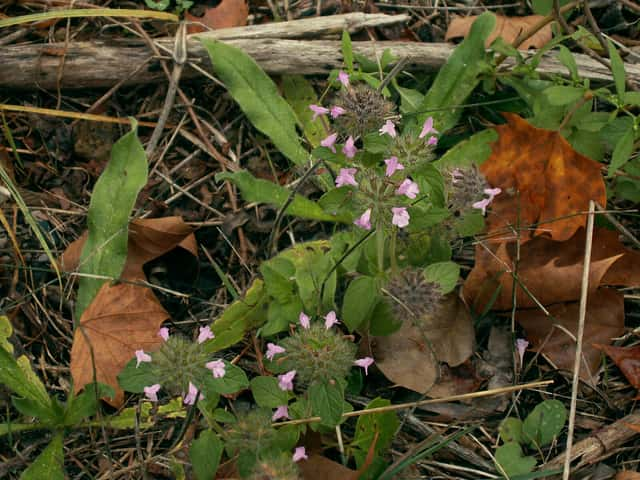
Calamint (Clinopodium)
Clinopodium
Sun-loving aromatic herbs: an open, warm spot, very well-drained soil, ideally chalky, and little water once established. Cut back dead stems at the end of winter.
Every 7 days
Bright indirect
-15° - 35°C
% - %
Categories
What is Calamint?
Calamint (Clinopodium) is a easy-care plant from the Lamiaceae family. Clinopodium is a genus in the mint family (Lamiaceae) with species in Europe, Asia, Africa and the Americas. Depending on the botanist it holds 13 to about 100 species, since it now includes plants once placed in Calamintha and Acinos. They are aromatic perennials or small subshrubs with square stem...
Calamint grows up to 60cm, spread of 50cm, watering every 7 days, -15°C – 35°C. It is not suitable for indoor environments and safe for pets.
Unlike many tropical plants, Calamint tolerates watering mistakes. Best for beginners. Unlike many popular species, Calamint is safe to keep around pets.
How to Care for Calamint?
TLDR: Calamint needs Bright indirect, watering every 7 days, and temperatures between -15-35°C with 40-70% humidity.
How Often Should You Water Calamint?
Water weekly until established. After that, only when the soil is dry a few centimetres down. Wet soil in winter is the main killer.
How Much Light Does Calamint Need?
Full sun for good flowering and strong scent. Some tolerate part shade but grow sparser.
What Is the Best Soil for Calamint?
Average to poor, well-drained soil, neutral to chalky. In pots, add coarse sand or grit to the mix.
What Pot Should You Use for Calamint?
A wide terracotta pot with drainage holes that dries quickly; avoid saucers of standing water.
What Is Calamint and Where Does It Come From?
Clinopodium is a genus in the mint family (Lamiaceae) with species in Europe, Asia, Africa and the Americas. Depending on the botanist it holds 13 to about 100 species, since it now includes plants once placed in Calamintha and Acinos. They are aromatic perennials or small subshrubs with square stems and opposite leaves that smell of mint or pennyroyal when crushed. From summer into autumn they carry small two-lipped flowers in pink, lilac, white or, in some American species, scarlet, which bees love. The most grown are lesser calamint (C. nepeta), large-flowered calamint (C. grandiflorum) and wild basil (C. vulgare).
How to Propagate Calamint?
Division
The roots are rhizomatous and divide easily.
- 1 Lift the clump in early spring
- 2 Split off pieces with roots and shoots
- 3 Replant 30 to 40 cm apart
- 4 Water well until settled
Materials needed:
Seed
Many species self-seed in the border.
- 1 Sow in autumn or spring on the surface of the mix
- 2 Press in lightly without covering much
- 3 Keep moist and bright
- 4 Pot on seedlings at the 4-leaf stage
Materials needed:
Tip cuttings
Use fresh shoots from spring or early summer.
- 1 Cut 5 to 8 cm non-flowering tips
- 2 Remove the lower leaves
- 3 Insert into moist, gritty compost
- 4 Keep in bright shade until rooted
Materials needed:
How Big Does Calamint Grow?
TLDR: Calamint can reach up to 60cm tall with Medium growth rate.
Max height
60cm
Spread
50cm
Growth rate
Medium
Plant Uses
Ornamental
Great for decoration
Aromatic
Pleasant fragrance
Medicinal
Medicinal properties
Medicinal Uses
- Leaf tea used in folk medicine for indigestion and wind (mainly C. nepeta and C. vulgare)
- In Mexico, C. macrostemum is drunk as a tea (poleo) for stomach ache and hangovers
Culinary Uses
- Leaves used as a seasoning, with a flavour between mint and oregano
- Aromatic herbal tea
Is your plant showing symptoms?
Click on the symptom to discover possible causes:
What Diseases Commonly Affect Calamint?
TLDR: Calamint is susceptible to 6 known diseases. Monitor regularly for early detection.
Powdery Mildew
Powdery mildew is a common fungal disease caused by various fungi species including Erysiphe, Podosphaera, Oïdium, and Leveillula. It affects over 10,000 plant species worldwide. The disease thrives in warm, dry climates with high humidity and appears as a distinctive white powdery coating on plant surfaces.
Root Rot
Root rot is a serious fungal disease that affects the root system of plants, causing them to decay and die. It is primarily caused by overwatering, poor drainage, or soil-borne fungi such as Pythium, Phytophthora, Rhizoctonia, and Fusarium. The disease thrives in waterlogged conditions where roots are deprived of oxygen, making them susceptible to fungal infection.
Rust
Rust is a common fungal disease caused by fungi in the order Pucciniales that affects a wide variety of plants. The disease gets its name from the characteristic orange, yellow, or reddish-brown pustules that appear on leaves, resembling metal rust. This obligate fungal parasite requires living plants to survive and can cause significant economic losses in agricultural crops.
Aphids
Aphids are small, soft-bodied, pear-shaped insects (1/16 to 1/8 inch long) that feed by sucking nutrient-rich sap from plants. They reproduce rapidly and can quickly weaken plants, causing distorted growth and transmitting plant viruses. Aphids come in various colors including green, black, red, yellow, brown, and gray. They secrete honeydew, a sticky substance that attracts ants and encourages sooty mold growth.
Fun Facts
Clinopodium comes from Greek for bed foot, after the shape of the flower clusters
The flowers are very popular with bees and butterflies
The genus now includes plants once called Calamintha and Acinos
Frequently asked questions
Are Calamintha and Clinopodium the same?
Can I cook with calamint?
Does calamint come back every year?
Why did my plant die over winter?
Compare with similar plants
| Attribute | Difficulty | Light | Watering | Pet Safe |
|---|---|---|---|---|
| Field Maple | Easy | Bright indirect | 14d | ✓ |
| Iberian Houseleek | Easy | Direct sun | 14d | ✓ |
| Silver Birch | Easy | Direct sun | 14d | ✓ |
| Common Blanketflower | Easy | Direct sun | 10d | ✓ |





