Orchidaceae
Dendrobium closterium: Miniature New Caledonian Orchid
Dendrobium closterium
A hot-to-warm growing, bright-light epiphyte that needs consistent moisture and fertilizer during active growth, mounted on a support or in a small, very well-draining pot or basket to encourage blooming.
Every 7 days
Bright indirect
15° - 30°C
60% - 80%
Categories
What is Closterium Dendrobium?
Closterium Dendrobium (Dendrobium closterium) is a hard-care plant from the Orchidaceae family. Dendrobium closterium is a miniature epiphytic (occasionally lithophytic) orchid native to New Caledonia, where it grows on small trees and rocks from sea level up to 1000 m in scrubland. It has medially swollen, cane-like stems bearing 2 to 5 leathery, elliptic leaves with unequally bilobed tips. I...
Closterium Dendrobium grows up to 15cm, spread of 15cm, watering every 7 days, 15°C – 30°C, 60–80% humidity. It is suitable for indoor environments and safe for pets.
Unlike easy-care plants, Closterium Dendrobium demands constant attention to humidity and light. Not recommended for beginners. Unlike many popular species, Closterium Dendrobium is safe to keep around pets. Without adequate drainage, root rot can develop within 14 days.
How to Care for Closterium Dendrobium?
TLDR: Closterium Dendrobium needs Bright indirect, watering every 7 days, and temperatures between 15-30°C with 60-80% humidity.
How Often Should You Water Closterium Dendrobium?
Water year-round, allowing the mount or mix to approach dryness between waterings; increase frequency during active spring-summer growth and ease off slightly afterward, since this species does not have a pronounced dry dormancy like many deciduous Dendrobiums.
How Much Light Does Closterium Dendrobium Need?
Provide bright, filtered light with some direct morning sun; avoid harsh midday sun which can scorch the leathery leaves.
What Is the Best Soil for Closterium Dendrobium?
Mount on bark or cork, or use a small pot/basket with a very open, fast-draining orchid mix (bark chips, charcoal, sphagnum); good drainage and airflow around the roots is essential.
What Pot Should You Use for Closterium Dendrobium?
Small basket, clay pot, or bark/cork mount with excellent drainage and airflow
Care Schedule
Fertilize
Every 14 days
Repot
Every 730 days
What Is Closterium Dendrobium and Where Does It Come From?
Dendrobium closterium is a miniature epiphytic (occasionally lithophytic) orchid native to New Caledonia, where it grows on small trees and rocks from sea level up to 1000 m in scrubland. It has medially swollen, cane-like stems bearing 2 to 5 leathery, elliptic leaves with unequally bilobed tips. In late spring to early summer it produces erect to arching inflorescences carrying 2 to 20 small, delicate flowers around 2-3 cm across, arising from nodes near the stem apex.
How to Propagate Closterium Dendrobium?
Clump division
Use clean, sharp tools and let cut surfaces dry briefly before mounting to reduce rot risk. Avoid dividing sections with fewer than 3 canes, as they establish poorly.
- 1 Wait until the clump has several mature canes with healthy roots
- 2 Remove the plant from its mount or pot and gently separate sections with at least 3 canes and roots each
- 3 Mount each division on bark/cork or pot in fresh, well-draining orchid mix
- 4 Keep humidity high and avoid heavy watering until new root growth is visible
Materials needed:
How Big Does Closterium Dendrobium Grow?
TLDR: Closterium Dendrobium can reach up to 15cm tall with Slow growth rate.
Max height
15cm
Spread
15cm
Growth rate
Slow
Foliage
Evergreen
Plant Uses
Ornamental
Great for decoration
Is your plant showing symptoms?
Click on the symptom to discover possible causes:
What Diseases Commonly Affect Closterium Dendrobium?
TLDR: Closterium Dendrobium is susceptible to 6 known diseases. Monitor regularly for early detection.
Root Rot
Root rot is a serious fungal disease that affects the root system of plants, causing them to decay and die. It is primarily caused by overwatering, poor drainage, or soil-borne fungi such as Pythium, Phytophthora, Rhizoctonia, and Fusarium. The disease thrives in waterlogged conditions where roots are deprived of oxygen, making them susceptible to fungal infection.
Mealybugs
Mealybugs are small, soft-bodied insects covered with a white, waxy, cottony material. They are common pests of houseplants and outdoor plants in mild climates. These sap-sucking insects feed on plant tissue, causing damage, stunted growth, and can lead to plant death if left untreated. They produce sticky honeydew which attracts sooty mold.
Scale Insects
Scale insects are small sap-sucking pests that appear as brown, shell-like bumps on plant stems and leaves. There are over 25 species, divided into armored (hard) and unarmored (soft) scales. They feed by piercing plant tissue and extracting sap, which weakens the plant and can lead to yellowing, stunted growth, and even death if left untreated. They also excrete honeydew, which attracts ants and promotes sooty mold growth.
Spider Mites
Spider mites are tiny arachnids (less than 1/20 inch long) related to spiders and ticks that feed on plant sap. They thrive in hot, dry conditions and can cause significant damage to ornamental and vegetable plants. During severe infestations, crop losses can reach 14% or higher as these pests disrupt vital plant processes including photosynthesis, carbon dioxide absorption, and transpiration.
Fun Facts
Native only to New Caledonia, where it grows as an epiphyte or lithophyte in scrubland up to 1000 m elevation.
Was first described by botanist Heinrich Gustav Reichenbach in 1876.
Each inflorescence can carry up to 20 small flowers at once despite the plant's miniature size.
Frequently asked questions
Is Dendrobium closterium easy to grow indoors?
Does Dendrobium closterium need a dry winter rest?
How should I mount or pot this orchid?
Compare with similar plants
| Attribute | Difficulty | Light | Watering | Pet Safe |
|---|---|---|---|---|
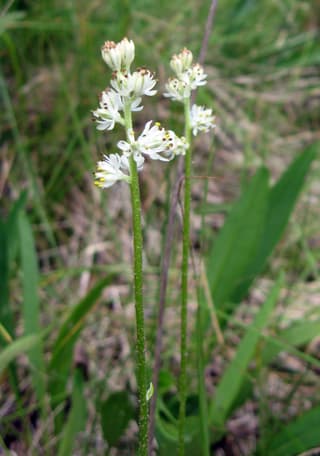
| Sticky false asphodel | Hard | Bright indirect | 1d | ✓ |
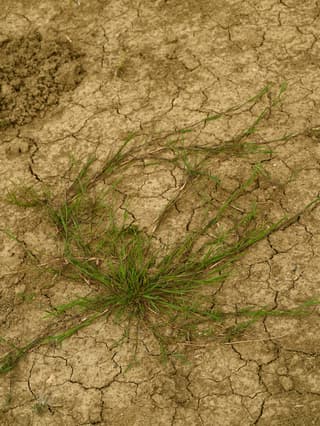
| Creeping bentgrass | Hard | Direct sun | 3d | ✓ |
| Bulbous Adder's-tongue | Hard | Partial shade | 4d | ✓ |
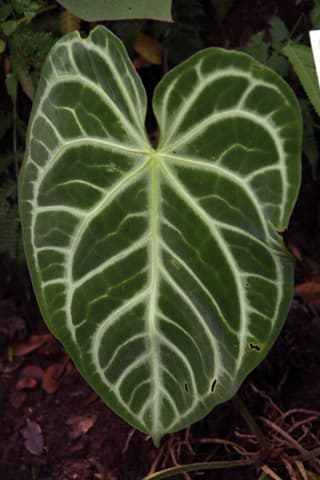
| Crystal Anthurium | Hard | Partial shade | 7d | ⚠️ |