Aizoaceae
Cone Plant: Full Sun Plant
Conophytum angelicae subsp. tetragonum
This dwarf succulent follows an inverted, winter-growth rhythm: it actively grows from autumn to spring, requiring water and light during this period, while entering full dormancy in summer when it should hardly be watered at all. It is highly light-demanding, requires mineral-based, well-draining soil, and is extremely sensitive to poorly timed watering—overwatering during dormancy can cause the body to split or rot. It is a difficult plant to maintain, recommended primarily for experienced collectors.
Every 14 days
Direct sun
10° - 32°C
20% - 40%
Categories
What is Cone Plant?
Cone Plant (Conophytum angelicae subsp. tetragonum) is a hard-care plant from the Aizoaceae family. Conophytum angelicae subsp. tetragonum is a tiny, cushion-forming or loose-clumping mesemb succulent from the Aizoaceae family. The tetragonum subspecies is characterized by its square (tetragonal) cross-section, with body pairs measuring only 12-18 mm in diameter, featuring a smooth or slightly fac...
Cone Plant grows up to 4cm, spread of 10cm, watering every 14 days, 10°C – 32°C, 20–40% humidity. It is suitable for indoor environments and safe for pets.
Unlike easy-care plants, Cone Plant demands constant attention to humidity and light. Not recommended for beginners. Unlike many popular species, Cone Plant is safe to keep around pets. Without adequate drainage, root rot can develop within 28 days.
How to Care for Cone Plant?
TLDR: Cone Plant needs Direct sun, watering every 14 days, and temperatures between 10-32°C with 20-40% humidity.
How Often Should You Water Cone Plant?
Only water during the growth period (autumn to spring) and always wait for the soil to dry out completely before watering again—roughly every two weeks. In summer, during the dormancy period, stop watering almost entirely, providing only an occasional light misting if the plant shrivels excessively. Use soft water or rainwater if possible, and avoid wetting the plant body directly.
How Much Light Does Cone Plant Need?
Provide as much direct sunlight as possible during the growth period (autumn-spring); a south-facing windowsill or greenhouse is ideal. During summer dormancy, provide light shading to prevent overheating and sunburn.
What Is the Best Soil for Cone Plant?
Use a very well-draining, mineral-based soil mix with low organic content (e.g., a mixture of coarse quartz sand, pumice, or fine and coarse crushed granite). The pot must have drainage holes.
What Pot Should You Use for Cone Plant?
Choose a shallow, well-ventilated clay or terracotta pot with drainage holes, as the root system is shallow and the porous material helps prevent excess soil moisture.
Care Schedule
Fertilize
Every 60 days
Rotate
Every 30 days
Repot
Every 1095 days
What Is Cone Plant and Where Does It Come From?
Conophytum angelicae subsp. tetragonum is a tiny, cushion-forming or loose-clumping mesemb succulent from the Aizoaceae family. The tetragonum subspecies is characterized by its square (tetragonal) cross-section, with body pairs measuring only 12-18 mm in diameter, featuring a smooth or slightly faceted, light beige-greyish-green epidermis. It is native to the rocky desert scrub of northwestern South Africa, specifically the Richtersveld and Namaqualand (ranging from East Richtersveld to Concordia, Pofader, and Warmbad in Bushmanland). A typical winter-growing 'living stone,' it enters dormancy in summer, during which the old leaf pair dries out into a papery sheath to protect the new pair developing beneath. In autumn, it produces small, fragrant, nocturnal flowers with bronze, pale yellow, or purplish-red petals.
How to Propagate Cone Plant?
Sowing seeds
Treatment with a fungicide can reduce the risk of damping-off during the seedling stage.
- 1 Sow thinly on the surface of a moist, mineral seedbed in autumn.
- 2 Cover with a thin layer of fine quartz sand or crushed granite.
- 3 Keep consistently moist under a humidity cover until germination occurs.
- 4 After germination, gradually acclimate to direct light and reduce watering frequency.
Materials needed:
Division of clumps
Division is the fastest and most reliable method, as Conophytum naturally forms clumps.
- 1 Select a well-developed clump consisting of multiple heads (body pairs) at the start of the growth season.
- 2 Carefully separate the rooted offsets at the base of the plant.
- 3 Allow the cut surfaces to callous for 1-2 days in a dry, shaded spot.
- 4 Plant in dry, mineral soil and only begin cautious watering after a few days.
Materials needed:
How Big Does Cone Plant Grow?
TLDR: Cone Plant can reach up to 4cm tall with Slow growth rate.
Max height
4cm
Spread
10cm
Growth rate
Slow
Foliage
Evergreen
Plant Uses
Ornamental
Great for decoration
Is your plant showing symptoms?
Click on the symptom to discover possible causes:
What Diseases Commonly Affect Cone Plant?
TLDR: Cone Plant is susceptible to 7 known diseases. Monitor regularly for early detection.
Overwatering
Overwatering occurs when plants receive too much water, depriving roots of oxygen and causing root rot. This environmental stress is one of the most common causes of houseplant death, as waterlogged soil prevents roots from breathing and functioning properly.
Root Rot
Root rot is a serious fungal disease that affects the root system of plants, causing them to decay and die. It is primarily caused by overwatering, poor drainage, or soil-borne fungi such as Pythium, Phytophthora, Rhizoctonia, and Fusarium. The disease thrives in waterlogged conditions where roots are deprived of oxygen, making them susceptible to fungal infection.
Mealybugs
Mealybugs are small, soft-bodied insects covered with a white, waxy, cottony material. They are common pests of houseplants and outdoor plants in mild climates. These sap-sucking insects feed on plant tissue, causing damage, stunted growth, and can lead to plant death if left untreated. They produce sticky honeydew which attracts sooty mold.
Spider Mites
Spider mites are tiny arachnids (less than 1/20 inch long) related to spiders and ticks that feed on plant sap. They thrive in hot, dry conditions and can cause significant damage to ornamental and vegetable plants. During severe infestations, crop losses can reach 14% or higher as these pests disrupt vital plant processes including photosynthesis, carbon dioxide absorption, and transpiration.
Meaning & Symbolism
A symbol of survival, adaptation, and camouflage: with its stone-like body, it blends perfectly into its desert habitat, remaining hidden from predators to survive the drought.
Compare with similar plants
| Attribute | Difficulty | Light | Watering | Pet Safe |
|---|---|---|---|---|
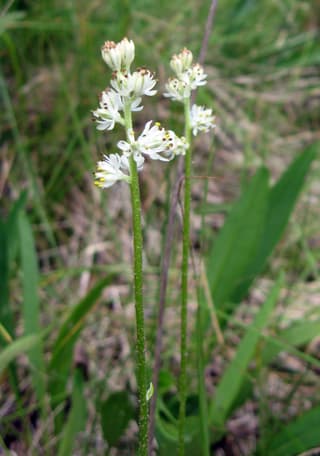
| Sticky false asphodel | Hard | Bright indirect | 1d | ✓ |
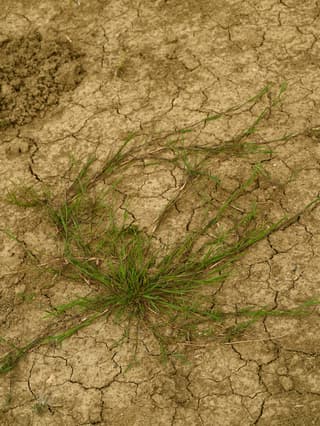
| Creeping bentgrass | Hard | Direct sun | 3d | ✓ |
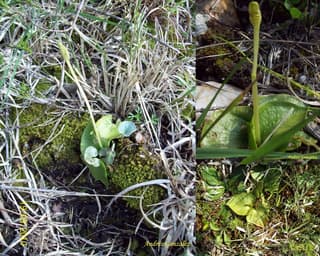
| Bulbous Adder's-tongue | Hard | Partial shade | 4d | ✓ |
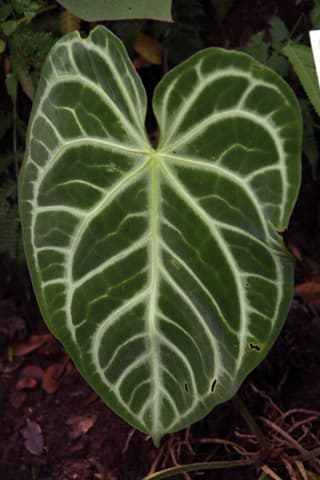
| Crystal Anthurium | Hard | Partial shade | 7d | ⚠️ |
Choose & Compare
Sources & References
- Conophytum angelicae subsp. tetragonum - Plants of the World Online (Kew)
- Conophytum angelicae - World Flora Online
- Conophytum angelicae ssp. tetragonum - Conophytum, Lithops & Co
- Conophytum - Wikipedia
- Conophytum truncatum growing guide - PlantZAfrica (SANBI)
- Conophytum angelicae subsp. tetragonum - iNaturalist
- Bugs on Conophytum calculus - Greg
- Insect pests of cacti and succulents - Missouri Botanical Garden
- Is Conophytum toxic to cats & dogs? - Growli