Rubiaceae
Bead plant: Ground Cover Plant
Nertera granadensis
It thrives in a cool, humid, and bright location between 8–20°C (46–68°F), protected from direct sunlight. The soil should be kept consistently slightly moist, avoiding both drying out and waterlogging, as both the roots and berries are sensitive to rot.
Every 3 days
Bright indirect
8° - 20°C
55% - 90%
Categories
What is Bead plant?
Bead plant (Nertera granadensis) is a hard-care plant from the Rubiaceae family. The bead plant (Nertera granadensis) is a low-growing, carpet-forming perennial from the Rubiaceae family, native to the mountainous, cool-climate regions of South America, New Zealand, and the Pacific. Its tiny, round leaves form a dense, moss-like cushion, producing pale greenish-white flowers in...
Bead plant grows up to 8cm, spread of 20cm, watering every 3 days, 8°C – 20°C, 55–90% humidity. It is suitable for indoor environments and not safe for pets.
Unlike easy-care plants, Bead plant demands constant attention to humidity and light. Not recommended for beginners. Without precautions, ingestion can cause irritation in pets. Keep out of reach of cats and dogs. Without adequate drainage, root rot can develop within 7 days.
How to Care for Bead plant?
TLDR: Bead plant needs Bright indirect, watering every 3 days, and temperatures between 8-20°C with 55-90% humidity.
How Often Should You Water Bead plant?
Water regularly to keep the soil consistently moist but never soggy—it is best to water from below using a saucer to avoid wetting the leaves and berries. Reduce watering frequency from fall to spring.
How Much Light Does Bead plant Need?
Requires plenty of indirect light; an east or west-facing window is ideal. It must be protected from harsh midday sun, which can scorch the leaves and berries.
What Is the Best Soil for Bead plant?
A loose, well-aerated, slightly acidic (pH 5.5–6.5) soil mix is required—a combination of peat, perlite, and river sand is perfect for proper drainage.
What Pot Should You Use for Bead plant?
Choose a flat, shallow bowl-style pot, as the plant's root system is shallow and spreads horizontally rather than deeply.
Care Schedule
Fertilize
Every 30 days
Misting
Every 3 days
Rotate
Every 14 days
Repot
Every 730 days
What Is Bead plant and Where Does It Come From?
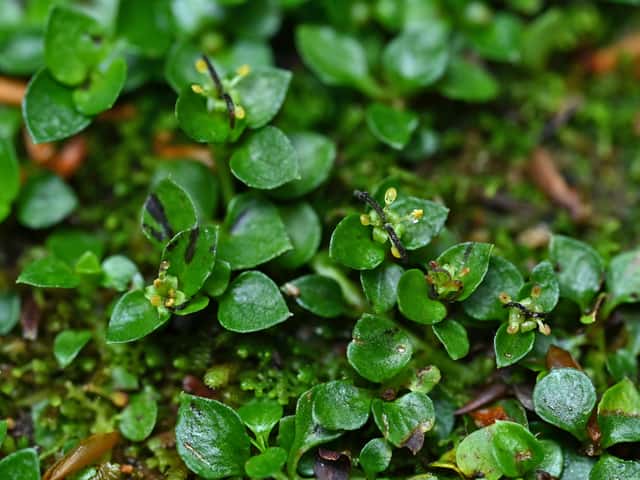
The bead plant (Nertera granadensis) is a low-growing, carpet-forming perennial from the Rubiaceae family, native to the mountainous, cool-climate regions of South America, New Zealand, and the Pacific. Its tiny, round leaves form a dense, moss-like cushion, producing pale greenish-white flowers in spring, which are replaced by spectacular, coral-colored spherical berries by late summer—giving the plant its name.
How to Propagate Bead plant?
Division
- Ensuring high humidity after separation will speed up rooting.
- Avoid direct sunlight during the first few weeks after repotting.
- 1 Timing
Choose the spring season, or after the berries have fallen and the plant enters its dormant phase.
- 2 Removal
Carefully lift the entire root mass from the pot, being mindful of the shallow roots.
- 3 Separation
Separate the root mass by hand or with a sharp, sterilized knife into several viable sections.
- 4 Planting
Plant the individual sections into fresh peat-perlite mix in shallow pots, then water thoroughly.
Materials needed:
How Big Does Bead plant Grow?
TLDR: Bead plant can reach up to 8cm tall with Slow growth rate.
Max height
8cm
Spread
20cm
Growth rate
Slow
Foliage
Evergreen
Warning: Toxic Plant
This plant can be toxic if ingested. Keep out of reach of:
Plant Uses
Ornamental
Great for decoration
Ground Cover
Soil coverage
Is your plant showing symptoms?
Click on the symptom to discover possible causes:
What Diseases Commonly Affect Bead plant?
TLDR: Bead plant is susceptible to 5 known diseases. Monitor regularly for early detection.
Root Rot
Root rot is a serious fungal disease that affects the root system of plants, causing them to decay and die. It is primarily caused by overwatering, poor drainage, or soil-borne fungi such as Pythium, Phytophthora, Rhizoctonia, and Fusarium. The disease thrives in waterlogged conditions where roots are deprived of oxygen, making them susceptible to fungal infection.
Aphids
Aphids are small, soft-bodied, pear-shaped insects (1/16 to 1/8 inch long) that feed by sucking nutrient-rich sap from plants. They reproduce rapidly and can quickly weaken plants, causing distorted growth and transmitting plant viruses. Aphids come in various colors including green, black, red, yellow, brown, and gray. They secrete honeydew, a sticky substance that attracts ants and encourages sooty mold growth.
Spider Mites
Spider mites are tiny arachnids (less than 1/20 inch long) related to spiders and ticks that feed on plant sap. They thrive in hot, dry conditions and can cause significant damage to ornamental and vegetable plants. During severe infestations, crop losses can reach 14% or higher as these pests disrupt vital plant processes including photosynthesis, carbon dioxide absorption, and transpiration.
Scale Insects
Scale insects are small sap-sucking pests that appear as brown, shell-like bumps on plant stems and leaves. There are over 25 species, divided into armored (hard) and unarmored (soft) scales. They feed by piercing plant tissue and extracting sap, which weakens the plant and can lead to yellowing, stunted growth, and even death if left untreated. They also excrete honeydew, which attracts ants and promotes sooty mold growth.
Meaning & Symbolism
Due to its vibrant, round, coral-colored berries, it is traditionally a popular autumn-winter ornamental plant symbolizing abundance, cheerfulness, and a festive atmosphere.
Compare with similar plants
| Attribute | Difficulty | Light | Watering | Pet Safe |
|---|---|---|---|---|
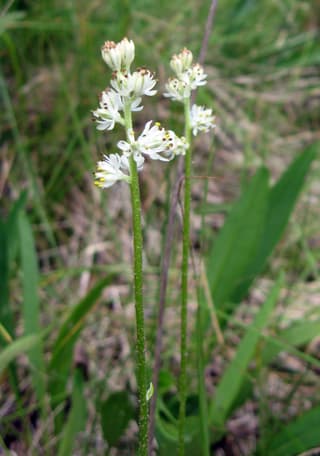
| Sticky false asphodel | Hard | Bright indirect | 1d | ✓ |
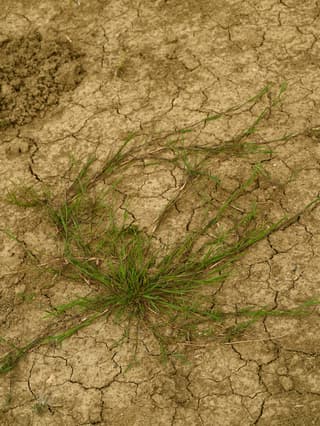
| Creeping bentgrass | Hard | Direct sun | 3d | ✓ |
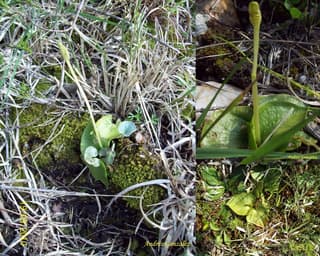
| Bulbous Adder's-tongue | Hard | Partial shade | 4d | ✓ |
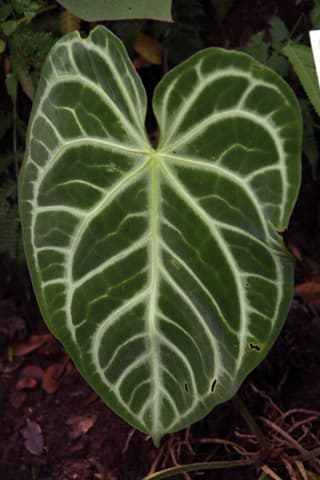
| Crystal Anthurium | Hard | Partial shade | 7d | ⚠️ |