Primulaceae
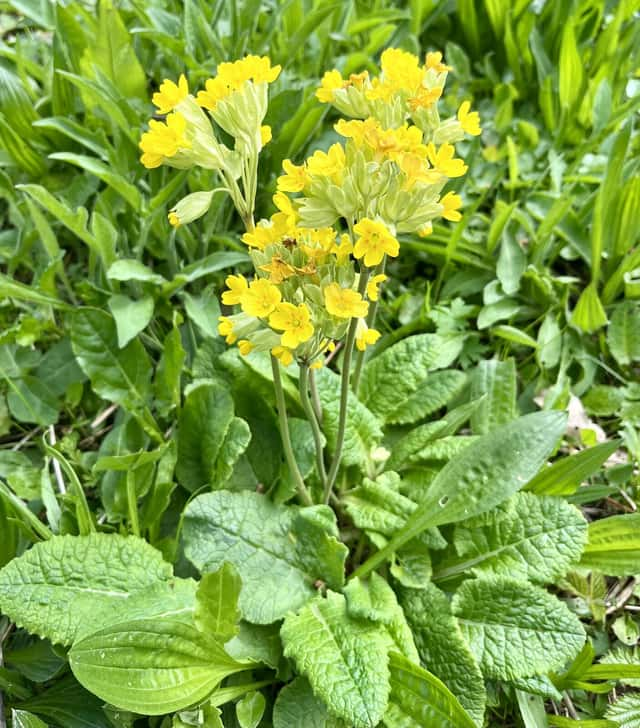
Cowslip (Primula veris)
Primula veris
A temperate garden plant that is very cold hardy (to about -20 °C). It likes sun or part shade and fertile soil that is moist but well-drained; it copes with clay and chalk. Divide clumps every two to three years to keep it flowering well. It tends to struggle in hot climates.
Every 5 days
Bright indirect
-20° - °C
% - %
Categories
What is Cowslip?
Cowslip (Primula veris) is a easy-care plant from the Primulaceae family. Primula veris is a wild primrose from Europe and western Asia, common in meadows, pastures, dunes and clifftops. It forms a rosette of wrinkled leaves 5-15 cm long and in spring sends up stems with 10 to 30 deep yellow, bell-shaped, nodding, fragrant flowers with orange spots inside. The plant is ab...
Cowslip grows up to 25cm, spread of 25cm, watering every 5 days. It is not suitable for indoor environments and not safe for pets.
Unlike many tropical plants, Cowslip tolerates watering mistakes. Best for beginners. Without precautions, ingestion can cause irritation in pets. Keep out of reach of cats and dogs.
How to Care for Cowslip?
TLDR: Cowslip needs Bright indirect, watering every 5 days, and temperatures between -20-30°C with 40-70% humidity.
How Often Should You Water Cowslip?
Keep the soil lightly moist, watering every 5 days in dry weather, especially in spring. Avoid waterlogging in winter.
How Much Light Does Cowslip Need?
Full sun or part shade. In the wild it grows in open ground; in warmer areas, give it morning sun and afternoon shade.
What Is the Best Soil for Cowslip?
Fertile, humus-rich soil that is moist but well-drained. It accepts heavy clay and chalk, from mildly acid to alkaline.
What Pot Should You Use for Cowslip?
Good in borders, wildflower lawns and rock gardens. In a container, use a wide pot with drainage holes and compost-rich mix, in a cool spot.
What Is Cowslip and Where Does It Come From?
Primula veris is a wild primrose from Europe and western Asia, common in meadows, pastures, dunes and clifftops. It forms a rosette of wrinkled leaves 5-15 cm long and in spring sends up stems with 10 to 30 deep yellow, bell-shaped, nodding, fragrant flowers with orange spots inside. The plant is about 25 cm tall and wide. It looks like the oxlip (Primula elatior), but its flowers are smaller, darker and more closed. The name veris means "of spring".
How to Propagate Cowslip?
Division
Dividing every two or three years keeps the plant vigorous and flowering.
- 1 After flowering or in fall, lift the clump carefully
- 2 Split it into pieces with leaves and roots
- 3 Replant at the same depth in soil with compost
- 4 Water well and keep moist until established
Materials needed:
Seed
Heat above 20 °C holds back germination. Fresh seed sprouts best.
- 1 Sow as soon as the seed ripens in summer, in a tray of moist mix
- 2 Cover lightly and keep in a cool, sheltered spot
- 3 Sow stored seed in early spring
- 4 Prick seedlings out into small pots and plant out in summer
Materials needed:
How Big Does Cowslip Grow?
TLDR: Cowslip can reach up to 25cm tall with Medium growth rate.
Max height
25cm
Spread
25cm
Growth rate
Medium
Foliage
Semi-evergreen
Warning: Toxic Plant
This plant can be toxic if ingested. Keep out of reach of:
Plant Uses
Ornamental
Great for decoration
Edible
Can be consumed
Medicinal
Medicinal properties
Medicinal Uses
- Roots and flowers are used in European herbal medicine as a cough expectorant because of their saponins
Culinary Uses
- Young leaves raw in salads or cooked in soups
- Flowers in salads, preserves and traditional English cowslip wine
- Fresh or dried leaves as a tea
Is your plant showing symptoms?
Click on the symptom to discover possible causes:
What Diseases Commonly Affect Cowslip?
TLDR: Cowslip is susceptible to 7 known diseases. Monitor regularly for early detection.
Slugs and Snails
Slugs and snails are mollusks that feed on plant tissue, causing irregular holes in leaves and damage to young seedlings. They are most active at night and in moist conditions, leaving characteristic silvery slime trails. These pests can quickly devastate gardens, especially during wet seasons.
Curculionidae
Curculionidae (weevils) are small beetles that feed on plants. Adults chew leaf margins, leaving crescent-shaped notches, primarily at night. The larvae live in the substrate and consume roots, causing decline, yellowing, and wilting even when the substrate is moist, and in severe cases, plant death. They frequently affect ornamentals and garden plants such as strawberries, citrus, roses, hydrangeas, azaleas, blueberries, begonias, and many potted plants.
Aphids
Aphids are small, soft-bodied, pear-shaped insects (1/16 to 1/8 inch long) that feed by sucking nutrient-rich sap from plants. They reproduce rapidly and can quickly weaken plants, causing distorted growth and transmitting plant viruses. Aphids come in various colors including green, black, red, yellow, brown, and gray. They secrete honeydew, a sticky substance that attracts ants and encourages sooty mold growth.
Gray Mold (Botrytis Blight)
Gray mold, caused by the fungus Botrytis cinerea, is a widespread necrotrophic pathogen affecting over 1,400 plant species. It thrives in cool, humid conditions and attacks weakened or aging plant tissues, causing soft rot and characteristic gray fuzzy growth.
Meaning & Symbolism
In English folklore the cowslip is linked to St Peter: its clustered flowers were said to be the keys of heaven he dropped, hence old names like "key of heaven" and "herb Peter".
Fun Facts
Albrecht Dürer painted a tuft of cowslips in 1526.
The root has a scent reminiscent of wintergreen (methyl salicylate).
It holds the Royal Horticultural Society's Award of Garden Merit.
Frequently asked questions
What is eating the leaves?
How is it different from oxlip?
Are the flowers edible?
Is it toxic to pets?
Compare with similar plants
| Attribute | Difficulty | Light | Watering | Pet Safe |
|---|---|---|---|---|
| Field Maple | Easy | Bright indirect | 14d | ✓ |
| Iberian Houseleek | Easy | Direct sun | 14d | ✓ |
| Silver Birch | Easy | Direct sun | 14d | ✓ |
| Common Blanketflower | Easy | Direct sun | 10d | ✓ |





