Urticaceae
Creeping Charlie (Pilea nummulariifolia): Complete Plant Care Guide
Pilea nummulariifolia
Easy to care for and fast growing. Thrives in bright indirect light, well-draining moist soil, and warm humid conditions. Keep above 10°C (50°F). Great for hanging baskets.
Every 5 days
Partial shade
10° - 30°C
40% - 70%
Categories
What is Creeping Charlie?
Creeping Charlie (Pilea nummulariifolia) is a easy-care plant from the Urticaceae family. Creeping Charlie (Pilea nummulariifolia) is a fast-growing, trailing perennial from the Urticaceae family, native to the Caribbean and tropical South America from Colombia to Peru. Its small, rounded, textured leaves grow on creeping stems that root at the nodes, making it an excellent choice for ha...
Creeping Charlie grows up to 45cm, spread of 60cm, watering every 5 days, 10°C – 30°C, 40–70% humidity. It is suitable for indoor environments and safe for pets.
Unlike many tropical plants, Creeping Charlie tolerates watering mistakes. Best for beginners. Unlike many popular species, Creeping Charlie is safe to keep around pets. Without adequate drainage, root rot can develop within 10 days.
How to Care for Creeping Charlie?
TLDR: Creeping Charlie needs Partial shade, watering every 5 days, and temperatures between 10-30°C with 40-70% humidity.
How Often Should You Water Creeping Charlie?
Water when the top inch of soil feels dry, approximately every 4-6 days. This plant is sensitive to overwatering — ensure the pot has drainage holes. In summer heat, check more frequently.
How Much Light Does Creeping Charlie Need?
Provide bright indirect light or partial shade. Avoid intense direct sunlight which can scorch the delicate leaves. An east or north-facing window is ideal indoors.
What Is the Best Soil for Creeping Charlie?
Use a well-draining mix of potting soil, perlite, and coco coir. Soil pH should be between 6.0 and 7.5. Avoid heavy, compacted, or water-retentive soils.
What Pot Should You Use for Creeping Charlie?
Hanging baskets or terracotta pots with drainage holes work best. The trailing habit is best displayed in elevated containers.
Care Schedule
Fertilize
Every 30 days
Misting
Every 3 days
Rotate
Every 7 days
Repot
Every 365 days
What Is Creeping Charlie and Where Does It Come From?
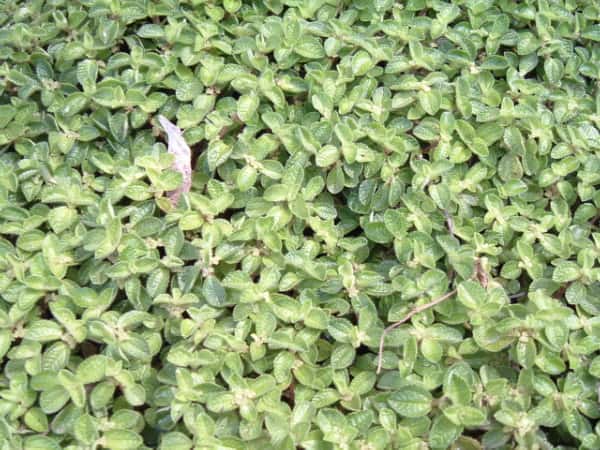
Creeping Charlie (Pilea nummulariifolia) is a fast-growing, trailing perennial from the Urticaceae family, native to the Caribbean and tropical South America from Colombia to Peru. Its small, rounded, textured leaves grow on creeping stems that root at the nodes, making it an excellent choice for hanging baskets or as ground cover in warm climates.
How Big Does Creeping Charlie Grow?
TLDR: Creeping Charlie can reach up to 45cm tall with Fast growth rate.
Max height
45cm
Spread
60cm
Growth rate
Fast
Foliage
Evergreen
Plant Uses
Ornamental
Great for decoration
Ground Cover
Soil coverage
Is your plant showing symptoms?
Click on the symptom to discover possible causes:
What Diseases Commonly Affect Creeping Charlie?
TLDR: Creeping Charlie is susceptible to 15 known diseases. Monitor regularly for early detection.
Root Rot
Root rot is a serious fungal disease that affects the root system of plants, causing them to decay and die. It is primarily caused by overwatering, poor drainage, or soil-borne fungi such as Pythium, Phytophthora, Rhizoctonia, and Fusarium. The disease thrives in waterlogged conditions where roots are deprived of oxygen, making them susceptible to fungal infection.
Overwatering
Overwatering occurs when plants receive too much water, depriving roots of oxygen and causing root rot. This environmental stress is one of the most common causes of houseplant death, as waterlogged soil prevents roots from breathing and functioning properly.
Spider Mites
Spider mites are tiny arachnids (less than 1/20 inch long) related to spiders and ticks that feed on plant sap. They thrive in hot, dry conditions and can cause significant damage to ornamental and vegetable plants. During severe infestations, crop losses can reach 14% or higher as these pests disrupt vital plant processes including photosynthesis, carbon dioxide absorption, and transpiration.
Aphids
Aphids are small, soft-bodied, pear-shaped insects (1/16 to 1/8 inch long) that feed by sucking nutrient-rich sap from plants. They reproduce rapidly and can quickly weaken plants, causing distorted growth and transmitting plant viruses. Aphids come in various colors including green, black, red, yellow, brown, and gray. They secrete honeydew, a sticky substance that attracts ants and encourages sooty mold growth.
Meaning & Symbolism
Prosperidade e boa sorte, simbolizando abundância financeira pelo nome popular dinheiro-em-penca.
Fun Facts
Creeping Charlie roots at the stem nodes wherever they touch soil — a natural propagation strategy in the wild.
Despite the shared common name, this Pilea is completely unrelated to the garden weed Glechoma hederacea, also called Creeping Charlie.
The ASPCA confirms Pilea nummulariifolia is non-toxic to cats, dogs, and horses.
Frequently asked questions
How often should I water Creeping Charlie?
Is Creeping Charlie toxic to pets?
How do I propagate Creeping Charlie?
Compare with similar plants
| Attribute | Difficulty | Light | Watering | Pet Safe |
|---|---|---|---|---|
| Field Maple | Easy | Bright indirect | 14d | ✓ |
| Silver Birch | Easy | Direct sun | 14d | ✓ |
| Common Blanketflower | Easy | Direct sun | 10d | ✓ |
| Cushion Bush | Easy | Direct sun | 14d | ✓ |





