Polygonaceae
Creeping Wire Vine: Ground Cover Plant
Muehlenbeckia axillaris
Plant in full sun to light shade with well-drained soil; it tolerates poor, sandy, and rocky ground once established. Water regularly while young and during dry spells, but let the surface dry slightly between waterings since soggy soil invites root rot. Established plants are quite drought tolerant. Minimal feeding and pruning are needed - just trim to control spread after flowering.
Every 10 days
Bright indirect
-15° - 32°C
30% - 60%
Categories
What is Creeping Wire Vine?
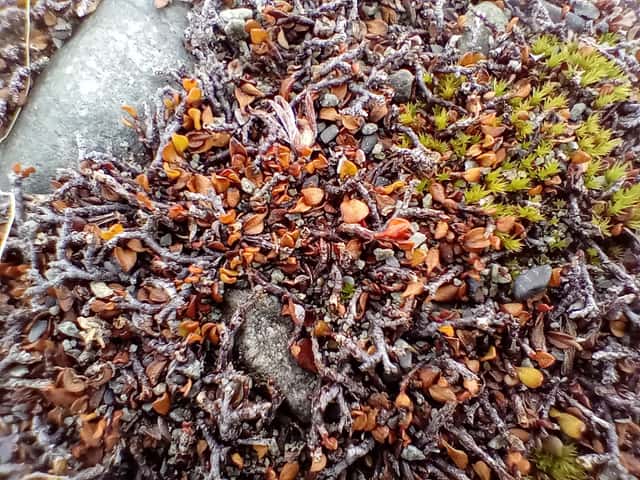
Creeping Wire Vine (Muehlenbeckia axillaris) is a easy-care plant from the Polygonaceae family. Muehlenbeckia axillaris, known as creeping wire vine, is a low, mat-forming evergreen-to-semi-evergreen shrub native to New Zealand and parts of southeastern Australia (Tasmania, New South Wales, Victoria). Its wiry, red-brown stems spread along the ground, studded with tiny, glossy, rounded leaves...
Creeping Wire Vine grows up to 30cm, spread of 100cm, watering every 10 days, -15°C – 32°C, 30–60% humidity. It is suitable for indoor environments and safe for pets.
Unlike many tropical plants, Creeping Wire Vine tolerates watering mistakes. Best for beginners. Unlike many popular species, Creeping Wire Vine is safe to keep around pets. Without adequate drainage, root rot can develop within 20 days.
How to Care for Creeping Wire Vine?
TLDR: Creeping Wire Vine needs Bright indirect, watering every 10 days, and temperatures between -15-32°C with 30-60% humidity.
How Often Should You Water Creeping Wire Vine?
Water when the top few centimetres of soil dry out; reduce watering in winter. Good drainage is essential, as constantly wet soil leads to root and stem rot.
How Much Light Does Creeping Wire Vine Need?
Give it full sun to light shade outdoors. Indoors or in containers, an east- or west-facing window works well; keep it back from intense south-facing summer sun to avoid leaf scorch.
What Is the Best Soil for Creeping Wire Vine?
Use a light, well-drained mix rich in organic matter, ideally with slightly acidic to neutral pH (5.8-7.0). Adding coarse sand or perlite improves drainage in heavier soils.
What Pot Should You Use for Creeping Wire Vine?
A wide, shallow terracotta or unglazed ceramic pot with generous drainage holes suits its spreading, shallow-rooted habit and helps excess moisture evaporate.
What Is Creeping Wire Vine and Where Does It Come From?
Muehlenbeckia axillaris, known as creeping wire vine, is a low, mat-forming evergreen-to-semi-evergreen shrub native to New Zealand and parts of southeastern Australia (Tasmania, New South Wales, Victoria). Its wiry, red-brown stems spread along the ground, studded with tiny, glossy, rounded leaves less than 1 cm across. Small yellowish-white flowers appear in the leaf axils in summer, followed by small black, shiny fruits in late summer to fall. Valued as a tough, drought-tolerant ground cover for rockeries, pathways, and container topiary, it forms dense mats up to 1 metre wide while staying only around 10-30 cm tall.
How to Propagate Creeping Wire Vine?
Semi-ripe stem cuttings
Use a cold frame or covered tray to maintain humidity; keep the substrate lightly moist but never waterlogged.
- 1 Take a 5-8 cm semi-ripe cutting with a heel in late summer or early autumn
- 2 Remove lower leaves and dip the cut end in rooting hormone
- 3 Insert into a free-draining mix of sand and potting soil
- 4 Keep in a sheltered, humid spot out of direct sun until roots form
Materials needed:
Division of rooted mats
Choose sections with visible roots for the fastest establishment.
- 1 Lift a section of the mat where stems have rooted at nodes
- 2 Cut it away from the parent plant with a sharp knife
- 3 Replant immediately in well-drained soil
- 4 Water well until established
Materials needed:
Seed sowing
Germination can be slow and uneven; cuttings are more reliable.
- 1 Sow seeds in trays under glass in spring
- 2 Keep the compost moist but not soggy
- 3 Transplant seedlings once large enough to handle
Materials needed:
How Big Does Creeping Wire Vine Grow?
TLDR: Creeping Wire Vine can reach up to 30cm tall with Fast growth rate.
Max height
30cm
Spread
1.0m
Growth rate
Fast
Foliage
Semi-evergreen
Plant Uses
Ornamental
Great for decoration
Ground Cover
Soil coverage
Edible
Can be consumed
Culinary Uses
- Small ripe berries can be eaten raw or cooked, though rarely harvested due to their tiny size
Is your plant showing symptoms?
Click on the symptom to discover possible causes:
What Diseases Commonly Affect Creeping Wire Vine?
TLDR: Creeping Wire Vine is susceptible to 3 known diseases. Monitor regularly for early detection.
Aphids
Aphids are small, soft-bodied, pear-shaped insects (1/16 to 1/8 inch long) that feed by sucking nutrient-rich sap from plants. They reproduce rapidly and can quickly weaken plants, causing distorted growth and transmitting plant viruses. Aphids come in various colors including green, black, red, yellow, brown, and gray. They secrete honeydew, a sticky substance that attracts ants and encourages sooty mold growth.
Root Rot
Root rot is a serious fungal disease that affects the root system of plants, causing them to decay and die. It is primarily caused by overwatering, poor drainage, or soil-borne fungi such as Pythium, Phytophthora, Rhizoctonia, and Fusarium. The disease thrives in waterlogged conditions where roots are deprived of oxygen, making them susceptible to fungal infection.
Overwatering
Overwatering occurs when plants receive too much water, depriving roots of oxygen and causing root rot. This environmental stress is one of the most common causes of houseplant death, as waterlogged soil prevents roots from breathing and functioning properly.
Meaning & Symbolism
As a resilient New Zealand native that thrives on rocky, exposed ground, creeping wire vine is often associated with endurance, humility, and quiet persistence.
Compare with similar plants
| Attribute | Difficulty | Light | Watering | Pet Safe |
|---|---|---|---|---|
| Field Maple | Easy | Bright indirect | 14d | ✓ |
| Silver Birch | Easy | Direct sun | 14d | ✓ |
| Common Blanketflower | Easy | Direct sun | 10d | ✓ |
| Cushion Bush | Easy | Direct sun | 14d | ✓ |
Choose & Compare
Sources & References
- Muehlenbeckia axillaris - Wikipedia
- Muehlenbeckia axillaris - Practical Plants
- How to Grow and Care for Muehlenbeckia - Gardeners World
- How To Care For The Plant Muehlenbeckia Axillaris - Garden Guides
- Muehlenbeckia Axillaris Care Guide
- Muehlenbeckia axillaris - Auckland Botanic Gardens
- Muehlenbeckia axillaris - Enredadera de alambre





