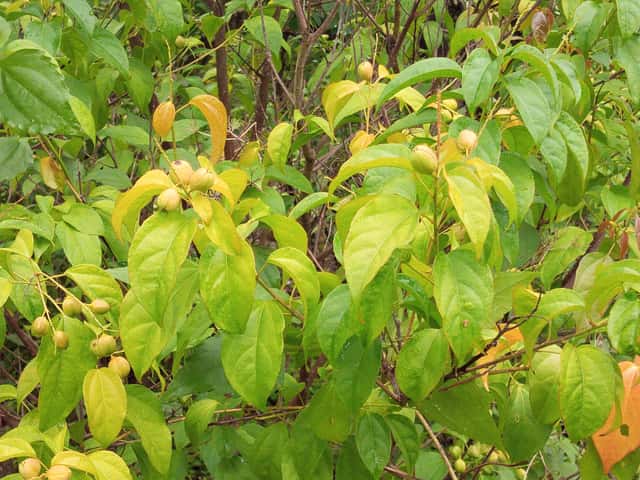
Euphorbiaceae
Croton (Euphorbiaceae Genus)
Croton
A robust tropical genus thriving in bright light. Water moderately, allowing the topsoil to dry slightly between waterings. Maintain warm temperatures and high humidity. Fertilize monthly during the growing season.
Every 8 days
Bright indirect
16° - 29°C
60% - 80%
Categories
What is Croton?
Croton (Croton) is a medium-care plant from the Euphorbiaceae family. Croton is one of the largest genera in the spurge family Euphorbiaceae, comprising over 1,100 species of herbs, shrubs, and trees found across tropical and subtropical regions worldwide. The genus displays exceptional diversity in form, size, and habitat — from small ground-cover herbs in dry savann...
Croton grows up to 6.0m, spread of 200cm, watering every 8 days, 16°C – 29°C, 60–80% humidity. It is suitable for indoor environments and not safe for pets.
Without precautions, ingestion can cause irritation in pets. Keep out of reach of cats and dogs. Without adequate drainage, root rot can develop within 16 days.
How to Care for Croton?
TLDR: Croton needs Bright indirect, watering every 8 days, and temperatures between 16-29°C with 60-80% humidity.
How Often Should You Water Croton?
Water every 7–10 days, allowing the top inch of soil to dry out between waterings. Overwatering is the most common mistake — it leads to root rot. Reduce watering frequency in winter.
How Much Light Does Croton Need?
Place in bright, indirect light — ideally 4–6 hours of filtered sunlight per day. Insufficient light weakens the plant and reduces foliage vigor.
What Is the Best Soil for Croton?
Use a well-draining, nutrient-rich soil mix with a pH of 5.5–6.5. Incorporate perlite or coarse sand to improve drainage and prevent waterlogging.
What Pot Should You Use for Croton?
Terracotta or clay pots are recommended as they promote airflow to the roots and prevent moisture buildup.
Care Schedule
Fertilize
Every 14 days
Misting
Every 3 days
Rotate
Every 7 days
Repot
Every 365 days
What Is Croton and Where Does It Come From?
Croton is one of the largest genera in the spurge family Euphorbiaceae, comprising over 1,100 species of herbs, shrubs, and trees found across tropical and subtropical regions worldwide. The genus displays exceptional diversity in form, size, and habitat — from small ground-cover herbs in dry savannas to large canopy trees in rainforests. It is important to distinguish genus Croton from the popular houseplant known as "garden croton" (Codiaeum variegatum), which belongs to a separate genus despite sharing a common name. Several Croton species have significant medicinal and economic importance: cascarilla bark (Croton eluteria) flavors liqueurs such as Campari, while Croton megalocarpus is studied as a biofuel source. Many species produce a toxic latex and seeds that should be handled with care.
How Big Does Croton Grow?
TLDR: Croton can reach up to 6.0m tall with Medium growth rate.
Max height
6.0m
Spread
2.0m
Growth rate
Medium
Foliage
Evergreen
Warning: Toxic Plant
This plant can be toxic if ingested. Keep out of reach of:
Plant Uses
Ornamental
Great for decoration
Medicinal
Medicinal properties
Is your plant showing symptoms?
Click on the symptom to discover possible causes:
What Diseases Commonly Affect Croton?
TLDR: Croton is susceptible to 8 known diseases. Monitor regularly for early detection.
Anthracnose
Anthracnose is a fungal disease caused by fungi in the genus Colletotrichum that affects many plants, including vegetables, fruits, and trees. The disease thrives in cool, wet conditions, causing dark, sunken lesions on leaves, stems, flowers, and fruits.
Crown Gall
Crown gall is a bacterial disease caused by Agrobacterium tumefaciens that affects over 140 species of plants. The bacteria insert DNA into plant cells, causing them to divide uncontrollably and form large tumor-like growths (galls) primarily on roots, stems, and at the soil line. These galls restrict water and nutrient flow, severely impacting plant health and potentially killing the plant.
Powdery Mildew
Powdery mildew is a common fungal disease caused by various fungi species including Erysiphe, Podosphaera, Oïdium, and Leveillula. It affects over 10,000 plant species worldwide. The disease thrives in warm, dry climates with high humidity and appears as a distinctive white powdery coating on plant surfaces.
Root Rot
Root rot is a serious fungal disease that affects the root system of plants, causing them to decay and die. It is primarily caused by overwatering, poor drainage, or soil-borne fungi such as Pythium, Phytophthora, Rhizoctonia, and Fusarium. The disease thrives in waterlogged conditions where roots are deprived of oxygen, making them susceptible to fungal infection.
Meaning & Symbolism
Diversity, resilience, and transformation — the vast Croton genus spans over 1,100 species across tropical continents, symbolizing nature's capacity for variety and adaptation.
Fun Facts
Genus Croton contains over 1,100 species — making it one of the largest genera in the entire Euphorbiaceae family.
Cascarilla bark from Croton eluteria is used to flavor Campari and vermouth.
The name "Croton" derives from the Greek krótos, meaning "tick," referencing the tick-like shape of the seeds in some species.
Frequently asked questions
Is Croton toxic to pets?
How often should I water a Croton?
Does Croton need a lot of light?
Compare with similar plants
| Attribute | Difficulty | Light | Watering | Pet Safe |
|---|---|---|---|---|
| Dark Fieldcap | Medium | Low light | 2d | ⚠️ |
| Azalea | Medium | Partial shade | 3d | ⚠️ |
| Muriel's Bamboo | Medium | Partial shade | 3d | ✓ |
| Bougainvillea | Medium | Direct sun | 7d | ⚠️ |




