Cactaceae
Crown Cactus (Rebutia) Care Guide
Rebutia
An easy cactus: plenty of light, a gritty, fast-draining mix and water only when the soil is dry. It needs a cool (5-10 °C), nearly dry winter rest to flower well in spring. It does not tolerate hard frost or soggy soil.
Every 14 days
Bright indirect
5° - 32°C
30% - 50%
Categories
What is Crown Cactus?
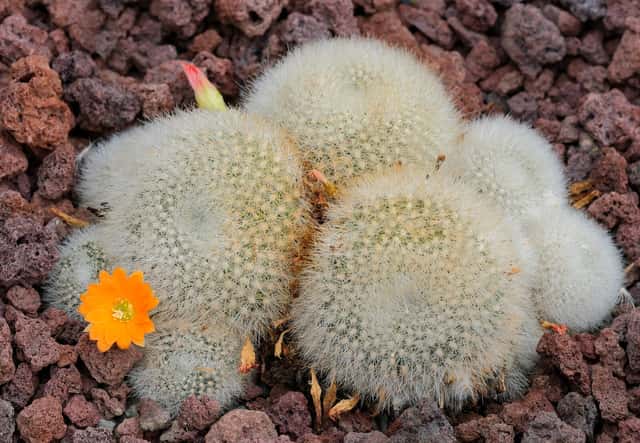
Crown Cactus (Rebutia) is a easy-care plant from the Cactaceae family. Rebutia is a genus of small, globular cacti from Bolivia and northern Argentina, where they grow on mountain slopes up to 3,600 m. They form compact clumps of round heads without distinct ribs, covered in small tubercles and fine spines. The flowers are the main attraction: large for the size of the...
Crown Cactus grows up to 10cm, spread of 15cm, watering every 14 days, 5°C – 32°C, 30–50% humidity. It is suitable for indoor environments and safe for pets.
Unlike many tropical plants, Crown Cactus tolerates watering mistakes. Best for beginners. Unlike many popular species, Crown Cactus is safe to keep around pets. Without adequate drainage, root rot can develop within 28 days.
How to Care for Crown Cactus?
TLDR: Crown Cactus needs Bright indirect, watering every 14 days, and temperatures between 5-32°C with 30-50% humidity.
How Often Should You Water Crown Cactus?
In spring and summer, water thoroughly once the mix has dried out completely, roughly every 10-14 days. Cut back in autumn and stop in winter unless the plant shrivels badly. Never leave water in the saucer.
How Much Light Does Crown Cactus Need?
Give it the brightest spot you have, such as an east- or south-facing window. It likes sun, but shade it from strong afternoon sun in midsummer to avoid scorching.
What Is the Best Soil for Crown Cactus?
Use a cactus mix with added perlite, pumice or coarse sand, low in organic matter. The pot needs a drainage hole; terracotta helps it dry out quickly.
What Pot Should You Use for Crown Cactus?
A shallow, wide terracotta pot with a drainage hole; clumps spread sideways.
Care Schedule
Fertilize
Every 30 days
Repot
Every 730 days
What Is Crown Cactus and Where Does It Come From?
Rebutia is a genus of small, globular cacti from Bolivia and northern Argentina, where they grow on mountain slopes up to 3,600 m. They form compact clumps of round heads without distinct ribs, covered in small tubercles and fine spines. The flowers are the main attraction: large for the size of the plant, in red, orange, yellow, pink, violet or white, and they open around the base of the stem like a crown. The most commonly grown are R. minuscula, R. fabrisii and the former Aylostera species, plus many hybrids.
How to Propagate Crown Cactus?
Offsets
Many offsets already have their own roots, which speeds things up. Don't water until the cut has dried, to avoid rot.
- 1 Pick a well-formed offset at the base of the clump.
- 2 Detach it gently by hand or with a clean knife.
- 3 Let the cut dry in the shade for 1-2 days until it calluses.
- 4 Set it on dry cactus mix in a small pot.
- 5 Wait a week before the first light watering.
Materials needed:
Seed
Rebutia sets plenty of seed that germinates readily; self-sown seedlings often pop up around the parent plant.
- 1 Scatter seeds on the surface of fine cactus mix without covering them.
- 2 Cover the tray to keep humidity in.
- 3 Keep at 20-25 °C in bright, indirect light.
- 4 Ventilate gradually once they germinate.
- 5 Prick out seedlings when they are big enough to handle.
Materials needed:
How Big Does Crown Cactus Grow?
TLDR: Crown Cactus can reach up to 10cm tall with Slow growth rate.
Max height
10cm
Spread
15cm
Growth rate
Slow
Foliage
Evergreen
Plant Uses
Ornamental
Great for decoration
Is your plant showing symptoms?
Click on the symptom to discover possible causes:
What Diseases Commonly Affect Crown Cactus?
TLDR: Crown Cactus is susceptible to 8 known diseases. Monitor regularly for early detection.
Root Rot
Root rot is a serious fungal disease that affects the root system of plants, causing them to decay and die. It is primarily caused by overwatering, poor drainage, or soil-borne fungi such as Pythium, Phytophthora, Rhizoctonia, and Fusarium. The disease thrives in waterlogged conditions where roots are deprived of oxygen, making them susceptible to fungal infection.
Overwatering
Overwatering occurs when plants receive too much water, depriving roots of oxygen and causing root rot. This environmental stress is one of the most common causes of houseplant death, as waterlogged soil prevents roots from breathing and functioning properly.
Bacterial Soft Rot
Bacterial soft rot is a destructive plant disease caused primarily by bacteria from the genera Pectobacterium (formerly Erwinia) and Dickeya. These bacteria produce enzymes that break down plant cell walls, causing rapid and foul-smelling tissue decomposition. It mainly affects succulent tissues such as tubers, fruits, stems, and bulbs, being especially problematic in warm and humid conditions.
Crown Rot
Crown rot is a serious fungal disease that attacks the crown (base) of the plant where the stem meets the soil. It is caused by various fungal pathogens including Phytophthora, Fusarium, and Rhizoctonia. The disease thrives in waterlogged conditions and can quickly spread to kill the entire plant if not addressed promptly.
Fun Facts
The genus is named after Pierre Rebut, a 19th-century French cactus nurseryman.
The flowers grow from the base of the stem and are often wider than the plant itself.
Rebutia minuscula has been in cultivation since 1887.
Frequently asked questions
How often should I water a Rebutia?
Why won't my Rebutia flower?
Is Rebutia toxic to cats or dogs?
How do I propagate Rebutia?
Compare with similar plants
| Attribute | Difficulty | Light | Watering | Pet Safe |
|---|---|---|---|---|
| Field Maple | Easy | Bright indirect | 14d | ✓ |
| Iberian Houseleek | Easy | Direct sun | 14d | ✓ |
| Silver Birch | Easy | Direct sun | 14d | ✓ |
| Common Blanketflower | Easy | Direct sun | 10d | ✓ |





