Geraniaceae
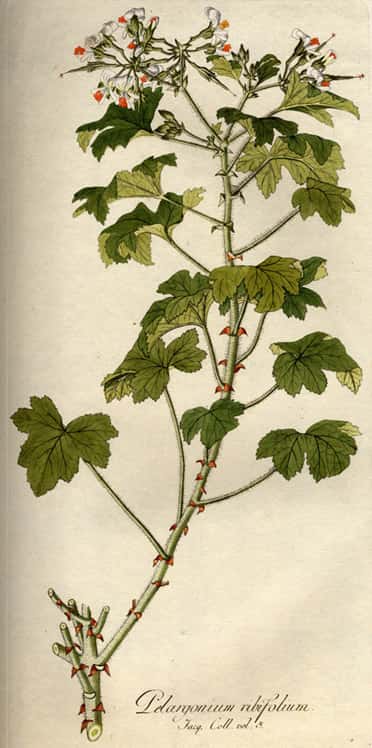
Currant-leaved Pelargonium (Pelargonium ribifolium)
Pelargonium ribifolium
Give this adaptable Cape shrub bright light to full sun, evenly moist but free-draining, humus-rich sandy soil, and protection from hard frost. It tolerates more shade and moisture than most pelargoniums, making it forgiving for slightly damp garden spots.
Every 5 days
Bright indirect
5° - 30°C
% - %
Categories
What is Currant-leaved Pelargonium?
Currant-leaved Pelargonium (Pelargonium ribifolium) is a medium-care plant from the Geraniaceae family. Pelargonium ribifolium is a much-branched, evergreen shrub native to the southern Western and Eastern Cape of South Africa, where it is more common along the margins of streams and other consistently moist habitats. Reaching up to 2 m in height and around 1 m in spread, it forms an erect, woody-base...
Currant-leaved Pelargonium grows up to 2.0m, spread of 100cm, watering every 5 days, 5°C – 30°C. It is not suitable for indoor environments and not safe for pets.
Without precautions, ingestion can cause irritation in pets. Keep out of reach of cats and dogs.
How to Care for Currant-leaved Pelargonium?
TLDR: Currant-leaved Pelargonium needs Bright indirect, watering every 5 days, and temperatures between 5-30°C with 40-70% humidity.
How Often Should You Water Currant-leaved Pelargonium?
Keep the soil lightly moist, watering as soon as the top few centimetres dry out - this species naturally grows near streams and dislikes prolonged drought, but good drainage is essential to avoid root rot.
How Much Light Does Currant-leaved Pelargonium Need?
Best flowering occurs in full sun to bright light, though the plant also tolerates partial or even fairly deep shade without serious decline.
What Is the Best Soil for Currant-leaved Pelargonium?
Plant in acidic, sandy soil enriched with organic matter; a loose, well-draining mix that still retains some moisture suits it best.
What Pot Should You Use for Currant-leaved Pelargonium?
A terracotta or unglazed clay pot with generous drainage holes suits this species well, allowing excess moisture to evaporate while the sandy mix stays evenly damp.
Care Schedule
Fertilize
Every 30 days
What Is Currant-leaved Pelargonium and Where Does It Come From?
Pelargonium ribifolium is a much-branched, evergreen shrub native to the southern Western and Eastern Cape of South Africa, where it is more common along the margins of streams and other consistently moist habitats. Reaching up to 2 m in height and around 1 m in spread, it forms an erect, woody-based shrub with softly hairy, aromatic, three-lobed leaves reminiscent of currant (Ribes) foliage - the origin of its species epithet ribifolium. Small white flowers, roughly 20 mm across and marked with red veining on the two upper petals, appear intermittently through the year with a peak flush from September to November (Southern Hemisphere spring). Unlike many of its Cape relatives that demand full baking sun, this species is notably adaptable, thriving in full sun near water as well as in partially or fully shaded understorey positions. In cultivation it makes an attractive, low-maintenance garden shrub for moist, humus-rich beds or large containers, and propagates readily from softwood or semi-ripe cuttings.
How to Propagate Currant-leaved Pelargonium?
Stem cutting
Cuttings can be taken at almost any time of year from a healthy mother plant; keeping them in a cold frame improves rooting success.
- 1 Select a healthy softwood or semi-mature stem, 100-150 mm long
- 2 Trim just below a node and remove the lower leaves
- 3 Insert the cutting into moist river sand or a sandy propagation mix
- 4 Place in a cold frame or shaded, humid spot out of direct sun
- 5 Keep the medium consistently moist until roots form
Materials needed:
How Big Does Currant-leaved Pelargonium Grow?
TLDR: Currant-leaved Pelargonium can reach up to 2.0m tall with Medium growth rate.
Max height
2.0m
Spread
1.0m
Growth rate
Medium
Foliage
Evergreen
Warning: Toxic Plant
This plant can be toxic if ingested. Keep out of reach of:
Plant Uses
Ornamental
Great for decoration
Aromatic
Pleasant fragrance
Is your plant showing symptoms?
Click on the symptom to discover possible causes:
What Diseases Commonly Affect Currant-leaved Pelargonium?
TLDR: Currant-leaved Pelargonium is susceptible to 6 known diseases. Monitor regularly for early detection.
Rust
Rust is a common fungal disease caused by fungi in the order Pucciniales that affects a wide variety of plants. The disease gets its name from the characteristic orange, yellow, or reddish-brown pustules that appear on leaves, resembling metal rust. This obligate fungal parasite requires living plants to survive and can cause significant economic losses in agricultural crops.
Powdery Mildew
Powdery mildew is a common fungal disease caused by various fungi species including Erysiphe, Podosphaera, Oïdium, and Leveillula. It affects over 10,000 plant species worldwide. The disease thrives in warm, dry climates with high humidity and appears as a distinctive white powdery coating on plant surfaces.
Aphids
Aphids are small, soft-bodied, pear-shaped insects (1/16 to 1/8 inch long) that feed by sucking nutrient-rich sap from plants. They reproduce rapidly and can quickly weaken plants, causing distorted growth and transmitting plant viruses. Aphids come in various colors including green, black, red, yellow, brown, and gray. They secrete honeydew, a sticky substance that attracts ants and encourages sooty mold growth.
Whiteflies
Whiteflies are small, soft-bodied, winged insects closely related to aphids and mealybugs. They are moth-like in appearance, about 1/16 inch long, triangular in shape, and gray-white in color. These sap-sucking pests feed on plant tissue, causing yellowing, stunted growth, and wilting. They also excrete honeydew, which attracts ants and promotes sooty mold growth. Whiteflies can transmit serious plant viruses.
Meaning & Symbolism
Like other pelargoniums, it is loosely associated with comfort and gentility in garden folklore, though no specific cultural symbolism is recorded for this particular species.
Fun Facts
Its species name "ribifolium" means "currant-leaved", comparing its foliage to the Ribes (currant) genus of the Northern Hemisphere.
It was first described in 1794 by botanist Nikolaus Joseph von Jacquin from plants grown in the Schonbrunn garden in Vienna.
Unlike most Cape pelargoniums that demand full sun, this species happily grows in fully shaded stream-bank habitats.
Frequently asked questions
Is Pelargonium ribifolium the same as a common geranium?
How much sun does the currant-leaved pelargonium need?
Is Pelargonium ribifolium toxic to pets?
How do you propagate Pelargonium ribifolium?
Compare with similar plants
| Attribute | Difficulty | Light | Watering | Pet Safe |
|---|---|---|---|---|
| Dark Fieldcap | Medium | Low light | 2d | ⚠️ |
| Azalea | Medium | Partial shade | 3d | ⚠️ |
| Muriel's Bamboo | Medium | Partial shade | 3d | ✓ |
| Bougainvillea | Medium | Direct sun | 7d | ⚠️ |




