Rutaceae
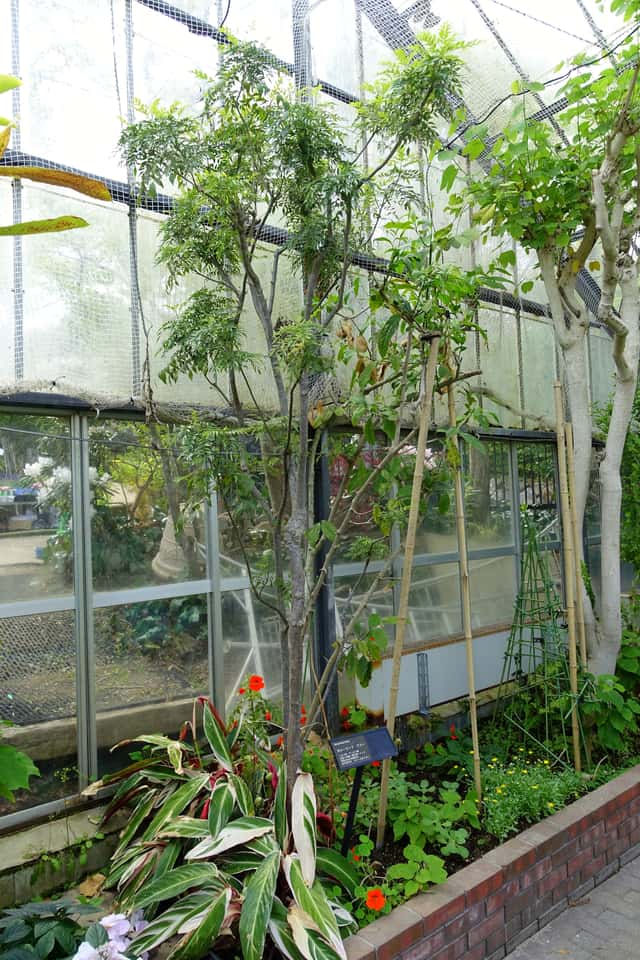
Curry Leaf Tree: Aromatic Plant
Bergera koenigii
Grow in full sun to partial shade in light, well-draining soil. Water when the top couple of centimeters of soil dry out, avoiding waterlogging which promotes root rot. Feed with a nitrogen-rich fertilizer during spring/summer for lush foliage and prune lightly to encourage bushier growth.
Every 7 days
Direct sun
10° - 35°C
40% - 60%
Categories
What is Curry Leaf Tree?
Curry Leaf Tree (Bergera koenigii) is a easy-care plant from the Rutaceae family. The curry leaf tree (Bergera koenigii, synonym Murraya koenigii) is an aromatic shrub or small tree in the citrus family Rutaceae, native to South Asia. Its glossy, pinnately compound leaves are intensely fragrant and are a staple seasoning in Indian and Southeast Asian cooking, typically fried fres...
Curry Leaf Tree grows up to 4.0m, spread of 300cm, watering every 7 days, 10°C – 35°C, 40–60% humidity. It is suitable for indoor environments and safe for pets.
Unlike many tropical plants, Curry Leaf Tree tolerates watering mistakes. Best for beginners. Unlike many popular species, Curry Leaf Tree is safe to keep around pets. Without adequate drainage, root rot can develop within 14 days.
How to Care for Curry Leaf Tree?
TLDR: Curry Leaf Tree needs Direct sun, watering every 7 days, and temperatures between 10-35°C with 40-60% humidity.
How Often Should You Water Curry Leaf Tree?
Water when the top 2-3 cm of soil feels dry to the touch; let it dry out slightly between waterings, since soggy soil encourages root rot.
How Much Light Does Curry Leaf Tree Need?
Prefers full sun; tolerates partial shade but produces more aromatic leaves and better flowering with at least 5-6 hours of direct light daily.
What Is the Best Soil for Curry Leaf Tree?
Use a light, well-draining potting mix (garden soil, coarse sand and organic compost); ensure generous drainage holes in containers.
What Pot Should You Use for Curry Leaf Tree?
A wide terracotta or clay pot with good drainage, allowing room for roots to spread; repot roughly every 2 years.
Care Schedule
Fertilize
Every 60 days
Rotate
Every 14 days
Repot
Every 730 days
What Is Curry Leaf Tree and Where Does It Come From?
The curry leaf tree (Bergera koenigii, synonym Murraya koenigii) is an aromatic shrub or small tree in the citrus family Rutaceae, native to South Asia. Its glossy, pinnately compound leaves are intensely fragrant and are a staple seasoning in Indian and Southeast Asian cooking, typically fried fresh in oil at the start of a dish. The plant bears small fragrant white flowers followed by ornamental black berries. It has a medium growth rate, tolerates drought once established, but is sensitive to frost.
How to Propagate Curry Leaf Tree?
Seed sowing
Use fresh seed, since viability drops sharply within days of removing it from the fruit.
- 1 Extract seeds from fully ripe berries and wash off the pulp
- 2 Sow the fresh seed (viability drops fast) about 1 cm deep in light, moist potting mix
- 3 Keep warm and lightly shaded until germination
- 4 Transplant the seedling once it has 3-4 true leaves
Materials needed:
Semi-hardwood stem cutting
Keep the mix lightly moist and humidity elevated; rooting can be slow and uneven.
- 1 Take a 10-15 cm cutting from a healthy semi-hardwood branch
- 2 Remove the lower leaves and dip the cut end in rooting hormone
- 3 Plant in light, moist potting mix, keeping humidity high with a plastic bag or propagator
- 4 Keep in bright indirect light until rooted
Materials needed:
Root sucker division
The easiest and fastest method, since curry leaf trees naturally send up suckers around the base.
- 1 Locate a root sucker growing around the base of the mother plant with its own roots
- 2 Carefully separate it with a spade or knife, preserving as many roots as possible
- 3 Repot immediately into a container with well-draining soil
- 4 Water well and keep in partial shade until established
Materials needed:
How Big Does Curry Leaf Tree Grow?
TLDR: Curry Leaf Tree can reach up to 4.0m tall with Medium growth rate.
Max height
4.0m
Spread
3.0m
Growth rate
Medium
Foliage
Evergreen
Plant Uses
Edible
Can be consumed
Aromatic
Pleasant fragrance
Medicinal
Medicinal properties
Ornamental
Great for decoration
Medicinal Uses
- Aids digestion and eases nausea and indigestion
- Traditionally used for diarrhea and dysentery
- Leaf extracts studied for antioxidant and blood-sugar-lowering properties
- Used externally on minor wounds and insect bites
Culinary Uses
- Fresh leaves fried in oil as the base seasoning for curries and dals
- Used in chutneys, rice dishes and vegetable stir-fries
- Dried or powdered leaves used as a spice blend ingredient
- Berries are edible with a peppery flavor, though rarely eaten culinarily
Is your plant showing symptoms?
Click on the symptom to discover possible causes:
What Diseases Commonly Affect Curry Leaf Tree?
TLDR: Curry Leaf Tree is susceptible to 10 known diseases. Monitor regularly for early detection.
Leaf Spot
Leaf spot is a common fungal disease caused by various pathogens including Alternaria, Ascochyta, Colletotrichum, Septoria, and Venturia. It primarily affects leaves, causing discolored spots that can lead to premature leaf drop if left untreated.
Bacterial Leaf Spot
Bacterial leaf spot is a plant disease caused by bacteria in the Xanthomonas and Pseudomonas genera that affects various ornamental and edible plants. The bacteria infect leaves through wounds or natural openings, causing characteristic lesions that can lead to premature leaf drop and plant weakening.
Powdery Mildew
Powdery mildew is a common fungal disease caused by various fungi species including Erysiphe, Podosphaera, Oïdium, and Leveillula. It affects over 10,000 plant species worldwide. The disease thrives in warm, dry climates with high humidity and appears as a distinctive white powdery coating on plant surfaces.
Root Rot
Root rot is a serious fungal disease that affects the root system of plants, causing them to decay and die. It is primarily caused by overwatering, poor drainage, or soil-borne fungi such as Pythium, Phytophthora, Rhizoctonia, and Fusarium. The disease thrives in waterlogged conditions where roots are deprived of oxygen, making them susceptible to fungal infection.
Meaning & Symbolism
In Indian and Southeast Asian tradition the curry leaf tree symbolizes hospitality, abundance, and nourishment, often planted near the kitchen door as a living pantry staple and a token of good fortune for the household.
Compare with similar plants
| Attribute | Difficulty | Light | Watering | Pet Safe |
|---|---|---|---|---|
| Field Maple | Easy | Bright indirect | 14d | ✓ |
| Silver Birch | Easy | Direct sun | 14d | ✓ |
| Common Blanketflower | Easy | Direct sun | 10d | ✓ |
| Cushion Bush | Easy | Direct sun | 14d | ✓ |





