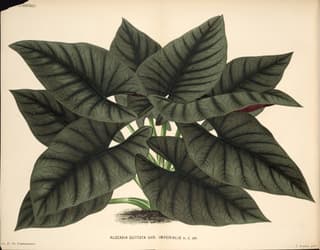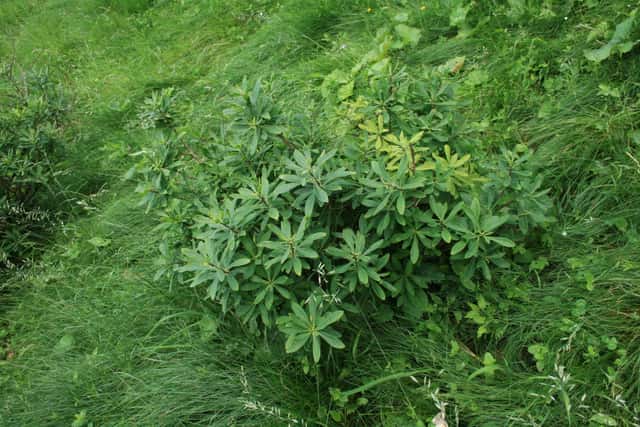
Thymelaeaceae
Daphne Care Guide
Daphne
Grow Daphne in well-draining, humus-rich soil in a spot with morning sun and afternoon shade. Keep soil evenly moist but never waterlogged, since Daphne is notoriously prone to root rot. Avoid disturbing the roots once established, as the plant resents transplanting and can decline suddenly, a phenomenon sometimes called Daphne sudden death.
Every 7 days
Partial shade
5° - 24°C
40% - 60%
Categories
What is Daphne?
Daphne (Daphne) is a hard-care plant from the Thymelaeaceae family. Daphne is a genus of 70 to 95 evergreen, semi-evergreen, and deciduous shrubs in the family Thymelaeaceae, native to Europe, Asia, and North Africa. Prized for their intensely fragrant flowers that often bloom in late winter or early spring, Daphnes are compact, slow-growing shrubs popular in rock g...
Daphne grows up to 1.5m, spread of 120cm, watering every 7 days, 5°C – 24°C, 40–60% humidity. It is not suitable for indoor environments and not safe for pets.
Unlike easy-care plants, Daphne demands constant attention to humidity and light. Not recommended for beginners. Without precautions, ingestion can cause irritation in pets. Keep out of reach of cats and dogs.
How to Care for Daphne?
TLDR: Daphne needs Partial shade, watering every 7 days, and temperatures between 5-24°C with 40-60% humidity.
How Often Should You Water Daphne?
Water when the top 5 cm of soil feels dry, roughly once a week; never let the roots sit in standing water.
How Much Light Does Daphne Need?
Provide dappled or morning sun with afternoon shade; too much direct summer sun scorches the foliage while deep shade reduces flowering.
What Is the Best Soil for Daphne?
Use a loose, well-draining, slightly acidic to neutral soil (pH 6.0 to 7.5) enriched with organic matter; heavy clay should be amended or avoided.
What Pot Should You Use for Daphne?
Choose a wide, well-draining terracotta or unglazed clay pot with generous drainage holes; Daphne dislikes wet feet and benefits from the porous walls of terracotta.
What Is Daphne and Where Does It Come From?
Daphne is a genus of 70 to 95 evergreen, semi-evergreen, and deciduous shrubs in the family Thymelaeaceae, native to Europe, Asia, and North Africa. Prized for their intensely fragrant flowers that often bloom in late winter or early spring, Daphnes are compact, slow-growing shrubs popular in rock gardens and mixed borders. Every part of the plant is highly toxic if ingested, so it should be sited away from children and pets.
How to Propagate Daphne?
Semi-ripe stem cuttings
Use sterile tools and fresh hormone powder; Daphne cuttings are notoriously slow and prone to rotting, so avoid overwatering.
- 1 Take 10-15 cm semi-ripe cuttings from non-flowering shoots in mid to late summer
- 2 Remove lower leaves and dip the cut end in rooting hormone
- 3 Insert into a free-draining mix of perlite and peat or coir
- 4 Keep in a humid, bright but shaded spot with bottom heat if possible
- 5 Be patient: roots can take many months to form
Materials needed:
Seed sowing
Fresh seed germinates far better than stored seed; always handle berries with gloves.
- 1 Collect ripe berries and clean the pulp from the seeds (wear gloves, berries are toxic)
- 2 Sow fresh seed in pots of free-draining compost
- 3 Leave pots outdoors over winter to cold-stratify
- 4 Germination typically occurs the following spring
Materials needed:
How Big Does Daphne Grow?
TLDR: Daphne can reach up to 1.5m tall with Slow growth rate.
Max height
1.5m
Spread
1.2m
Growth rate
Slow
Warning: Toxic Plant
This plant can be toxic if ingested. Keep out of reach of:
Plant Uses
Ornamental
Great for decoration
Aromatic
Pleasant fragrance
Ground Cover
Soil coverage
Is your plant showing symptoms?
Click on the symptom to discover possible causes:
What Diseases Commonly Affect Daphne?
TLDR: Daphne is susceptible to 6 known diseases. Monitor regularly for early detection.
Root Rot
Root rot is a serious fungal disease that affects the root system of plants, causing them to decay and die. It is primarily caused by overwatering, poor drainage, or soil-borne fungi such as Pythium, Phytophthora, Rhizoctonia, and Fusarium. The disease thrives in waterlogged conditions where roots are deprived of oxygen, making them susceptible to fungal infection.
Powdery Mildew
Powdery mildew is a common fungal disease caused by various fungi species including Erysiphe, Podosphaera, Oïdium, and Leveillula. It affects over 10,000 plant species worldwide. The disease thrives in warm, dry climates with high humidity and appears as a distinctive white powdery coating on plant surfaces.
Leaf Spot
Leaf spot is a common fungal disease caused by various pathogens including Alternaria, Ascochyta, Colletotrichum, Septoria, and Venturia. It primarily affects leaves, causing discolored spots that can lead to premature leaf drop if left untreated.
Aphids
Aphids are small, soft-bodied, pear-shaped insects (1/16 to 1/8 inch long) that feed by sucking nutrient-rich sap from plants. They reproduce rapidly and can quickly weaken plants, causing distorted growth and transmitting plant viruses. Aphids come in various colors including green, black, red, yellow, brown, and gray. They secrete honeydew, a sticky substance that attracts ants and encourages sooty mold growth.
Meaning & Symbolism
In the language of flowers, Daphne represents immortality and glory, a nod to the Greek myth of the nymph Daphne who was transformed into a laurel tree to escape Apollo.
Fun Facts
The genus is named after Daphne, a nymph in Greek mythology who was transformed into a laurel tree.
Some Daphne species, like D. bholua, are harvested in the Himalayas to make traditional lokta paper.
Daphne odora flowers can perfume an entire garden from just one small shrub.
Despite its fragrant, showy flowers, every part of Daphne is poisonous if eaten.
Frequently asked questions
Is Daphne toxic to pets?
Why did my Daphne die suddenly?
How much sun does Daphne need?
Can Daphne be grown in containers?
Compare with similar plants
| Attribute | Difficulty | Light | Watering | Pet Safe |
|---|---|---|---|---|
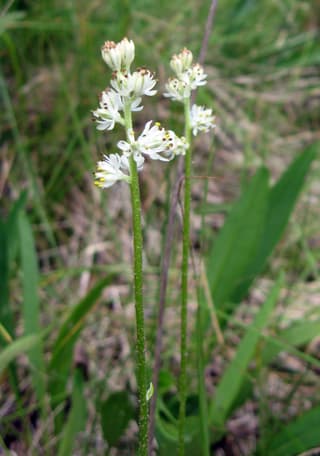
| Sticky false asphodel | Hard | Bright indirect | 1d | ✓ |
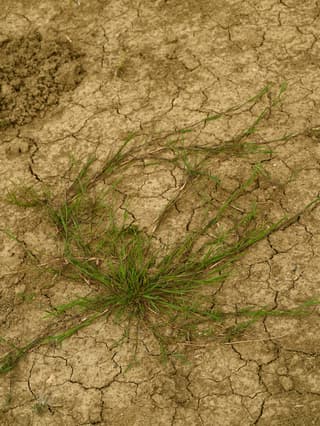
| Creeping bentgrass | Hard | Direct sun | 3d | ✓ |
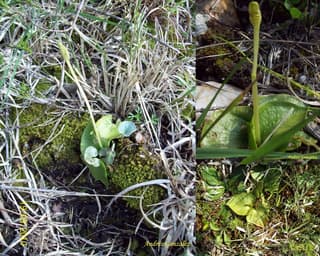
| Bulbous Adder's-tongue | Hard | Partial shade | 4d | ✓ |
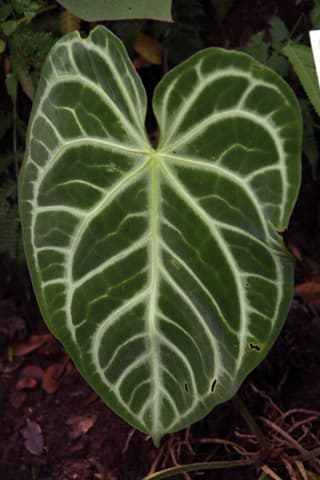
| Crystal Anthurium | Hard | Partial shade | 7d | ⚠️ |
Choose & Compare
Sources & References
- Daphne (plant) - Wikipedia
- How to Plant, Grow, and Care For Daphne Shrubs - Epic Gardening
- Daphne: profile, varieties and plant toxicity - Plantura
- Daphne - UC Statewide IPM Program
- Giftige Daphne, Seidelbast - Pflege, Standort und Vermehrung - Lubera
- Common Daphne Plant Diseases: How to Identify and Treat - Live to Plant