Aizoaceae
Ice Plant (Delosperma) Care Guide
Delosperma
Give ice plant full sun and gritty, fast-draining soil, then water deeply but infrequently, letting the soil dry out between waterings. It needs little to no fertilizer and is nearly maintenance-free once established, though it will rot quickly in soggy or clay soil.
Every 14 days
Direct sun
10° - 26°C
% - %
Categories
What is Ice Plant?
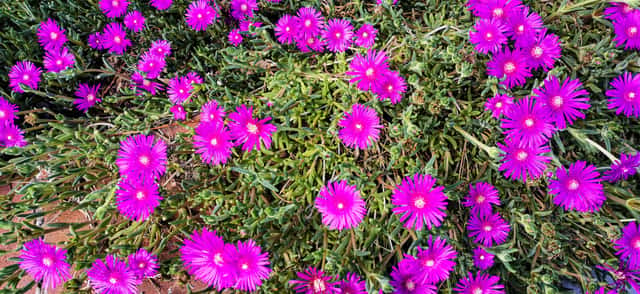
Ice Plant (Delosperma) is a easy-care plant from the Aizoaceae family. Delosperma, commonly called ice plant, is a genus of low-growing, mat-forming succulents from South Africa prized for their dazzling daisy-like flowers and glistening, ice-crystal-like leaf surfaces. Hardy species such as D. cooperi and D. nubigenum form dense evergreen carpets that thrive in full s...
Ice Plant grows up to 15cm, spread of 75cm, watering every 14 days, 10°C – 26°C. It is suitable for indoor environments and safe for pets.
Unlike many tropical plants, Ice Plant tolerates watering mistakes. Best for beginners. Unlike many popular species, Ice Plant is safe to keep around pets. Without adequate drainage, root rot can develop within 28 days.
How to Care for Ice Plant?
TLDR: Ice Plant needs Direct sun, watering every 14 days, and temperatures between 10-26°C with 40-70% humidity.
How Often Should You Water Ice Plant?
Water deeply only when the top 2 inches (5 cm) of soil are completely dry, and always err on the side of underwatering, overwatering is the most common cause of failure.
How Much Light Does Ice Plant Need?
Provide at least 6 to 8 hours of direct sun daily; too little light weakens growth and greatly reduces flowering.
What Is the Best Soil for Ice Plant?
Plant in sandy, gravelly, or rocky soil with excellent drainage. Avoid clay or any soil that stays wet, since it will quickly cause root rot.
What Pot Should You Use for Ice Plant?
Use a shallow terracotta or unglazed clay pot with ample drainage holes to keep roots dry between waterings.
What Is Ice Plant and Where Does It Come From?
Delosperma, commonly called ice plant, is a genus of low-growing, mat-forming succulents from South Africa prized for their dazzling daisy-like flowers and glistening, ice-crystal-like leaf surfaces. Hardy species such as D. cooperi and D. nubigenum form dense evergreen carpets that thrive in full sun and lean, well-drained soil, making them a favorite for rock gardens, slopes, and xeriscapes.
How to Propagate Ice Plant?
Stem Cutting
Avoid watering right after planting; wait a few days to let the wound seal and reduce rot risk.
- 1 Snip a 5-10 cm stem tip from a healthy plant using clean scissors.
- 2 Let the cutting callus over in a dry, shaded spot for 1-2 days.
- 3 Insert the calloused end into well-draining cactus or gritty soil.
- 4 Keep soil barely moist until roots establish, then water as normal.
Materials needed:
Division
Choose sections that already have their own roots for the fastest establishment.
- 1 Dig up a mature clump and gently separate rooted sections by hand.
- 2 Replant divisions immediately in well-draining soil.
- 3 Water lightly to settle the soil, then resume normal watering.
Materials needed:
How Big Does Ice Plant Grow?
TLDR: Ice Plant can reach up to 15cm tall with Fast growth rate.
Max height
15cm
Spread
75cm
Growth rate
Fast
Foliage
Evergreen
Plant Uses
Ornamental
Great for decoration
Ground Cover
Soil coverage
Is your plant showing symptoms?
Click on the symptom to discover possible causes:
What Diseases Commonly Affect Ice Plant?
TLDR: Ice Plant is susceptible to 11 known diseases. Monitor regularly for early detection.
Root Rot
Root rot is a serious fungal disease that affects the root system of plants, causing them to decay and die. It is primarily caused by overwatering, poor drainage, or soil-borne fungi such as Pythium, Phytophthora, Rhizoctonia, and Fusarium. The disease thrives in waterlogged conditions where roots are deprived of oxygen, making them susceptible to fungal infection.
Overwatering
Overwatering occurs when plants receive too much water, depriving roots of oxygen and causing root rot. This environmental stress is one of the most common causes of houseplant death, as waterlogged soil prevents roots from breathing and functioning properly.
Mealybugs
Mealybugs are small, soft-bodied insects covered with a white, waxy, cottony material. They are common pests of houseplants and outdoor plants in mild climates. These sap-sucking insects feed on plant tissue, causing damage, stunted growth, and can lead to plant death if left untreated. They produce sticky honeydew which attracts sooty mold.
Aphids
Aphids are small, soft-bodied, pear-shaped insects (1/16 to 1/8 inch long) that feed by sucking nutrient-rich sap from plants. They reproduce rapidly and can quickly weaken plants, causing distorted growth and transmitting plant viruses. Aphids come in various colors including green, black, red, yellow, brown, and gray. They secrete honeydew, a sticky substance that attracts ants and encourages sooty mold growth.
Meaning & Symbolism
Its ability to bloom brilliantly in poor, dry soil makes ice plant a symbol of resilience and thriving against the odds.
Fun Facts
The petals of Delosperma flowers only open fully in bright sunlight and close on cloudy days and at night.
Its leaves are covered in tiny water-storing cells that sparkle like ice crystals, giving the plant its common name.
A single ice plant can double in size in its first growing season, quickly forming a dense, weed-smothering ground cover.
Delosperma belongs to the same family, Aizoaceae, as the South African living stones (Lithops).
Frequently asked questions
How often should I water Delosperma ice plant?
Is Delosperma toxic to cats and dogs?
Why is my ice plant not flowering?
What USDA zones is Delosperma hardy in?
Compare with similar plants
| Attribute | Difficulty | Light | Watering | Pet Safe |
|---|---|---|---|---|
| Field Maple | Easy | Bright indirect | 14d | ✓ |
| Silver Birch | Easy | Direct sun | 14d | ✓ |
| Common Blanketflower | Easy | Direct sun | 10d | ✓ |
| Cushion Bush | Easy | Direct sun | 14d | ✓ |





