Cactaceae
Dragon Fruit: Edible Plant
Hylocereus undatus
Easy to grow like many other cacti, dragon fruit requires plenty of light, a fast-draining substrate, and spaced-out watering, allowing the soil to dry almost completely between waterings. As a vigorous climber, it benefits from support (a trellis or stake) and annual pruning to control its size and stimulate fruiting.
Every 14 days
Bright indirect
15° - 32°C
30% - 50%
Categories
What is Dragon Fruit?
Dragon Fruit (Hylocereus undatus) is a easy-care plant from the Cactaceae family. The dragon fruit (Hylocereus undatus) is an epiphytic climbing cactus native to Central America and Mexico, now widely cultivated in tropical and subtropical regions for its exotic fruits with pink skin and white pulp speckled with black seeds. Its green, triangular, and succulent stems grow like vi...
Dragon Fruit grows up to 3.0m, spread of 100cm, watering every 14 days, 15°C – 32°C, 30–50% humidity. It is suitable for indoor environments and safe for pets.
Unlike many tropical plants, Dragon Fruit tolerates watering mistakes. Best for beginners. Unlike many popular species, Dragon Fruit is safe to keep around pets. Without adequate drainage, root rot can develop within 28 days.
How to Care for Dragon Fruit?
TLDR: Dragon Fruit needs Bright indirect, watering every 14 days, and temperatures between 15-32°C with 30-50% humidity.
How Often Should You Water Dragon Fruit?
Water only when the substrate is practically dry, approximately every two weeks during spring and summer, reducing significantly in fall and winter. Overwatering is the main risk for this plant, as it can cause root and stem rot.
How Much Light Does Dragon Fruit Need?
Prefers a well-lit location with a few hours of direct sun in the morning or late afternoon; in very hot climates, protect it from midday sun to prevent stem scorching.
What Is the Best Soil for Dragon Fruit?
Use a cactus and succulent potting mix that is lightweight and has excellent drainage, mixing in coarse sand or perlite to prevent moisture buildup around the roots. The ideal pH is between 6.0 and 7.0.
What Pot Should You Use for Dragon Fruit?
Wide and shallow pots with generous drainage holes, preferably made of terracotta or ceramic, which help evaporate excess moisture from the substrate.
Care Schedule
Fertilize
Every 30 days
Rotate
Every 14 days
Repot
Every 1095 days
What Is Dragon Fruit and Where Does It Come From?
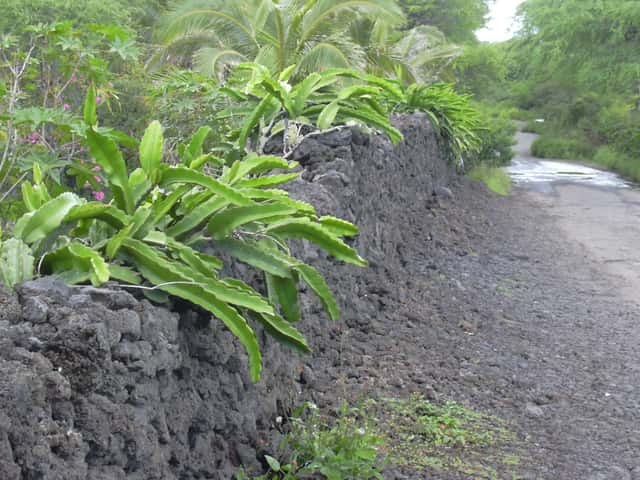
The dragon fruit (Hylocereus undatus) is an epiphytic climbing cactus native to Central America and Mexico, now widely cultivated in tropical and subtropical regions for its exotic fruits with pink skin and white pulp speckled with black seeds. Its green, triangular, and succulent stems grow like vines, clinging to trees, walls, or trellises via aerial roots. At night, it produces massive, fragrant white flowers that open for only a few hours, earning it the nickname 'Queen of the Night'.
How to Propagate Dragon Fruit?
Stem segment cutting
Never plant a fresh cutting without letting it callus, as the cut end may rot in contact with moist soil.
- 1 Cut a healthy stem segment of 10 to 12 inches using a clean knife
- 2 Allow the cut to heal (callus) in a dry, shaded spot for 3 to 7 days
- 3 Plant about one-third of the cutting in well-draining cactus substrate
- 4 Keep in a location with bright indirect light and water sparingly until rooted
- 5 After rooting, treat as a mature plant, gradually increasing light exposure
Materials needed:
Seed propagation
Fruiting can take 5 to 7 years from seed, which is why stem cuttings are the preferred method.
- 1 Extract seeds from ripe pulp and wash to remove fruit residue
- 2 Spread across the surface of moist, well-draining substrate without covering
- 3 Keep in a warm location with indirect light until germination occurs
Materials needed:
How Big Does Dragon Fruit Grow?
TLDR: Dragon Fruit can reach up to 3.0m tall with Fast growth rate.
Max height
3.0m
Spread
1.0m
Growth rate
Fast
Foliage
Evergreen
Plant Uses
Edible
Can be consumed
Ornamental
Great for decoration
Medicinal
Medicinal properties
Medicinal Uses
- Peel and pulp extracts possess antioxidant activity studied in laboratory research
- Traditional use as a source of fiber and vitamin C to support digestion
Culinary Uses
- Consumption of the fresh fruit, usually chilled and cut in half
- Use in vitamins, juices, and smoothies
- Incorporation into fruit salads and desserts
Is your plant showing symptoms?
Click on the symptom to discover possible causes:
What Diseases Commonly Affect Dragon Fruit?
TLDR: Dragon Fruit is susceptible to 10 known diseases. Monitor regularly for early detection.
Anthracnose
Anthracnose is a fungal disease caused by fungi in the genus Colletotrichum that affects many plants, including vegetables, fruits, and trees. The disease thrives in cool, wet conditions, causing dark, sunken lesions on leaves, stems, flowers, and fruits.
Root Rot
Root rot is a serious fungal disease that affects the root system of plants, causing them to decay and die. It is primarily caused by overwatering, poor drainage, or soil-borne fungi such as Pythium, Phytophthora, Rhizoctonia, and Fusarium. The disease thrives in waterlogged conditions where roots are deprived of oxygen, making them susceptible to fungal infection.
Canker
Canker is a disease caused by various fungi and bacteria that create necrotic, sunken areas on bark of branches, stems, and trunks. Pathogens enter through wounds and natural openings, especially when plants are stressed. Canker can gradually weaken or kill branches by disrupting water and nutrient flow.
Powdery Mildew
Powdery mildew is a common fungal disease caused by various fungi species including Erysiphe, Podosphaera, Oïdium, and Leveillula. It affects over 10,000 plant species worldwide. The disease thrives in warm, dry climates with high humidity and appears as a distinctive white powdery coating on plant surfaces.
Meaning & Symbolism
Due to its exotic appearance and dramatic transformation—from thorny stem to nocturnal flower and vibrant fruit—the dragon fruit is associated with abundance, strength, and renewal, and is seen in some cultures as a symbol of luck and power.
Compare with similar plants
| Attribute | Difficulty | Light | Watering | Pet Safe |
|---|---|---|---|---|
| Field Maple | Easy | Bright indirect | 14d | ✓ |
| Silver Birch | Easy | Direct sun | 14d | ✓ |
| Common Blanketflower | Easy | Direct sun | 10d | ✓ |
| Cushion Bush | Easy | Direct sun | 14d | ✓ |





