Malvaceae
Durian: Aromatic Plant
Durio zibethinus
Needs a hot, humid, frost-free tropical climate with deep, rich, well-draining soil and consistent moisture. Highly susceptible to Phytophthora root and stem rot in waterlogged conditions, so drainage is essential. Not suited to pots or indoor growing -- this is a large outdoor forest tree.
Every 3 days
Direct sun
18° - 35°C
70% - 90%
Categories
What is Durian?
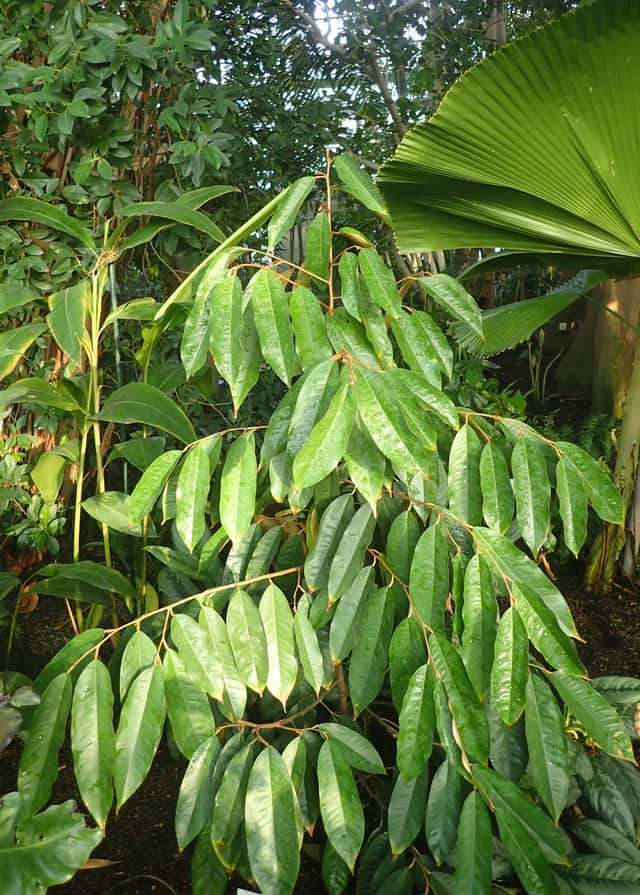
Durian (Durio zibethinus) is a hard-care plant from the Malvaceae family. Durio zibethinus, the durian, is a massive evergreen tree native to the rainforests of Borneo and Sumatra, now cultivated across Southeast Asia. Nicknamed the "King of Fruits," it produces a large, thorn-covered fruit with a famously pungent aroma and rich, custard-like flesh. The tree can reach 25-...
Durian grows up to 40.0m, spread of 1500cm, watering every 3 days, 18°C – 35°C, 70–90% humidity. It is not suitable for indoor environments and not safe for pets.
Unlike easy-care plants, Durian demands constant attention to humidity and light. Not recommended for beginners. Without precautions, ingestion can cause irritation in pets. Keep out of reach of cats and dogs.
How to Care for Durian?
TLDR: Durian needs Direct sun, watering every 3 days, and temperatures between 18-35°C with 70-90% humidity.
How Often Should You Water Durian?
Keep soil evenly moist, especially through flowering and fruit development, but never let it sit waterlogged -- excess water around the roots invites Phytophthora root rot.
How Much Light Does Durian Need?
Shelter young saplings with partial shade to avoid leaf scorch; once established, mature trees need full, direct sun for healthy flowering and fruit set.
What Is the Best Soil for Durian?
Plant in deep, loamy soil rich in organic matter with a slightly acidic pH of 5.5-6.5 and excellent drainage to keep root and collar rot at bay.
What Pot Should You Use for Durian?
Not suitable for pot culture -- durian develops a deep taproot and needs open ground to reach its mature size.
Care Schedule
Fertilize
Every 60 days
Misting
Every 1 days
What Is Durian and Where Does It Come From?
Durio zibethinus, the durian, is a massive evergreen tree native to the rainforests of Borneo and Sumatra, now cultivated across Southeast Asia. Nicknamed the "King of Fruits," it produces a large, thorn-covered fruit with a famously pungent aroma and rich, custard-like flesh. The tree can reach 25-40 m in height and needs a decade or more before its first harvest. Durian is notoriously vulnerable to Phytophthora palmivora, which causes patch canker, root rot and fruit rot, making orchard drainage and sanitation critical. Folklore warns against eating durian with alcohol; laboratory studies have since shown durian extract inhibits aldehyde dehydrogenase, lending some credibility to the old belief.
How to Propagate Durian?
Patch Budding
- Sterilize tools between cuts -- open wounds are an easy entry point for Phytophthora in humid climates.
- 1 Select Rootstock
Choose a healthy 1-year-old seedling rootstock.
- 2 Prepare Scion
Cut a bud patch from a high-yielding mother tree.
- 3 Join and Wrap
Insert the bud into the rootstock flap and secure tightly with grafting tape.
Materials needed:
Seed Propagation
- Durian seeds are recalcitrant and must be planted within days of removal or they lose viability.
- 1 Clean Seed
Remove all fruit pulp from the large seed immediately after eating.
- 2 Planting
Plant the seed horizontally in moist, rich soil.
- 3 Maintain Heat
Keep the soil temperature above 25 degrees Celsius.
Materials needed:
How Big Does Durian Grow?
TLDR: Durian can reach up to 40.0m tall with Medium growth rate.
Max height
40.0m
Spread
15.0m
Growth rate
Medium
Foliage
Evergreen
Warning: Toxic Plant
This plant can be toxic if ingested. Keep out of reach of:
Plant Uses
Edible
Can be consumed
Medicinal
Medicinal properties
Aromatic
Pleasant fragrance
Medicinal Uses
- Root and leaf decoctions used traditionally for fever reduction
- Leaf juice applied topically for skin swelling
- Fruit regarded as a warming tonic in traditional Southeast Asian medicine
Culinary Uses
- Eaten fresh as a prized dessert fruit
- Used in cakes, pastries and ice cream
- Fermented into tempoyak (preserved durian paste)
- Cooked seeds eaten as a starchy snack
Is your plant showing symptoms?
Click on the symptom to discover possible causes:
What Diseases Commonly Affect Durian?
TLDR: Durian is susceptible to 18 known diseases. Monitor regularly for early detection.
Phytophthora Root Rot
The Phytophthora genus consists of soil-borne oomycetes (water molds) that act as plant pathogens, primarily affecting trees and woody plants. It typically spreads through the root system, leading to systemic decline and eventual plant collapse.
Phytophthora Root Rot
Disease caused by fungus-like organisms (oomycetes) that live in soil and can survive for years. It affects roots, stem, and crown of plants, being especially severe in waterlogged or poorly drained soils. It is the second most common cause of root rot in trees and shrubs.
Phytophthora Blight
Devastating fungal disease caused by Phytophthora species (primarily P. capsici and P. infestans), famously responsible for the Irish Potato Famine in the 1840s. Affects all plant parts including roots, stems, leaves, and fruits in warm, wet conditions. The pathogen is technically an oomycete (water mold) that thrives in saturated soils and can survive in soil for 5+ years.
Canker
Canker is a disease caused by various fungi and bacteria that create necrotic, sunken areas on bark of branches, stems, and trunks. Pathogens enter through wounds and natural openings, especially when plants are stressed. Canker can gradually weaken or kill branches by disrupting water and nutrient flow.
Meaning & Symbolism
Across Southeast Asia durian is the "King of Fruits" -- a symbol of luxury, status and hospitality, often given as a prestigious gift and celebrated at harvest festivals in Malaysia, Thailand, Indonesia and the Philippines.
Compare with similar plants
| Attribute | Difficulty | Light | Watering | Pet Safe |
|---|---|---|---|---|
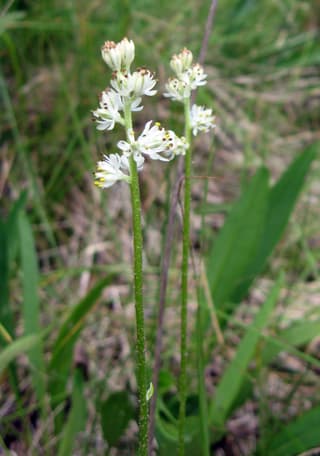
| Sticky false asphodel | Hard | Bright indirect | 1d | ✓ |
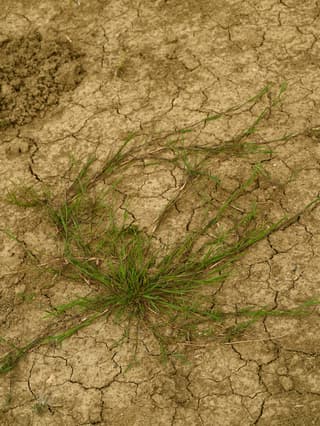
| Creeping bentgrass | Hard | Direct sun | 3d | ✓ |
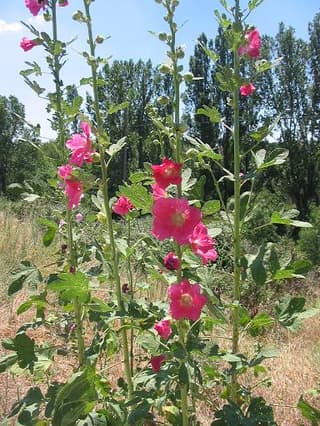
| Hollyhock | Medium | Direct sun | 5d | ✓ |
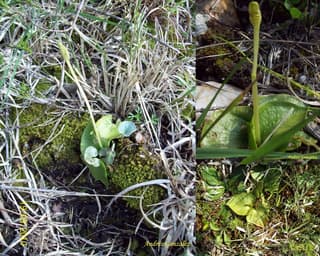
| Bulbous Adder's-tongue | Hard | Partial shade | 4d | ✓ |
Choose & Compare
Sources & References
- List of durian diseases and pests - Wikipedia
- Durian cultivation faces serious threat from disease caused by Phytophtora sp. - TFNet
- Durio zibethinus - Durian - PFAF Plant Database
- Can Cats Eat Durian? Vet Approved Facts - Catster
- Durian and Ethanol Interaction - HelloPharmacist
- Inhibition of aldehyde dehydrogenase enzyme by Durian fruit extract - ScienceDirect
- Durian Diseases and Pests: How to Prevent? - Top Fruits
- Durian Pests and Disease Management - Novobac
- Durian cultivation and care: essential growing conditions and propagation methods