Cactaceae
Eastern Prickly Pear (Opuntia humifusa): Complete Care Guide
Opuntia humifusa
Water sparingly every 2–3 weeks in summer; keep almost completely dry in winter. Ensure full sun and excellent drainage. Feed lightly with a low-nitrogen cactus fertilizer every 6–8 weeks during the growing season. Remove dead or damaged pads with gloves to avoid glochid contact.
Every 21 days
Direct sun
-12° - 38°C
10% - 40%
Categories
What is Eastern Prickly Pear?
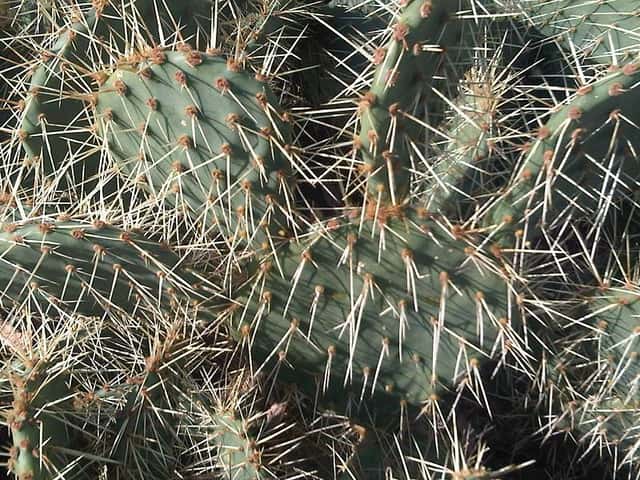
Eastern Prickly Pear (Opuntia humifusa) is a easy-care plant from the Cactaceae family. Opuntia humifusa, the Eastern Prickly Pear, is a low-growing, mat-forming cactus native to the eastern and central United States. It produces flat, paddle-shaped pads armed with glochids and occasional spines, stunning yellow flowers up to 4 inches wide in late spring and early summer, and edible re...
Eastern Prickly Pear grows up to 30cm, spread of 90cm, watering every 21 days, -12°C – 38°C, 10–40% humidity. It is not suitable for indoor environments and safe for pets.
Unlike many tropical plants, Eastern Prickly Pear tolerates watering mistakes. Best for beginners. Unlike many popular species, Eastern Prickly Pear is safe to keep around pets.
How to Care for Eastern Prickly Pear?
TLDR: Eastern Prickly Pear needs Direct sun, watering every 21 days, and temperatures between -12-38°C with 10-40% humidity.
How Often Should You Water Eastern Prickly Pear?
Water every 2–3 weeks in the growing season, allowing soil to dry completely between waterings. In winter, water rarely or not at all.
How Much Light Does Eastern Prickly Pear Need?
Requires full sun — at least 6–8 hours of direct sunlight daily. Insufficient light reduces flowering and weakens the plant.
What Is the Best Soil for Eastern Prickly Pear?
Plant in sandy, rocky, or gritty well-draining soil. Avoid clay or moisture-retentive mixes. A pH of 6.1–7.8 is ideal. Standard cactus mix works well in containers.
What Pot Should You Use for Eastern Prickly Pear?
Terracotta or unglazed clay pots with large drainage holes are ideal to wick excess moisture away from roots.
Care Schedule
Fertilize
Every 42 days
What Is Eastern Prickly Pear and Where Does It Come From?
Opuntia humifusa, the Eastern Prickly Pear, is a low-growing, mat-forming cactus native to the eastern and central United States. It produces flat, paddle-shaped pads armed with glochids and occasional spines, stunning yellow flowers up to 4 inches wide in late spring and early summer, and edible red-purple fruits in late summer. One of the most cold-hardy cacti in the world, it thrives in USDA zones 4–9 and can survive temperatures as low as -12°C (10°F).
How Big Does Eastern Prickly Pear Grow?
TLDR: Eastern Prickly Pear can reach up to 30cm tall with Slow growth rate.
Max height
30cm
Spread
90cm
Growth rate
Slow
Foliage
Evergreen
Plant Uses
Ornamental
Great for decoration
Edible
Can be consumed
Medicinal
Medicinal properties
Ground Cover
Soil coverage
Medicinal Uses
- Traditional topical treatment for burns and skin wounds
- Used in folk medicine for digestive issues and inflammation
- Rich in antioxidants and mucilage with potential anti-diabetic properties
Culinary Uses
- Edible pads (nopales) eaten raw or cooked in salads, stews, and soups
- Sweet red-purple fruits (tunas) eaten fresh, made into jams, jellies, syrups, or candies
- Young pads peeled and grilled or sautéed as a vegetable
Is your plant showing symptoms?
Click on the symptom to discover possible causes:
What Diseases Commonly Affect Eastern Prickly Pear?
TLDR: Eastern Prickly Pear is susceptible to 6 known diseases. Monitor regularly for early detection.
Root Rot
Root rot is a serious fungal disease that affects the root system of plants, causing them to decay and die. It is primarily caused by overwatering, poor drainage, or soil-borne fungi such as Pythium, Phytophthora, Rhizoctonia, and Fusarium. The disease thrives in waterlogged conditions where roots are deprived of oxygen, making them susceptible to fungal infection.
Overwatering
Overwatering occurs when plants receive too much water, depriving roots of oxygen and causing root rot. This environmental stress is one of the most common causes of houseplant death, as waterlogged soil prevents roots from breathing and functioning properly.
Scale Insects
Scale insects are small sap-sucking pests that appear as brown, shell-like bumps on plant stems and leaves. There are over 25 species, divided into armored (hard) and unarmored (soft) scales. They feed by piercing plant tissue and extracting sap, which weakens the plant and can lead to yellowing, stunted growth, and even death if left untreated. They also excrete honeydew, which attracts ants and promotes sooty mold growth.
Mealybugs
Mealybugs are small, soft-bodied insects covered with a white, waxy, cottony material. They are common pests of houseplants and outdoor plants in mild climates. These sap-sucking insects feed on plant tissue, causing damage, stunted growth, and can lead to plant death if left untreated. They produce sticky honeydew which attracts sooty mold.
Meaning & Symbolism
A symbol of resilience and endurance. Native peoples of North America relied on Eastern Prickly Pear for sustenance and healing, making it a plant of survival and ancestral wisdom.
Fun Facts
One of the most cold-hardy cacti on Earth — it can survive under snow cover at -12°C (10°F) or lower.
The fruit, called "tuna," was a staple food for many Native American peoples who also used the sticky pad juice to treat burns.
Individual flowers last only 1–2 days, but a single plant can produce dozens of blooms across several weeks.
Birds, bees, and butterflies are attracted to the flowers, making it a superb native pollinator plant.
The mucilaginous pads were historically mixed into adobe plaster to make it stronger and more weather-resistant.
Compare with similar plants
| Attribute | Difficulty | Light | Watering | Pet Safe |
|---|---|---|---|---|
| Field Maple | Easy | Bright indirect | 14d | ✓ |
| Silver Birch | Easy | Direct sun | 14d | ✓ |
| Common Blanketflower | Easy | Direct sun | 10d | ✓ |
| Cushion Bush | Easy | Direct sun | 14d | ✓ |





