Escalloniaceae
Escallonia: How to Care for Escallonia Shrubs
Escallonia
Easy shrubs for sun or light shade in fertile, well-drained soil, ideally sheltered from cold winds. Water well while they establish, then only in long dry spells. Trim once a year straight after flowering, and mulch with compost afterwards.
Every 7 days
Bright indirect
-10° - °C
% - %
Categories
What is Escallonia?
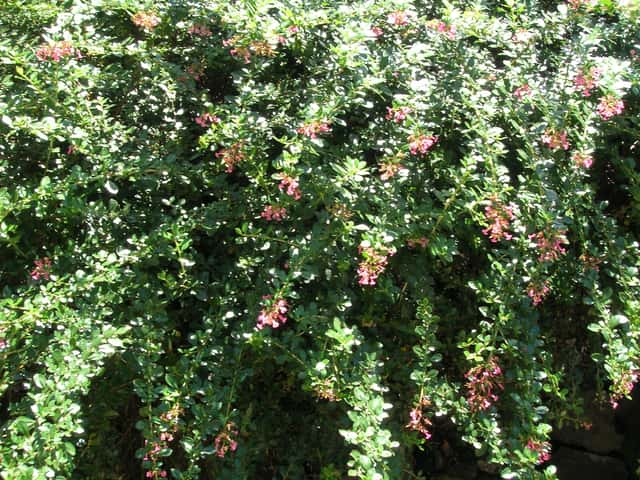
Escallonia (Escallonia) is a easy-care plant from the Escalloniaceae family. Escallonia is a genus of evergreen shrubs from South America, grown for their glossy, toothed dark green leaves and long display of small tubular flowers in white, pink or red from summer into autumn. Garden forms range from compact shrubs about 1 m tall to large screening shrubs of 4 m or more. The...
Escallonia grows up to 4.0m, spread of 400cm, watering every 7 days. It is not suitable for indoor environments and safe for pets.
Unlike many tropical plants, Escallonia tolerates watering mistakes. Best for beginners. Unlike many popular species, Escallonia is safe to keep around pets.
How to Care for Escallonia?
TLDR: Escallonia needs Bright indirect, watering every 7 days, and temperatures between -10-30°C with 40-70% humidity.
How Often Should You Water Escallonia?
In the first growing season water thoroughly about twice a week in dry weather. Once established, escallonias tolerate drought but look best with occasional deep watering in long dry spells. Avoid waterlogged soil.
How Much Light Does Escallonia Need?
Full sun gives the most flowers. They also grow in partial shade, and in very hot climates some afternoon shade helps.
What Is the Best Soil for Escallonia?
Fertile, well-drained soil; chalk, clay, loam and sand all work if they do not stay wet. Dig in well-rotted compost before planting.
What Pot Should You Use for Escallonia?
Compact varieties grow well in large containers at least 45 cm wide, with drainage holes and a loam-based compost.
What Is Escallonia and Where Does It Come From?
Escallonia is a genus of evergreen shrubs from South America, grown for their glossy, toothed dark green leaves and long display of small tubular flowers in white, pink or red from summer into autumn. Garden forms range from compact shrubs about 1 m tall to large screening shrubs of 4 m or more. They grow fast, attract bees, and tolerate wind, salt spray and drought, which makes them a classic choice for coastal hedges.
How to Propagate Escallonia?
Semi-ripe cuttings
Softwood cuttings in early summer and hardwood cuttings from late autumn to winter also root.
- 1 In late summer, choose healthy non-flowering shoots of this year's growth that are starting to harden.
- 2 Cut 10-15 cm lengths just below a leaf joint with a sharp knife.
- 3 Remove the leaves from the lower two-thirds.
- 4 Insert into pots of gritty cutting compost and keep in a sheltered, bright spot out of direct sun until rooted.
Materials needed:
How Big Does Escallonia Grow?
TLDR: Escallonia can reach up to 4.0m tall with Fast growth rate.
Max height
4.0m
Spread
4.0m
Growth rate
Fast
Foliage
Evergreen
Plant Uses
Ornamental
Great for decoration
Is your plant showing symptoms?
Click on the symptom to discover possible causes:
What Diseases Commonly Affect Escallonia?
TLDR: Escallonia is susceptible to 2 known diseases. Monitor regularly for early detection.
Scale Insects
Scale insects are small sap-sucking pests that appear as brown, shell-like bumps on plant stems and leaves. There are over 25 species, divided into armored (hard) and unarmored (soft) scales. They feed by piercing plant tissue and extracting sap, which weakens the plant and can lead to yellowing, stunted growth, and even death if left untreated. They also excrete honeydew, which attracts ants and promotes sooty mold growth.
Leaf Spot
Leaf spot is a common fungal disease caused by various pathogens including Alternaria, Ascochyta, Colletotrichum, Septoria, and Venturia. It primarily affects leaves, causing discolored spots that can lead to premature leaf drop if left untreated.
Fun Facts
The genus has well over a hundred species of shrubs and small trees, nearly all native to South America.
Escallonias recover quickly from frost damage: cut out dead shoots in mid-spring, once new growth shows where to cut.
Their small tubular flowers are a good source of nectar for bees.
Frequently asked questions
When should I prune escallonia?
Why is my escallonia losing its leaves?
Is escallonia good for a hedge?
How cold-hardy is escallonia?
Compare with similar plants
| Attribute | Difficulty | Light | Watering | Pet Safe |
|---|---|---|---|---|
| Field Maple | Easy | Bright indirect | 14d | ✓ |
| Iberian Houseleek | Easy | Direct sun | 14d | ✓ |
| Silver Birch | Easy | Direct sun | 14d | ✓ |
| Common Blanketflower | Easy | Direct sun | 10d | ✓ |





