Peltigeraceae
felt lichen: Ground Cover Plant
Peltigera
Felt lichens require high humidity, cool temperatures, and a stable substrate like mossy soil or rotting wood. They are extremely sensitive to air pollution and tap water chemicals.
Every 3 days
Partial shade
-10° - 25°C
60% - 95%
Categories
What is felt lichen?
felt lichen (Peltigera) is a hard-care plant from the Peltigeraceae family. Peltigera, commonly known as felt lichen, is a genus of approximately 100 species of foliose lichens. They are characterized by large, leaf-like thalli that often have a fuzzy or 'felt-like' lower surface. These lichens form a symbiotic relationship between a fungus and a cyanobacterium (usually Nos...
felt lichen grows up to 5cm, spread of 30cm, watering every 3 days, -10°C – 25°C, 60–95% humidity. It is not suitable for indoor environments and safe for pets.
Unlike easy-care plants, felt lichen demands constant attention to humidity and light. Not recommended for beginners. Unlike many popular species, felt lichen is safe to keep around pets.
How to Care for felt lichen?
TLDR: felt lichen needs Partial shade, watering every 3 days, and temperatures between -10-25°C with 60-95% humidity.
How Often Should You Water felt lichen?
Use only rainwater or distilled water. The lichen should be kept moist but not submerged; it absorbs water like a sponge.
How Much Light Does felt lichen Need?
Provide dappled shade or indirect light; avoid direct afternoon sun which can desiccate the thallus.
What Is the Best Soil for felt lichen?
Requires a substrate rich in organic matter and bryophytes (mosses) to maintain moisture levels.
What Pot Should You Use for felt lichen?
Best grown in a terrarium or on natural forest floor substrate; not suitable for standard pots.
Care Schedule
Misting
Every 1 days
What Is felt lichen and Where Does It Come From?
Peltigera, commonly known as felt lichen, is a genus of approximately 100 species of foliose lichens. They are characterized by large, leaf-like thalli that often have a fuzzy or 'felt-like' lower surface. These lichens form a symbiotic relationship between a fungus and a cyanobacterium (usually Nostoc), which allows them to fix nitrogen from the atmosphere, making them vital for forest ecosystem health.
How to Propagate felt lichen?
Fragmentation
- Never use tap water as chlorine kills the cyanobacteria.
- Ensure good air circulation to prevent mold.
- 1 Fragment Collection
Carefully separate a healthy piece of the lichen thallus during a period of high natural moisture.
- 2 Substrate Preparation
Place the fragment onto a moist, sterile bed of moss or organic forest soil.
- 3 Establishment
Maintain constant high humidity and use only distilled or rain water to keep the fragment hydrated until it adheres.
Materials needed:
How Big Does felt lichen Grow?
TLDR: felt lichen can reach up to 5cm tall with Slow growth rate.
Max height
5cm
Spread
30cm
Growth rate
Slow
Foliage
Evergreen
Plant Uses
Ground Cover
Soil coverage
Medicinal
Medicinal properties
Medicinal Uses
- Traditional treatment for rabies (historical)
- Topical antiseptic
- Cough suppressant in traditional herbalism
Is your plant showing symptoms?
Click on the symptom to discover possible causes:
Meaning & Symbolism
Represents resilience and the complex interconnectedness of nature.
Compare with similar plants
| Attribute | Difficulty | Light | Watering | Pet Safe |
|---|---|---|---|---|
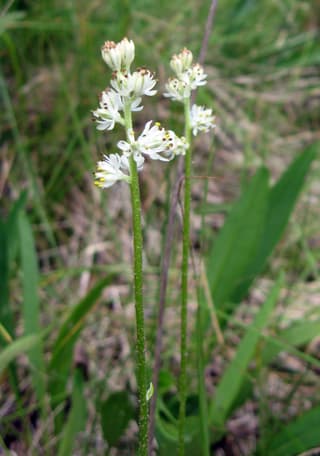
| Sticky false asphodel | Hard | Bright indirect | 1d | ✓ |
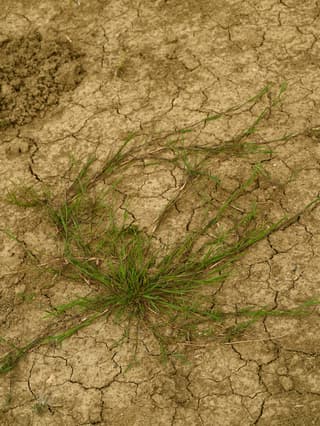
| Creeping bentgrass | Hard | Direct sun | 3d | ✓ |
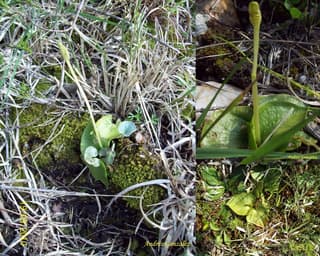
| Bulbous Adder's-tongue | Hard | Partial shade | 4d | ✓ |
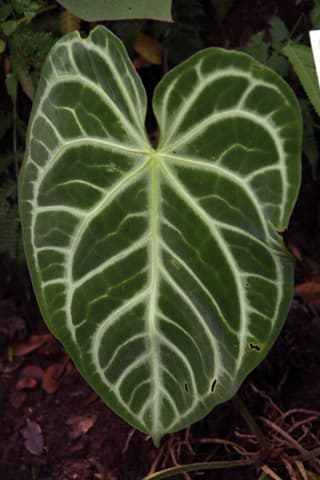
| Crystal Anthurium | Hard | Partial shade | 7d | ⚠️ |