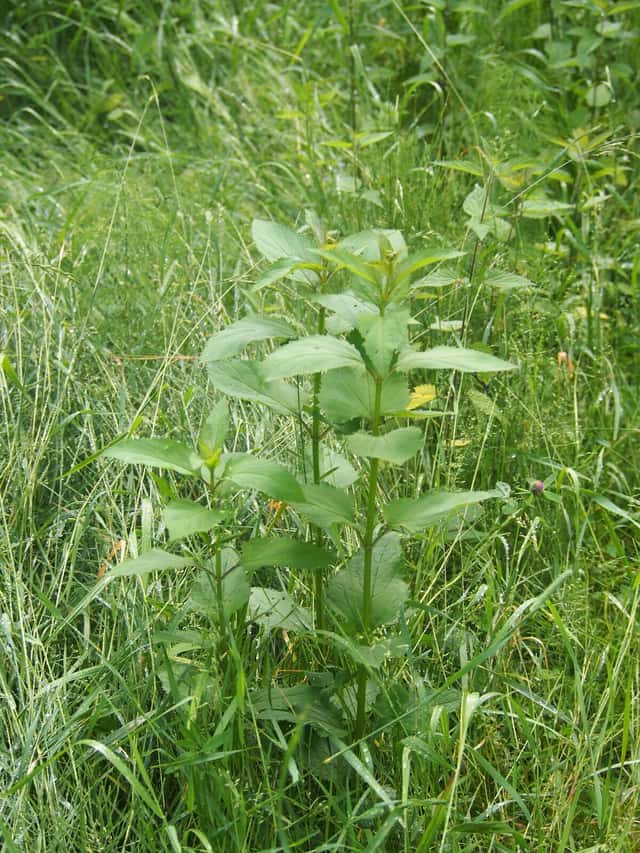
Scrophulariaceae
Figworts (Scrophularia)
Scrophularia
An easy outdoor perennial for partial shade or sun in soil that stays moist and rich. It comes back each year from the rhizome; cut the dead stems down in late autumn.
Every 3 days
Partial shade
-15° - 30°C
50% - 90%
Categories
What is Figworts?
Figworts (Scrophularia) is a easy-care plant from the Scrophulariaceae family. Figworts are the plants of the genus Scrophularia, herbaceous perennials from Europe, Asia and North America that grow along woodland edges, hedgerows and stream banks. They have upright square stems, opposite toothed leaves and, from summer into autumn, loose panicles of small rounded maroon-brown...
Figworts grows up to 1.2m, spread of 60cm, watering every 3 days, -15°C – 30°C, 50–90% humidity. It is not suitable for indoor environments and safe for pets.
Unlike many tropical plants, Figworts tolerates watering mistakes. Best for beginners. Unlike many popular species, Figworts is safe to keep around pets.
How to Care for Figworts?
TLDR: Figworts needs Partial shade, watering every 3 days, and temperatures between -15-30°C with 50-90% humidity.
How Often Should You Water Figworts?
Keep the soil moist at all times, watering every 2 to 4 days in hot weather. S. auriculata tolerates wet, boggy soil at pond edges; S. nodosa copes with short dry spells once established.
How Much Light Does Figworts Need?
Prefers dappled light or partial shade but takes full sun if the soil does not dry out. In deep shade it flowers poorly.
What Is the Best Soil for Figworts?
Fertile, moist clay or loam with a slightly acidic to alkaline pH (5.5 to 7.5). Avoid fast-draining sandy soil unless you can water often.
What Pot Should You Use for Figworts?
In a container, use a large, deep pot (30 litres or more) and keep it well watered; figworts do best planted straight in the ground.
What Is Figworts and Where Does It Come From?
Figworts are the plants of the genus Scrophularia, herbaceous perennials from Europe, Asia and North America that grow along woodland edges, hedgerows and stream banks. They have upright square stems, opposite toothed leaves and, from summer into autumn, loose panicles of small rounded maroon-brown flowers that wasps and bees visit constantly. The most grown species are S. nodosa and S. auriculata, whose variegated form is planted at pond margins.
How to Propagate Figworts?
Sowing seed
The seed is tiny, so mix it with a little sand to spread it evenly. Figworts also self-seed readily.
- 1 Sow in spring or autumn in a tray of moist seed compost
- 2 Cover the seed with a very thin layer of compost
- 3 Keep moist in a bright, cool spot
- 4 Plant seedlings out once they have 4 to 6 leaves
Materials needed:
Rhizome division
Division is the only way to keep variegated forms true, since they do not come true from seed.
- 1 In spring, carefully lift the clump
- 2 Split the rhizome into pieces with at least one shoot each
- 3 Replant at the same depth in moist soil
- 4 Water well over the following weeks
Materials needed:
How Big Does Figworts Grow?
TLDR: Figworts can reach up to 1.2m tall with Medium growth rate.
Max height
1.2m
Spread
60cm
Growth rate
Medium
Foliage
Deciduous
Plant Uses
Ornamental
Great for decoration
Medicinal
Medicinal properties
Medicinal Uses
- Traditionally used as an anti-inflammatory and alterative
- Applied externally for eczema and skin conditions in folk herbalism
Is your plant showing symptoms?
Click on the symptom to discover possible causes:
What Diseases Commonly Affect Figworts?
TLDR: Figworts is susceptible to 6 known diseases. Monitor regularly for early detection.
Curculionidae
Curculionidae (weevils) are small beetles that feed on plants. Adults chew leaf margins, leaving crescent-shaped notches, primarily at night. The larvae live in the substrate and consume roots, causing decline, yellowing, and wilting even when the substrate is moist, and in severe cases, plant death. They frequently affect ornamentals and garden plants such as strawberries, citrus, roses, hydrangeas, azaleas, blueberries, begonias, and many potted plants.
Caterpillars
Caterpillars are the larval stage of moths and butterflies that feed voraciously on plant foliage, stems, flowers, and fruits. Common species include cabbage loopers, tomato hornworms, armyworms, and cutworms. These pests can cause extensive damage by consuming large amounts of plant tissue in a short time. They vary in size from small (1/4 inch) to large (5 inches), with colors ranging from green to brown, often featuring stripes or spots. Caterpillars are highly mobile and can quickly spread throughout gardens, making them one of the most destructive common pests.
Slugs and Snails
Slugs and snails are mollusks that feed on plant tissue, causing irregular holes in leaves and damage to young seedlings. They are most active at night and in moist conditions, leaving characteristic silvery slime trails. These pests can quickly devastate gardens, especially during wet seasons.
Leaf Spot
Leaf spot is a common fungal disease caused by various pathogens including Alternaria, Ascochyta, Colletotrichum, Septoria, and Venturia. It primarily affects leaves, causing discolored spots that can lead to premature leaf drop if left untreated.
Meaning & Symbolism
The name comes from scrofula: under the doctrine of signatures, the knobbly rhizome was taken to resemble swollen glands, and the plant became a traditional remedy for skin and gland complaints.
Fun Facts
Figwort flowers are pollinated mainly by wasps, which is unusual among garden plants.
The genus has more than 200 species, most of them in Europe and Asia.
The rhizome of S. nodosa forms knots like small tubers, which is where the name "nodosa" comes from.
Frequently asked questions
Do figworts like sun or shade?
How often should I water figwort?
Is figwort poisonous?
Why are my figwort leaves full of holes?
Compare with similar plants
| Attribute | Difficulty | Light | Watering | Pet Safe |
|---|---|---|---|---|
| Field Maple | Easy | Bright indirect | 14d | ✓ |
| Iberian Houseleek | Easy | Direct sun | 14d | ✓ |
| Silver Birch | Easy | Direct sun | 14d | ✓ |
| Common Blanketflower | Easy | Direct sun | 10d | ✓ |
Choose & Compare
Sources & References
- RHS - Scrophularia nodosa
- PFAF - Scrophularia nodosa (Knotted Figwort)
- NC State Extension Plant Toolbox - Scrophularia marilandica
- Turfonline - Common Figwort (Scrophularia nodosa)
- BioInfo UK - Scrophularia nodosa feeders
- Figwort weevil (Cionus scrophulariae)
- Temperate Plants Database - Scrophularia umbrosa (livestock toxicity)





