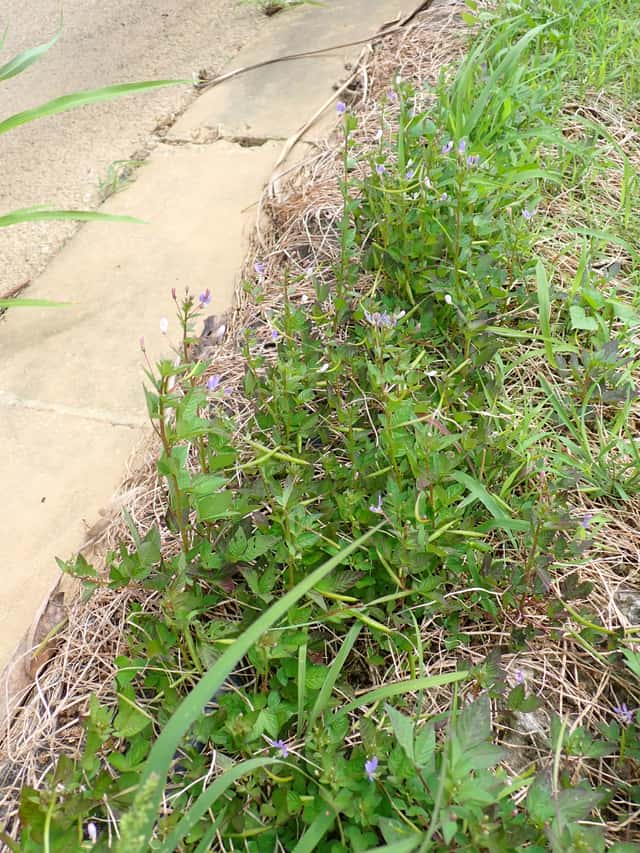
Cleomaceae
Fringed spiderflower: Ground Cover Plant
Cleome rutidosperma
The fringed spiderflower is an undemanding, fast-growing plant that thrives best in full light and well-draining, nutrient-rich soil. It requires regular but moderate watering: allow the top layer of soil to dry out between waterings. It prefers warm temperatures, at least above 15°C (59°F), and moderate humidity, behaving as a frost-sensitive annual.
Every 5 days
Direct sun
15° - 35°C
40% - 70%
Categories
What is Fringed spiderflower?
Fringed spiderflower (Cleome rutidosperma) is a easy-care plant from the Cleomaceae family. The fringed spiderflower (Cleome rutidosperma) is an annual herbaceous plant in the Cleomaceae family, native to the coastal regions of West Africa, but now naturalized across much of tropical and subtropical Asia, Africa, and Australia. Its branched, erect, or decumbent stems bear trifoliate, rhomb...
Fringed spiderflower grows up to 90cm, spread of 50cm, watering every 5 days, 15°C – 35°C, 40–70% humidity. It is not suitable for indoor environments and safe for pets.
Unlike many tropical plants, Fringed spiderflower tolerates watering mistakes. Best for beginners. Unlike many popular species, Fringed spiderflower is safe to keep around pets.
How to Care for Fringed spiderflower?
TLDR: Fringed spiderflower needs Direct sun, watering every 5 days, and temperatures between 15-35°C with 40-70% humidity.
How Often Should You Water Fringed spiderflower?
Water regularly, but wait until the top 2-3 cm of soil has dried out before watering again - stagnant moisture can lead to root rot.
How Much Light Does Fringed spiderflower Need?
Requires full, direct sunlight - provide at least 6 hours of direct sun daily, as it flowers poorly and becomes leggy in the shade.
What Is the Best Soil for Fringed spiderflower?
Prefers well-draining, loose, humus-rich soil with a slightly acidic to neutral pH (5.5-7.5); it easily becomes diseased in heavy, waterlogged soil.
What Pot Should You Use for Fringed spiderflower?
If growing in a pot, choose a clay or terracotta pot with ample drainage holes, which helps evaporate excess moisture and prevent root rot.
Care Schedule
Fertilize
Every 30 days
Repot
Every 365 days
What Is Fringed spiderflower and Where Does It Come From?
The fringed spiderflower (Cleome rutidosperma) is an annual herbaceous plant in the Cleomaceae family, native to the coastal regions of West Africa, but now naturalized across much of tropical and subtropical Asia, Africa, and Australia. Its branched, erect, or decumbent stems bear trifoliate, rhomboid leaflets. Its small flowers, measuring only 1 cm in diameter, are violet or blue, distinguished by four upward-pointing petals and six white filaments with black tips. Following pollination, narrow, pointed seed pods 5-7 cm long develop, ripening up to thousands of tiny black seeds. Due to its rapid growth and prolific seed production, it is considered a weed in many tropical agricultural areas, but when planted as an ornamental, it provides a lasting, brightly colored floral display throughout the summer.
How to Propagate Fringed spiderflower?
Seed Sowing
Seeds germinate best in light, so cover them with only a very thin layer of soil or not at all; the plant self-seeds prolifically, often reseeding itself after one season.
- 1 Collect seeds from mature, brown-to-black colored seed pods
- 2 Sow seeds on the soil surface, as they need light for germination, so do not cover them deeply
- 3 Keep the soil consistently moist in a warm (20-25°C) location until germination
- 4 After germination, when seedlings reach a height of 5-8 cm, thin them out or transplant them to their final location
Materials needed:
How Big Does Fringed spiderflower Grow?
TLDR: Fringed spiderflower can reach up to 90cm tall with Fast growth rate.
Max height
90cm
Spread
50cm
Growth rate
Fast
Foliage
Deciduous
Plant Uses
Ornamental
Great for decoration
Edible
Can be consumed
Medicinal
Medicinal properties
Ground Cover
Soil coverage
Medicinal Uses
- Used in traditional African and Asian folk medicine to treat ear infections
- Applied to soothe convulsions and inflammation
- Used topically to relieve skin irritation and heat rash
- Roots are utilized as an anthelmintic and analgesic
- Research has shown moderate anti-malarial effects
Culinary Uses
- Young leaves can be eaten cooked as a vegetable in West Africa and India
- Used as a flavoring herb in soups and other cooked dishes
Is your plant showing symptoms?
Click on the symptom to discover possible causes:
What Diseases Commonly Affect Fringed spiderflower?
TLDR: Fringed spiderflower is susceptible to 6 known diseases. Monitor regularly for early detection.
Aphids
Aphids are small, soft-bodied, pear-shaped insects (1/16 to 1/8 inch long) that feed by sucking nutrient-rich sap from plants. They reproduce rapidly and can quickly weaken plants, causing distorted growth and transmitting plant viruses. Aphids come in various colors including green, black, red, yellow, brown, and gray. They secrete honeydew, a sticky substance that attracts ants and encourages sooty mold growth.
Spider Mites
Spider mites are tiny arachnids (less than 1/20 inch long) related to spiders and ticks that feed on plant sap. They thrive in hot, dry conditions and can cause significant damage to ornamental and vegetable plants. During severe infestations, crop losses can reach 14% or higher as these pests disrupt vital plant processes including photosynthesis, carbon dioxide absorption, and transpiration.
Whiteflies
Whiteflies are small, soft-bodied, winged insects closely related to aphids and mealybugs. They are moth-like in appearance, about 1/16 inch long, triangular in shape, and gray-white in color. These sap-sucking pests feed on plant tissue, causing yellowing, stunted growth, and wilting. They also excrete honeydew, which attracts ants and promotes sooty mold growth. Whiteflies can transmit serious plant viruses.
Powdery Mildew
Powdery mildew is a common fungal disease caused by various fungi species including Erysiphe, Podosphaera, Oïdium, and Leveillula. It affects over 10,000 plant species worldwide. The disease thrives in warm, dry climates with high humidity and appears as a distinctive white powdery coating on plant surfaces.
Meaning & Symbolism
Due to its rapid colonizing and highly adaptable nature, the fringed spiderflower is considered a symbol of vitality, flexibility, and persistent survival - blooming even in the harshest, drying soils.
Compare with similar plants
| Attribute | Difficulty | Light | Watering | Pet Safe |
|---|---|---|---|---|
| Field Maple | Easy | Bright indirect | 14d | ✓ |
| Silver Birch | Easy | Direct sun | 14d | ✓ |
| Common Blanketflower | Easy | Direct sun | 10d | ✓ |
| Cushion Bush | Easy | Direct sun | 14d | ✓ |





