Crassulaceae
Globe Houseleek (Sempervivum globiferum): The Ultimate Care Guide
Sempervivum globiferum
An extremely low-maintenance succulent ideal for rock gardens, green roofs, and containers. Water sparingly every 10–14 days in summer and barely at all in winter. Provide full sun and excellent drainage above all else.
Every 12 days
Direct sun
-29° - 35°C
10% - 40%
Categories
What is Globe Houseleek?
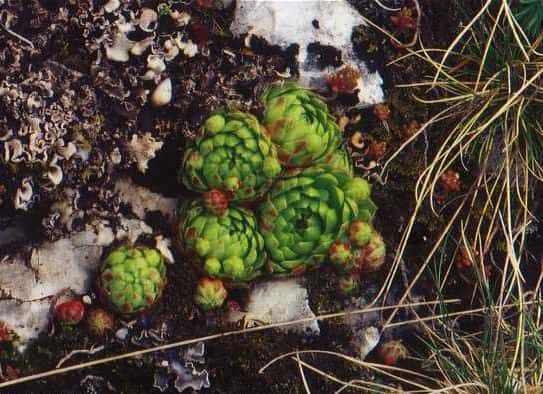
Globe Houseleek (Sempervivum globiferum) is a easy-care plant from the Crassulaceae family. Sempervivum globiferum, commonly known as Globe Houseleek or Rolling Hen and Chicks, is a charming alpine succulent native to the mountains of Central and Eastern Europe. It forms tight, globe-shaped rosettes of fleshy green leaves that often blush red under stress. Unlike most sempervivums, its off...
Globe Houseleek grows up to 8cm, spread of 30cm, watering every 12 days, -29°C – 35°C, 10–40% humidity. It is suitable for indoor environments and safe for pets.
Unlike many tropical plants, Globe Houseleek tolerates watering mistakes. Best for beginners. Unlike many popular species, Globe Houseleek is safe to keep around pets. Without adequate drainage, root rot can develop within 24 days.
How to Care for Globe Houseleek?
TLDR: Globe Houseleek needs Direct sun, watering every 12 days, and temperatures between -29-35°C with 10-40% humidity.
How Often Should You Water Globe Houseleek?
Use the soak-and-dry method: water deeply, then wait until the soil is completely dry before watering again. In winter, reduce to once a month or less. Overwatering is the leading cause of death.
How Much Light Does Globe Houseleek Need?
Provide at least 6 hours of direct sunlight daily. A south- or west-facing spot outdoors or a bright windowsill indoors is ideal. Insufficient light causes etiolation and weakens the plant.
What Is the Best Soil for Globe Houseleek?
Plant in a gritty, well-draining mix — 50% coarse perlite or grit with 50% succulent potting soil. Never use heavy, moisture-retaining soils. Terracotta pots help wick away excess moisture.
What Pot Should You Use for Globe Houseleek?
Shallow terracotta or unglazed clay pots, alpine troughs, or rock garden crevices. Excellent drainage is more important than pot depth. Wide, shallow containers suit the spreading rosette clusters best.
Care Schedule
Fertilize
Every 90 days
Repot
Every 730 days
What Is Globe Houseleek and Where Does It Come From?
Sempervivum globiferum, commonly known as Globe Houseleek or Rolling Hen and Chicks, is a charming alpine succulent native to the mountains of Central and Eastern Europe. It forms tight, globe-shaped rosettes of fleshy green leaves that often blush red under stress. Unlike most sempervivums, its offsets naturally detach and roll away to root independently — giving rise to the delightful common name "Rollers". A monocarpic plant, each rosette dies after flowering but is quickly replaced by its many chicks.
How to Propagate Globe Houseleek?
Offset Division
Sempervivum globiferum offsets often roll away on their own — simply collect them and place on soil. Do not water until roots have formed.
- 1 Wait for chicks to naturally detach or gently twist them off the mother rosette
- 2 Allow the offset to dry for 1-2 days to callous the base
- 3 Place on top of dry, well-draining succulent mix without burying the base
- 4 Mist lightly every few days until roots establish
- 5 Reduce watering once new growth is visible
Materials needed:
How Big Does Globe Houseleek Grow?
TLDR: Globe Houseleek can reach up to 8cm tall with Slow growth rate.
Max height
8cm
Spread
30cm
Growth rate
Slow
Foliage
Evergreen
Plant Uses
Ornamental
Great for decoration
Ground Cover
Soil coverage
Is your plant showing symptoms?
Click on the symptom to discover possible causes:
What Diseases Commonly Affect Globe Houseleek?
TLDR: Globe Houseleek is susceptible to 6 known diseases. Monitor regularly for early detection.
Root Rot
Root rot is a serious fungal disease that affects the root system of plants, causing them to decay and die. It is primarily caused by overwatering, poor drainage, or soil-borne fungi such as Pythium, Phytophthora, Rhizoctonia, and Fusarium. The disease thrives in waterlogged conditions where roots are deprived of oxygen, making them susceptible to fungal infection.
Mealybugs
Mealybugs are small, soft-bodied insects covered with a white, waxy, cottony material. They are common pests of houseplants and outdoor plants in mild climates. These sap-sucking insects feed on plant tissue, causing damage, stunted growth, and can lead to plant death if left untreated. They produce sticky honeydew which attracts sooty mold.
Aphids
Aphids are small, soft-bodied, pear-shaped insects (1/16 to 1/8 inch long) that feed by sucking nutrient-rich sap from plants. They reproduce rapidly and can quickly weaken plants, causing distorted growth and transmitting plant viruses. Aphids come in various colors including green, black, red, yellow, brown, and gray. They secrete honeydew, a sticky substance that attracts ants and encourages sooty mold growth.
Powdery Mildew
Powdery mildew is a common fungal disease caused by various fungi species including Erysiphe, Podosphaera, Oïdium, and Leveillula. It affects over 10,000 plant species worldwide. The disease thrives in warm, dry climates with high humidity and appears as a distinctive white powdery coating on plant surfaces.
Meaning & Symbolism
Symbolises resilience, endurance, and protection. Historically planted on rooftops in Europe to ward off lightning and fire.
Fun Facts
Each rosette dies after flowering, but not before producing dozens of rolling offsets that disperse naturally like marbles.
Native to alpine regions of Europe, it can survive temperatures as low as -29°C (-20°F).
Historically, Sempervivum was planted on thatched rooftops across Europe to protect homes from lightning and fire.
The name Sempervivum means "always alive" in Latin, a testament to its extraordinary resilience.
Frequently asked questions
How often should I water Globe Houseleek?
Can Sempervivum globiferum survive frost?
Is Globe Houseleek toxic to cats or dogs?
Why is it called Rolling Hen and Chicks?
What happens after it flowers?
Compare with similar plants
| Attribute | Difficulty | Light | Watering | Pet Safe |
|---|---|---|---|---|
| Field Maple | Easy | Bright indirect | 14d | ✓ |
| Silver Birch | Easy | Direct sun | 14d | ✓ |
| Common Blanketflower | Easy | Direct sun | 10d | ✓ |
| Cushion Bush | Easy | Direct sun | 14d | ✓ |





