Onagraceae
Great Willowherb (Epilobium hirsutum)
Epilobium hirsutum
An easy, vigorous perennial for wet or boggy garden spots and pond margins. Give it full sun and constantly moist to wet, fertile soil, and expect it to spread readily by rhizome -- plant it where it has room to roam or in a container to control its reach.
Every 3 days
Bright indirect
5° - 28°C
50% - 85%
Categories
What is Great Willowherb?
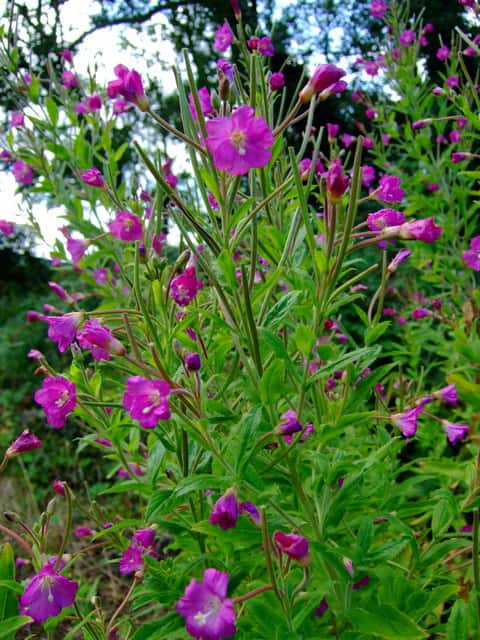
Great Willowherb (Epilobium hirsutum) is a easy-care plant from the Onagraceae family. Great willowherb is a robust, hairy-stemmed perennial native to Europe, North Africa, and temperate Asia. It thrives in wet meadows, riverbanks, and ditches, spreading by rhizomes to form dense stands up to 2 m tall. From June to September it bears soft pink, four-petaled flowers with a pale center,...
Great Willowherb grows up to 2.0m, spread of 150cm, watering every 3 days, 5°C – 28°C, 50–85% humidity. It is not suitable for indoor environments and safe for pets.
Unlike many tropical plants, Great Willowherb tolerates watering mistakes. Best for beginners. Unlike many popular species, Great Willowherb is safe to keep around pets.
How to Care for Great Willowherb?
TLDR: Great Willowherb needs Bright indirect, watering every 3 days, and temperatures between 5-28°C with 50-85% humidity.
How Often Should You Water Great Willowherb?
Keep the soil constantly moist to wet; this riparian plant tolerates brief flooding but will wilt and decline if the ground dries out for long.
How Much Light Does Great Willowherb Need?
Full sun brings the heaviest bloom; it tolerates partial shade but flowers less freely and grows leggier.
What Is the Best Soil for Great Willowherb?
Adapts to sandy, loamy, or clay soils across a wide pH range, from mildly acidic to alkaline, as long as it stays reliably damp.
What Pot Should You Use for Great Willowherb?
Best planted directly in the ground near ponds, streams, or rain gardens. If growing in a container, choose a large, wide pot without strict drainage, standing in a saucer of water, and expect to divide it often to keep the rhizomes in check.
What Is Great Willowherb and Where Does It Come From?
Great willowherb is a robust, hairy-stemmed perennial native to Europe, North Africa, and temperate Asia. It thrives in wet meadows, riverbanks, and ditches, spreading by rhizomes to form dense stands up to 2 m tall. From June to September it bears soft pink, four-petaled flowers with a pale center, much loved by hoverflies and other pollinators, followed by long seed pods that release fluffy, wind-borne seeds.
How to Propagate Great Willowherb?
Rhizome division
Divide every 1-2 years to keep the spread in check and to renew vigor.
- 1 Lift an established clump in spring or autumn
- 2 Pull or cut the rhizome mat into sections, each with roots and at least one shoot
- 3 Replant divisions immediately at the same depth in moist soil
- 4 Water well until new growth appears
Materials needed:
Seed sowing
Fresh seed germinates far more reliably than stored seed.
- 1 Collect seed from ripe, splitting pods in late summer
- 2 Sow immediately or in early spring on the surface of moist, fine soil
- 3 Do not cover, as seeds need light to germinate
- 4 Keep the compost consistently moist until seedlings appear
- 5 Transplant seedlings once they have several true leaves
Materials needed:
How Big Does Great Willowherb Grow?
TLDR: Great Willowherb can reach up to 2.0m tall with Fast growth rate.
Max height
2.0m
Spread
1.5m
Growth rate
Fast
Foliage
Deciduous
Warning: Toxic Plant
This plant can be toxic if ingested. Keep out of reach of:
Plant Uses
Ornamental
Great for decoration
Medicinal
Medicinal properties
Medicinal Uses
- Historically used in European folk herbalism as a tea for prostate and urinary tract complaints
- Used traditionally as an astringent for minor gastrointestinal upset
Culinary Uses
- Young leaves brewed into "kaporie"-style tea in parts of Russia, though caution is advised due to reports of toxicity
Is your plant showing symptoms?
Click on the symptom to discover possible causes:
What Diseases Commonly Affect Great Willowherb?
TLDR: Great Willowherb is susceptible to 5 known diseases. Monitor regularly for early detection.
Aphids
Aphids are small, soft-bodied, pear-shaped insects (1/16 to 1/8 inch long) that feed by sucking nutrient-rich sap from plants. They reproduce rapidly and can quickly weaken plants, causing distorted growth and transmitting plant viruses. Aphids come in various colors including green, black, red, yellow, brown, and gray. They secrete honeydew, a sticky substance that attracts ants and encourages sooty mold growth.
Leaf Spot
Leaf spot is a common fungal disease caused by various pathogens including Alternaria, Ascochyta, Colletotrichum, Septoria, and Venturia. It primarily affects leaves, causing discolored spots that can lead to premature leaf drop if left untreated.
Powdery Mildew
Powdery mildew is a common fungal disease caused by various fungi species including Erysiphe, Podosphaera, Oïdium, and Leveillula. It affects over 10,000 plant species worldwide. The disease thrives in warm, dry climates with high humidity and appears as a distinctive white powdery coating on plant surfaces.
Rust
Rust is a common fungal disease caused by fungi in the order Pucciniales that affects a wide variety of plants. The disease gets its name from the characteristic orange, yellow, or reddish-brown pustules that appear on leaves, resembling metal rust. This obligate fungal parasite requires living plants to survive and can cause significant economic losses in agricultural crops.
Meaning & Symbolism
A vigorous coloniser of riverbanks, ditches and disturbed wet ground, great willowherb symbolizes resilience and untamed vitality -- it moves into scarred, waterlogged, or neglected soil and turns it into a stand of soft pink bloom. Its old folk names, "codlins and cream" and "apple pie", speak to a homely, comforting presence despite its wild, spreading habit, while its long medicinal history treating inflammation reflects a quiet, persistent healing power.
Fun Facts
Its old English folk names, "codlins and cream" and "apple pie", come from the faint scent some say its crushed leaves give off
In Russia, the leaves have long been dried and brewed into a tea known as kaporie tea
The elephant hawkmoth caterpillar feeds on its leaves
Frequently asked questions
Is great willowherb invasive?
Does great willowherb need a pond to grow?
Is great willowherb toxic to pets?
How do I stop it from spreading too much?
Compare with similar plants
| Attribute | Difficulty | Light | Watering | Pet Safe |
|---|---|---|---|---|
| Field Maple | Easy | Bright indirect | 14d | ✓ |
| Silver Birch | Easy | Direct sun | 14d | ✓ |
| Common Blanketflower | Easy | Direct sun | 10d | ✓ |
| Cushion Bush | Easy | Direct sun | 14d | ✓ |
Choose & Compare
Sources & References
- Epilobium hirsutum | great willowherb - RHS
- Epilobium hirsutum - Wikipedia
- Epilobium hirsutum (Hairy Willowherb) - NC State Extension Gardener Plant Toolbox
- Epilobium hirsutum (Codlins And Cream) - Practical Plants
- Epilobium hirsutum - Plants For A Future
- Toxic and Non-toxic Plants: Willow Herb - ASPCA
- Shedding Light into the Connection between Chemical Components and Biological Effects of Extracts from Epilobium hirsutum - PMC





