Ranunculaceae
Green Hellebore (Helleborus viridis) Care Guide
Helleborus viridis
Grow in part shade in fertile, humus-rich soil that holds moisture but drains well, ideally neutral to chalky. Shelter from strong cold winds, mulch with compost in autumn and remove old or spotted leaves in late winter. Avoid moving it: it establishes slowly and dislikes transplanting. Wear gloves when handling.
Every 7 days
Partial shade
-20° - 28°C
40% - 80%
Categories
What is Green Hellebore?
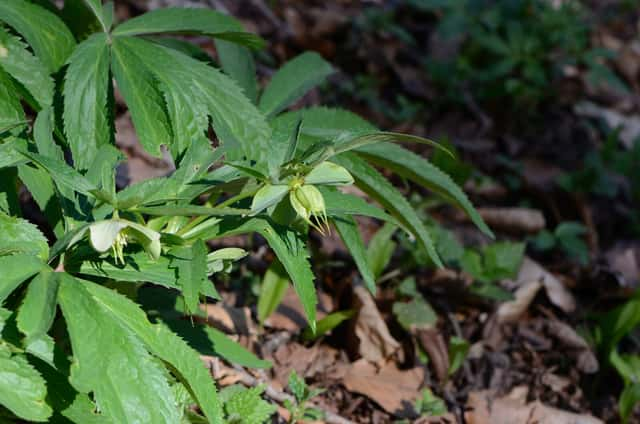
Green Hellebore (Helleborus viridis) is a easy-care plant from the Ranunculaceae family. Helleborus viridis is a herbaceous perennial in the family Ranunculaceae, native to the woodlands of western and central Europe. It forms low clumps of palmate leaves that die back in winter, and from late winter to early spring it bears nodding, cup-shaped, pale green flowers. It is a quiet plant,...
Green Hellebore grows up to 40cm, spread of 45cm, watering every 7 days, -20°C – 28°C, 40–80% humidity. It is not suitable for indoor environments and not safe for pets.
Unlike many tropical plants, Green Hellebore tolerates watering mistakes. Best for beginners. Without precautions, ingestion can cause irritation in pets. Keep out of reach of cats and dogs.
How to Care for Green Hellebore?
TLDR: Green Hellebore needs Partial shade, watering every 7 days, and temperatures between -20-28°C with 40-80% humidity.
How Often Should You Water Green Hellebore?
Water about once a week in spring and in dry spells, keeping the soil lightly moist. Do not let it become waterlogged, especially in winter.
How Much Light Does Green Hellebore Need?
Prefers part shade or the dappled shade of deciduous trees. Tolerates sun if the soil stays moist.
What Is the Best Soil for Green Hellebore?
Fertile, humus-rich, well-drained soil, neutral to alkaline. Copes well with heavy clay.
What Pot Should You Use for Green Hellebore?
Deep pot of 30 cm or more with good drainage; it prefers to be planted in the ground.
Care Schedule
Fertilize
Every 90 days
What Is Green Hellebore and Where Does It Come From?
Helleborus viridis is a herbaceous perennial in the family Ranunculaceae, native to the woodlands of western and central Europe. It forms low clumps of palmate leaves that die back in winter, and from late winter to early spring it bears nodding, cup-shaped, pale green flowers. It is a quiet plant, popular in shade gardens and naturalistic woodland plantings. All parts are highly poisonous.
How to Propagate Green Hellebore?
Seed
Fresh seed germinates far better; dry seed can take over a year. Seedlings flower after 2 to 3 years.
- 1 Collect the seed as soon as it ripens in early summer
- 2 Sow straight away in moist seed mix
- 3 Leave the tray outdoors in shade so it gets winter cold
- 4 Prick out seedlings once they have two true leaves
Materials needed:
Clump division
Only divide large, established clumps; the plant may take a year to flower well again.
- 1 Wearing gloves, lift the clump carefully
- 2 Split into pieces with several buds and good roots
- 3 Replant at the same depth in rich soil
- 4 Water and mulch with compost
Materials needed:
How Big Does Green Hellebore Grow?
TLDR: Green Hellebore can reach up to 40cm tall with Slow growth rate.
Max height
40cm
Spread
45cm
Growth rate
Slow
Foliage
Deciduous
Warning: Toxic Plant
This plant can be toxic if ingested. Keep out of reach of:
Plant Uses
Ornamental
Great for decoration
Is your plant showing symptoms?
Click on the symptom to discover possible causes:
What Diseases Commonly Affect Green Hellebore?
TLDR: Green Hellebore is susceptible to 7 known diseases. Monitor regularly for early detection.
Aphids
Aphids are small, soft-bodied, pear-shaped insects (1/16 to 1/8 inch long) that feed by sucking nutrient-rich sap from plants. They reproduce rapidly and can quickly weaken plants, causing distorted growth and transmitting plant viruses. Aphids come in various colors including green, black, red, yellow, brown, and gray. They secrete honeydew, a sticky substance that attracts ants and encourages sooty mold growth.
leaf miners
Larval stages of leaf-mining insects are feeding on the leaf tissue of plants, building little tunnels under the leaf surface.
Slugs and Snails
Slugs and snails are mollusks that feed on plant tissue, causing irregular holes in leaves and damage to young seedlings. They are most active at night and in moist conditions, leaving characteristic silvery slime trails. These pests can quickly devastate gardens, especially during wet seasons.
Leaf Spot
Leaf spot is a common fungal disease caused by various pathogens including Alternaria, Ascochyta, Colletotrichum, Septoria, and Venturia. It primarily affects leaves, causing discolored spots that can lead to premature leaf drop if left untreated.
Fun Facts
The leaves die back in winter and the flowers open before the new foliage.
It was used in ancient medicine, but it is so poisonous that no home use is recommended today.
Its green flowers are pollinated by bees and bumblebees early in the year.
Frequently asked questions
Is green hellebore toxic to cats and dogs?
How often should I water Helleborus viridis?
When does green hellebore flower?
Why does my green hellebore have black spots on the leaves?
Compare with similar plants
| Attribute | Difficulty | Light | Watering | Pet Safe |
|---|---|---|---|---|
| Field Maple | Easy | Bright indirect | 14d | ✓ |
| Iberian Houseleek | Easy | Direct sun | 14d | ✓ |
| Silver Birch | Easy | Direct sun | 14d | ✓ |
| Common Blanketflower | Easy | Direct sun | 10d | ✓ |





