Orchidaceae
Epipactis (Helleborine)
Epipactis
Epipactis orchids are low-maintenance once established in the right outdoor spot, but they are not candidates for pot or houseplant culture. Plant in humus-rich, moisture-retentive soil in a lightly shaded woodland setting, keep the ground consistently moist without waterlogging, and avoid disturbing the root zone, since the plant depends on a fungal partner living in the surrounding soil.
Every 4 days
Partial shade
° - °C
% - %
Categories
What is Helleborine?
Helleborine (Epipactis) is a hard-care plant from the Orchidaceae family. Epipactis is a genus of roughly 54 accepted terrestrial orchid species found across the temperate and subtropical regions of Europe, Asia, North Africa, and North America. Unlike the tropical epiphytic orchids seen in most collections, Epipactis species grow directly in the ground from creeping, fle...
Helleborine grows up to 1.0m, watering every 4 days. It is not suitable for indoor environments and safe for pets.
Unlike easy-care plants, Helleborine demands constant attention to humidity and light. Not recommended for beginners. Unlike many popular species, Helleborine is safe to keep around pets.
How to Care for Helleborine?
TLDR: Helleborine needs Partial shade, watering every 4 days, and temperatures between 15-30°C with 40-70% humidity.
How Often Should You Water Helleborine?
Keep the soil evenly moist at all times, especially through the spring and summer growing season - Epipactis roots dislike drying out but also suffer in stagnant, waterlogged ground, so good drainage paired with regular moisture works best.
How Much Light Does Helleborine Need?
Provide dappled or partial shade similar to a woodland floor; deep shade is tolerated but tends to reduce flowering, while too much direct sun can stress the plant in hot climates.
What Is the Best Soil for Helleborine?
Use a humus-rich, well-draining soil amended with leaf mold or compost, with a pH from roughly neutral to mildly acidic or alkaline depending on the species; most importantly, avoid sterilizing or heavily disturbing the soil, since the resident mycorrhizal fungi the plant depends on live there.
What Pot Should You Use for Helleborine?
Container growing is not recommended for Epipactis species, since they depend on an intact mycorrhizal fungal network in garden soil; if grown at all in cultivation, plant directly in the ground in a shaded woodland bed rather than in a pot.
Care Schedule
Fertilize
Every 180 days
What Is Helleborine and Where Does It Come From?
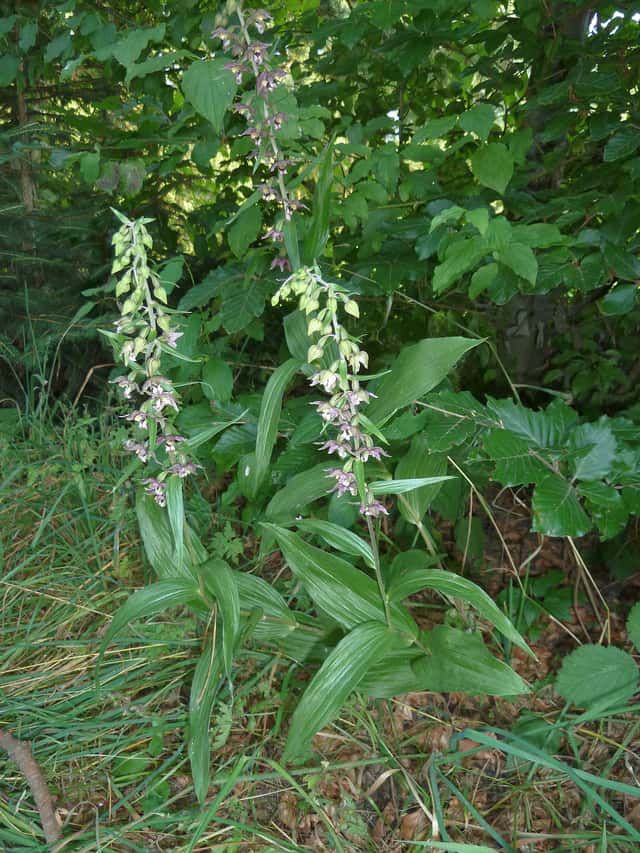
Epipactis is a genus of roughly 54 accepted terrestrial orchid species found across the temperate and subtropical regions of Europe, Asia, North Africa, and North America. Unlike the tropical epiphytic orchids seen in most collections, Epipactis species grow directly in the ground from creeping, fleshy rhizomes, sending up one or several leafy stems each year from spring through late summer. They favor the dappled light of open woodland, hedgerows, and scrub, though several species - including the North American Stream Orchid (Epipactis gigantea) - are equally at home along the damp margins of streams, springs, and lakes. A defining trait of the genus is its total dependence on mycorrhizal fungi in the soil: seeds carry almost no stored energy and cannot germinate without a fungal partner, and even mature plants rely on this underground relationship to take up nutrients. Flower spikes bear numerous small, often drooping blooms in shades of green, white, purple, and dusky pink, generally opening from midsummer into autumn. The best-known species, Epipactis helleborine, has proven remarkably adaptable, naturalizing far beyond its native Eurasian range and now appearing as a common, sometimes weedy, colonizer of parks, gardens, and city sidewalks in North America. Because of their fungal dependency, Epipactis orchids are considered specialist wild and woodland-garden plants rather than typical houseplants.
How to Propagate Helleborine?
Rhizome division
Because Epipactis depends on a mycorrhizal fungal partner in the soil, transplant divisions into soil taken from near the original plant whenever possible to preserve this relationship, and avoid letting the roots dry out during the move.
- 1 Carefully lift an established clump, keeping as much of the fleshy root system intact as possible.
- 2 Separate the creeping rhizome into sections, ensuring each division has at least 2-3 active growth points.
- 3 Replant divisions immediately in humus-rich, well-draining soil at the same depth as the parent plant.
- 4 Water thoroughly and keep consistently moist until new shoots appear.
Materials needed:
Seed propagation
Seed propagation is unreliable outside of specialist or laboratory (in vitro) conditions because of the obligate mycorrhizal relationship; division is the more practical method for gardeners.
- 1 Collect ripe seed capsules in late summer to autumn once they begin to split.
- 2 Sow seed on or near soil already colonized by compatible mycorrhizal fungi, since Epipactis seed cannot germinate without this fungal partner.
- 3 Leave undisturbed in situ, as the seedlings develop underground for one or more seasons before any growth appears above ground.
- 4 Be patient, flowering plants may take several years to develop from seed.
Materials needed:
How Big Does Helleborine Grow?
TLDR: Helleborine can reach up to 1.0m tall with Fast growth rate.
Max height
1.0m
Growth rate
Fast
Foliage
Deciduous
Plant Uses
Ornamental
Great for decoration
Is your plant showing symptoms?
Click on the symptom to discover possible causes:
What Diseases Commonly Affect Helleborine?
TLDR: Helleborine is susceptible to 3 known diseases. Monitor regularly for early detection.
Aphids
Aphids are small, soft-bodied, pear-shaped insects (1/16 to 1/8 inch long) that feed by sucking nutrient-rich sap from plants. They reproduce rapidly and can quickly weaken plants, causing distorted growth and transmitting plant viruses. Aphids come in various colors including green, black, red, yellow, brown, and gray. They secrete honeydew, a sticky substance that attracts ants and encourages sooty mold growth.
Slugs and Snails
Slugs and snails are mollusks that feed on plant tissue, causing irregular holes in leaves and damage to young seedlings. They are most active at night and in moist conditions, leaving characteristic silvery slime trails. These pests can quickly devastate gardens, especially during wet seasons.
Root Rot
Root rot is a serious fungal disease that affects the root system of plants, causing them to decay and die. It is primarily caused by overwatering, poor drainage, or soil-borne fungi such as Pythium, Phytophthora, Rhizoctonia, and Fusarium. The disease thrives in waterlogged conditions where roots are deprived of oxygen, making them susceptible to fungal infection.
Fun Facts
Some Epipactis flowers produce nectar containing natural narcotic compounds that intoxicate their wasp pollinators.
Every Epipactis seed needs a partnership with a specific soil fungus just to germinate.
Epipactis helleborine is one of Europe's most successful colonizers, growing from woodland floors to cracks in city sidewalks.
Frequently asked questions
Can Epipactis orchids be grown indoors?
How much light do Epipactis orchids need?
Are Epipactis orchids invasive?
What pests or problems affect Epipactis?
Compare with similar plants
| Attribute | Difficulty | Light | Watering | Pet Safe |
|---|---|---|---|---|
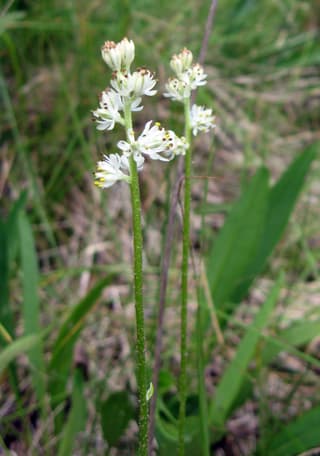
| Sticky false asphodel | Hard | Bright indirect | 1d | ✓ |
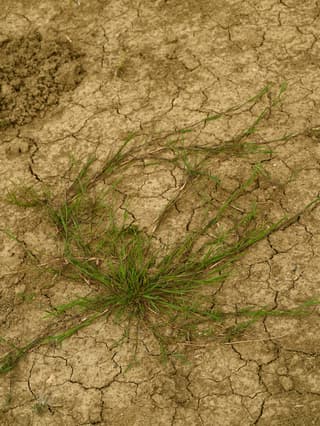
| Creeping bentgrass | Hard | Direct sun | 3d | ✓ |
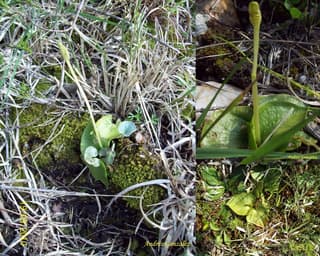
| Bulbous Adder's-tongue | Hard | Partial shade | 4d | ✓ |
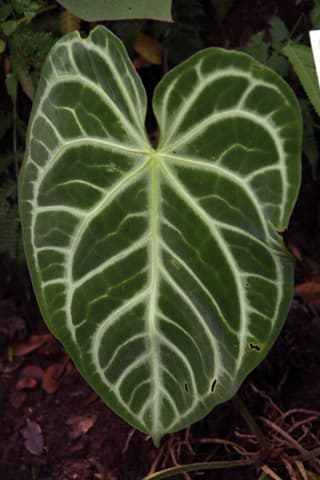
| Crystal Anthurium | Hard | Partial shade | 7d | ⚠️ |