Berberidaceae
Himalayan Mayapple: Edible Plant
Podophyllum hexandrum
Himalayan Mayapple prefers woodland-like conditions: partial to full shade, consistently moist, humus-rich, and well-drained soil, and a cool to temperate climate. The plant is slow-growing and takes several years to establish, but is very long-lived under the right conditions. Because the entire plant is poisonous, it is better suited for a secluded garden bed rather than a home garden where children or pets roam.
Every 3 days
Low light
-20° - 25°C
60% - 85%
Categories
What is Himalayan Mayapple?
Himalayan Mayapple (Podophyllum hexandrum) is a hard-care plant from the Berberidaceae family. The Himalayan Mayapple (Podophyllum hexandrum, synonym Sinopodophyllum hexandrum) is a perennial herbaceous plant in the barberry family (Berberidaceae), native to the Himalayan mountains at altitudes of 2,400–4,500 m in China, Afghanistan, Bhutan, India, Kashmir, Nepal, and Pakistan. In spring, the...
Himalayan Mayapple grows up to 50cm, spread of 30cm, watering every 3 days, -20°C – 25°C, 60–85% humidity. It is not suitable for indoor environments and not safe for pets.
Unlike easy-care plants, Himalayan Mayapple demands constant attention to humidity and light. Not recommended for beginners. Without precautions, ingestion can cause irritation in pets. Keep out of reach of cats and dogs.
How to Care for Himalayan Mayapple?
TLDR: Himalayan Mayapple needs Low light, watering every 3 days, and temperatures between -20-25°C with 60-85% humidity.
How Often Should You Water Himalayan Mayapple?
Keep the soil consistently moist but not waterlogged—Himalayan Mayapple does not tolerate drought or drying out, but overwatering promotes root rot. Water more frequently during the warm growing season and less during winter dormancy.
How Much Light Does Himalayan Mayapple Need?
Grow in partial or full shade with dappled light—similar to a forest understory. Direct midday sun will scorch the delicate leaves and dry out the soil too quickly.
What Is the Best Soil for Himalayan Mayapple?
Requires humus-rich, peaty, very moist yet well-drained soil with a pH of about 5.5–7. Forest soil with added leaf mold and compost is ideal; standing water must be strictly avoided.
What Pot Should You Use for Himalayan Mayapple?
If growing in a pot, choose a deep, well-draining clay or ceramic pot that keeps the soil evenly moist while preventing water stagnation. Due to the rhizome, prefer a wider but sufficiently spacious container.
Care Schedule
Fertilize
Every 90 days
Repot
Every 730 days
What Is Himalayan Mayapple and Where Does It Come From?
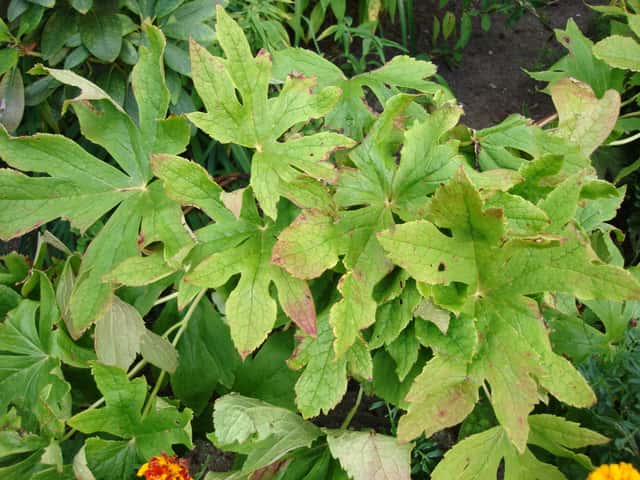
The Himalayan Mayapple (Podophyllum hexandrum, synonym Sinopodophyllum hexandrum) is a perennial herbaceous plant in the barberry family (Berberidaceae), native to the Himalayan mountains at altitudes of 2,400–4,500 m in China, Afghanistan, Bhutan, India, Kashmir, Nepal, and Pakistan. In spring, the plant produces two deeply lobed leaves and a single white to pink flower, followed by a red, berry-like fruit. The plant is extremely toxic—the roots and rhizomes contain podophyllotoxin, which is used to produce cancer drugs (such as etoposide)—therefore, it must be handled with great care and kept far away from children and pets.
How Big Does Himalayan Mayapple Grow?
TLDR: Himalayan Mayapple can reach up to 50cm tall with Slow growth rate.
Max height
50cm
Spread
30cm
Growth rate
Slow
Foliage
Deciduous
Warning: Toxic Plant
This plant can be toxic if ingested. Keep out of reach of:
Plant Uses
Ornamental
Great for decoration
Medicinal
Medicinal properties
Edible
Can be consumed
Medicinal Uses
- Roots and rhizomes contain podophyllotoxin, used in the production of semi-synthetic anticancer drugs (e.g., etoposide, teniposide)
- Used in traditional Asian medicine as a laxative and anti-rheumatic agent
- Used in local folk medicine to treat wounds and tumors - WARNING: extremely toxic, use only under medical supervision
Culinary Uses
- Only the fully ripe fruit is edible—juicy but bland in taste; all other plant parts, including unripe fruits, roots, and leaves, are poisonous and are NOT edible
Is your plant showing symptoms?
Click on the symptom to discover possible causes:
What Diseases Commonly Affect Himalayan Mayapple?
TLDR: Himalayan Mayapple is susceptible to 4 known diseases. Monitor regularly for early detection.
Rust
Rust is a common fungal disease caused by fungi in the order Pucciniales that affects a wide variety of plants. The disease gets its name from the characteristic orange, yellow, or reddish-brown pustules that appear on leaves, resembling metal rust. This obligate fungal parasite requires living plants to survive and can cause significant economic losses in agricultural crops.
Leaf Spot
Leaf spot is a common fungal disease caused by various pathogens including Alternaria, Ascochyta, Colletotrichum, Septoria, and Venturia. It primarily affects leaves, causing discolored spots that can lead to premature leaf drop if left untreated.
Root Rot
Root rot is a serious fungal disease that affects the root system of plants, causing them to decay and die. It is primarily caused by overwatering, poor drainage, or soil-borne fungi such as Pythium, Phytophthora, Rhizoctonia, and Fusarium. The disease thrives in waterlogged conditions where roots are deprived of oxygen, making them susceptible to fungal infection.
Slugs and Snails
Slugs and snails are mollusks that feed on plant tissue, causing irregular holes in leaves and damage to young seedlings. They are most active at night and in moist conditions, leaving characteristic silvery slime trails. These pests can quickly devastate gardens, especially during wet seasons.
Meaning & Symbolism
In the Himalayan mountains, the plant is traditionally considered a symbol of strong healing power and resilience—it grows in harsh high-altitude climates and is simultaneously toxic and medicinal, associating it with the duality of nature: the unity of destructive force and healing power.
Compare with similar plants
| Attribute | Difficulty | Light | Watering | Pet Safe |
|---|---|---|---|---|
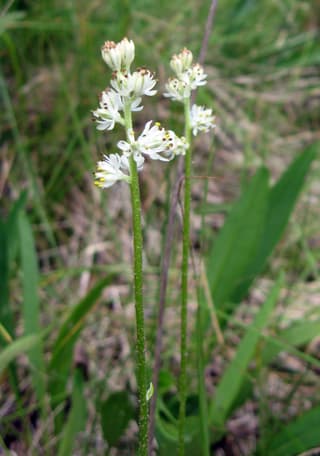
| Sticky false asphodel | Hard | Bright indirect | 1d | ✓ |
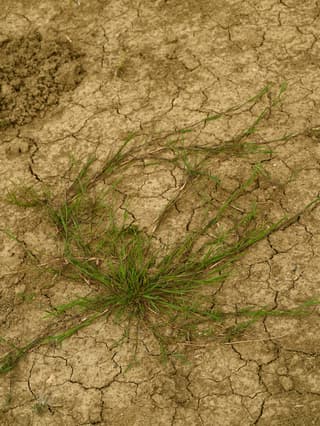
| Creeping bentgrass | Hard | Direct sun | 3d | ✓ |
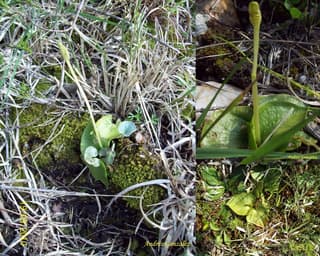
| Bulbous Adder's-tongue | Hard | Partial shade | 4d | ✓ |
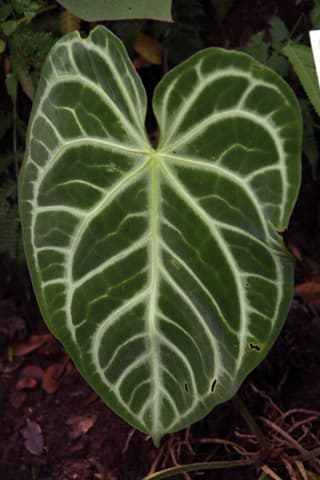
| Crystal Anthurium | Hard | Partial shade | 7d | ⚠️ |