Brassicaceae
Honesty (Lunaria annua): How to Grow and Care for It
Lunaria
Grow Honesty in full sun to partial shade in fertile, well-draining soil. Water regularly to keep the soil evenly moist, but avoid waterlogging since the plant is prone to root rot in soggy conditions. It is a tough, low-maintenance biennial that self-seeds readily.
Every 7 days
Partial shade
5° - 25°C
40% - 70%
Categories
What is Honesty?
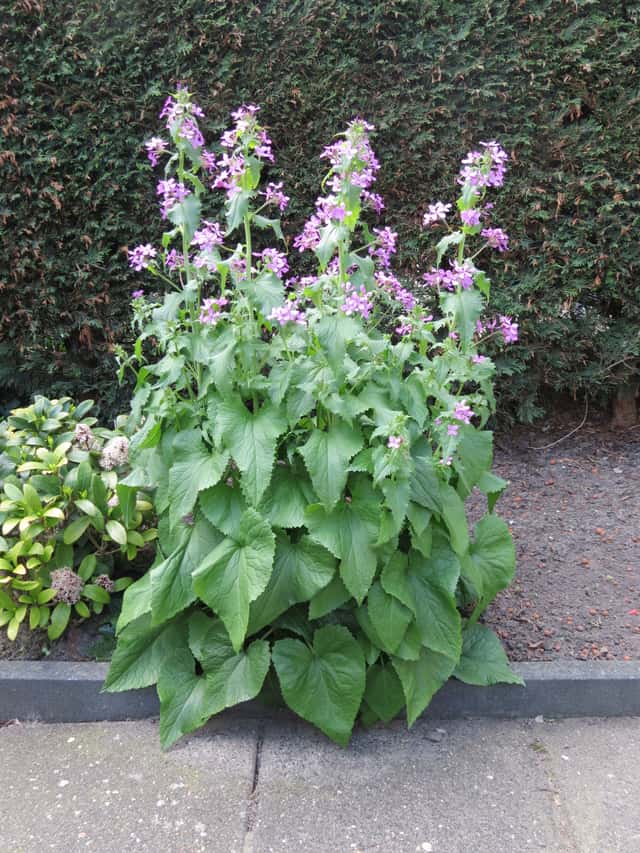
Honesty (Lunaria) is a easy-care plant from the Brassicaceae family. Honesty (Lunaria annua) is a biennial member of the Brassicaceae (cabbage) family, grown in gardens worldwide for its fragrant pink, purple, and white spring flowers and, above all, for its translucent, silvery seed pods that resemble coins or full moons. Native to southeastern Europe and western As...
Honesty grows up to 90cm, spread of 45cm, watering every 7 days, 5°C – 25°C, 40–70% humidity. It is not suitable for indoor environments and safe for pets.
Unlike many tropical plants, Honesty tolerates watering mistakes. Best for beginners. Unlike many popular species, Honesty is safe to keep around pets.
How to Care for Honesty?
TLDR: Honesty needs Partial shade, watering every 7 days, and temperatures between 5-25°C with 40-70% humidity.
How Often Should You Water Honesty?
Keep the soil consistently moist, watering when the top couple of centimeters dry out. Avoid soggy, waterlogged soil, which encourages root rot.
How Much Light Does Honesty Need?
Prefers partial shade, especially in hot climates, but tolerates full sun in cooler regions. Too little light reduces flowering and pod production.
What Is the Best Soil for Honesty?
Use fertile, well-draining soil rich in organic matter, with a pH between 6.0 and 7.5. Compacted or heavy clay soil hampers root development.
What Pot Should You Use for Honesty?
Best grown directly in garden beds; if container growing, choose a deep pot (30 cm/12 in or more) with good drainage, since the plant develops a sensitive taproot.
What Is Honesty and Where Does It Come From?
Honesty (Lunaria annua) is a biennial member of the Brassicaceae (cabbage) family, grown in gardens worldwide for its fragrant pink, purple, and white spring flowers and, above all, for its translucent, silvery seed pods that resemble coins or full moons. Native to southeastern Europe and western Asia, the plant spends its first year as a low rosette of leaves and only flowers in its second year, reaching 60-90 cm tall. After flowering, the flat green seed pods mature and shed their outer layers, revealing a papery, shimmering inner septum prized in dried floral arrangements.
How to Propagate Honesty?
Seed propagation
Avoid transplanting large seedlings, since Honesty has a sensitive taproot and establishes best when sown directly in its final spot.
- 1 Collect seeds from dry, silvery pods in late summer
- 2 Sow directly in the garden bed in fall, since seeds need winter cold stratification
- 3 Keep the soil lightly moist until seedlings emerge in spring
- 4 Thin seedlings to about 30-45 cm apart
- 5 Remember it is biennial: it flowers and sets pods only in its second year
Materials needed:
How Big Does Honesty Grow?
TLDR: Honesty can reach up to 90cm tall with Fast growth rate.
Max height
90cm
Spread
45cm
Growth rate
Fast
Foliage
Deciduous
Plant Uses
Ornamental
Great for decoration
Is your plant showing symptoms?
Click on the symptom to discover possible causes:
What Diseases Commonly Affect Honesty?
TLDR: Honesty is susceptible to 5 known diseases. Monitor regularly for early detection.
Downy Mildew
Downy mildew is a fungal-like disease caused by oomycetes (water molds) that thrives in cool, wet conditions. It affects a wide range of plants, causing yellowing leaves with fuzzy white-gray growth underneath, leading to defoliation and reduced yields if left untreated.
White Rust
Aphids
Aphids are small, soft-bodied, pear-shaped insects (1/16 to 1/8 inch long) that feed by sucking nutrient-rich sap from plants. They reproduce rapidly and can quickly weaken plants, causing distorted growth and transmitting plant viruses. Aphids come in various colors including green, black, red, yellow, brown, and gray. They secrete honeydew, a sticky substance that attracts ants and encourages sooty mold growth.
Septoria Leaf Spot
Septoria leaf spot is a destructive fungal disease caused by Septoria lycopersici, particularly devastating during seasons of moderate temperature and abundant rainfall. The disease starts on lower leaves and progresses upward, causing small circular spots with tan to gray centers and dark brown margins. If left untreated, it can dramatically reduce plant yields and cause complete leaf blight.
Meaning & Symbolism
Represents honesty and sincerity; its translucent, coin-like or moon-like silver seed pods are also linked to prosperity and good fortune, giving rise to the common nickname "money plant."
Fun Facts
The translucent silver seed pods of Honesty, which resemble coins or full moons, inspired its nicknames "money plant" and "silver dollar plant."
It is a biennial: it only grows leaves in its first year and flowers and sets seed in its second.
The dried seed pods are a florist favorite, keeping their shimmering look for years in arrangements.
Honesty self-seeds readily and can naturalize along garden borders and partly shaded woodland edges.
Frequently asked questions
Is Honesty toxic to cats and dogs?
Why has my Honesty plant not flowered yet?
How do I preserve the silvery seed pods?
Does Honesty need a lot of water?
What diseases most commonly affect Honesty?
Compare with similar plants
| Attribute | Difficulty | Light | Watering | Pet Safe |
|---|---|---|---|---|
| Field Maple | Easy | Bright indirect | 14d | ✓ |
| Silver Birch | Easy | Direct sun | 14d | ✓ |
| Common Blanketflower | Easy | Direct sun | 10d | ✓ |
| Cushion Bush | Easy | Direct sun | 14d | ✓ |
Choose & Compare
Sources & References
- NC State Extension Gardener Plant Toolbox - Lunaria annua
- Epic Gardening - Silver Dollar Plant (Lunaria Annua)
- ForwardPlant - Annual Honesty Care Guide
- Gardening Channel - How to Grow Honesty Flowers
- First Report of Downy Mildew (Hyaloperonospora lunariae) - PubMed
- Adult plant resistance to white rust in Lunaria annua - Phytopathologia Mediterranea





