Lamiaceae
Horse Mint: Aromatic Plant
Mentha longifolia
Easy to grow and very hardy. Thrives in full sun to partial shade with consistently moist, well-draining loamy soil. Water weekly and fertilize every 30 days during the growing season. This plant spreads aggressively via underground rhizomes; container growing is recommended to prevent invasiveness. Prune regularly to encourage bushy growth and maximize aromatic oils.
Every 7 days
Bright indirect
-15° - 35°C
30% - 50%
Categories
What is Horse Mint?
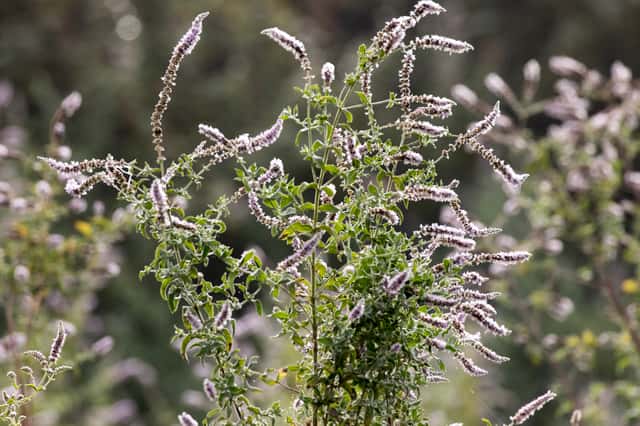
Horse Mint (Mentha longifolia) is a easy-care plant from the Lamiaceae family. Mentha longifolia, commonly known as horse mint or wild mint, is a vigorous perennial herb in the Lamiaceae family, native to Europe, Asia, and Africa. It grows up to 120 cm tall with lance-shaped, grey-green leaves covered in soft silvery hairs. During summer it produces dense spikes of pale lilac...
Horse Mint grows up to 1.2m, spread of 60cm, watering every 7 days, -15°C – 35°C, 30–50% humidity. It is suitable for indoor environments and not safe for pets.
Unlike many tropical plants, Horse Mint tolerates watering mistakes. Best for beginners. Without precautions, ingestion can cause irritation in pets. Keep out of reach of cats and dogs. Without adequate drainage, root rot can develop within 14 days.
How to Care for Horse Mint?
TLDR: Horse Mint needs Bright indirect, watering every 7 days, and temperatures between -15-35°C with 30-50% humidity.
How Often Should You Water Horse Mint?
Water deeply once a week, keeping the soil evenly moist but never waterlogged. During hot and dry spells, check soil moisture more frequently. Water at the base of the plant in the morning to reduce fungal disease risk.
How Much Light Does Horse Mint Need?
Place in full sun, receiving at least 6 hours of direct sunlight daily. It can tolerate partial shade but produces more aromatic foliage and better blooms in brighter conditions. Indoors, place near a south- or west-facing window.
What Is the Best Soil for Horse Mint?
Prefers rich, loamy, well-draining soil. Amend with compost to improve fertility. Avoid heavy clay soils that retain excess moisture. Ideal pH is 6.0–7.5. Mulch around the base helps retain moisture and suppress weeds.
What Pot Should You Use for Horse Mint?
Terracotta or clay pots are ideal as they allow better drainage and airflow to the roots. Use deep, wide containers to accommodate the spreading root system. Installing root barriers in garden beds prevents invasive spreading.
Care Schedule
Fertilize
Every 30 days
Repot
Every 365 days
What Is Horse Mint and Where Does It Come From?
Mentha longifolia, commonly known as horse mint or wild mint, is a vigorous perennial herb in the Lamiaceae family, native to Europe, Asia, and Africa. It grows up to 120 cm tall with lance-shaped, grey-green leaves covered in soft silvery hairs. During summer it produces dense spikes of pale lilac to mauve flowers that are highly attractive to bees, butterflies, and other pollinators. It has a strong, fresh menthol-like fragrance and a long history of culinary and medicinal use.
How Big Does Horse Mint Grow?
TLDR: Horse Mint can reach up to 1.2m tall with Fast growth rate.
Max height
1.2m
Spread
60cm
Growth rate
Fast
Foliage
Deciduous
Warning: Toxic Plant
This plant can be toxic if ingested. Keep out of reach of:
Plant Uses
Edible
Can be consumed
Medicinal
Medicinal properties
Aromatic
Pleasant fragrance
Ornamental
Great for decoration
Medicinal Uses
- Relieves digestive issues, bloating, and nausea
- Used in herbal teas for colds, flu, and sore throat
- Antiseptic and anti-inflammatory properties
- Topical use for headaches and muscle tension
- Antimicrobial activity from essential oils (menthol, pulegone)
Culinary Uses
- Herbal teas and aromatic infusions
- Seasoning for meat dishes, sauces, and stews
- Flavoring for beverages, cocktails, and lemonade
- Fresh garnish for salads and desserts
- Syrups, condiments, and confectionery flavoring
Is your plant showing symptoms?
Click on the symptom to discover possible causes:
What Diseases Commonly Affect Horse Mint?
TLDR: Horse Mint is susceptible to 8 known diseases. Monitor regularly for early detection.
Powdery Mildew
Powdery mildew is a common fungal disease caused by various fungi species including Erysiphe, Podosphaera, Oïdium, and Leveillula. It affects over 10,000 plant species worldwide. The disease thrives in warm, dry climates with high humidity and appears as a distinctive white powdery coating on plant surfaces.
Rust
Rust is a common fungal disease caused by fungi in the order Pucciniales that affects a wide variety of plants. The disease gets its name from the characteristic orange, yellow, or reddish-brown pustules that appear on leaves, resembling metal rust. This obligate fungal parasite requires living plants to survive and can cause significant economic losses in agricultural crops.
Aphids
Aphids are small, soft-bodied, pear-shaped insects (1/16 to 1/8 inch long) that feed by sucking nutrient-rich sap from plants. They reproduce rapidly and can quickly weaken plants, causing distorted growth and transmitting plant viruses. Aphids come in various colors including green, black, red, yellow, brown, and gray. They secrete honeydew, a sticky substance that attracts ants and encourages sooty mold growth.
Spider Mites
Spider mites are tiny arachnids (less than 1/20 inch long) related to spiders and ticks that feed on plant sap. They thrive in hot, dry conditions and can cause significant damage to ornamental and vegetable plants. During severe infestations, crop losses can reach 14% or higher as these pests disrupt vital plant processes including photosynthesis, carbon dioxide absorption, and transpiration.
Meaning & Symbolism
Associated with mental clarity, hospitality, and protection. In ancient Mediterranean traditions, mint symbolized virtue and was used in ritual cleansing ceremonies and as a symbol of welcome.
Compare with similar plants
| Attribute | Difficulty | Light | Watering | Pet Safe |
|---|---|---|---|---|
| Field Maple | Easy | Bright indirect | 14d | ✓ |
| Silver Birch | Easy | Direct sun | 14d | ✓ |
| Common Blanketflower | Easy | Direct sun | 10d | ✓ |
| Cushion Bush | Easy | Direct sun | 14d | ✓ |





