Asparagaceae
Hyacinths (Hyacinthus genus)
Hyacinthus
An easy bulb: plant in autumn, 10 cm deep, in well-drained soil and full sun. It flowers in early spring, then the leaves die back. It can also be forced indoors in a pot or a glass vase after a cool, dark rooting period. All parts, especially the bulb, are toxic to dogs and cats.
Every 7 days
Bright indirect
° - °C
% - %
Categories
What is Hyacinths?
Hyacinths (Hyacinthus) is a easy-care plant from the Asparagaceae family. Hyacinthus is the hyacinth genus, spring bulbs in the family Asparagaceae native to the eastern Mediterranean and Central Asia. It has only three species: the common hyacinth (Hyacinthus orientalis), from southern Turkey to the Levant, and two rare species from northeastern Iran and Turkmenistan. Ea...
Hyacinths grows up to 30cm, spread of 15cm, watering every 7 days. It is suitable for indoor environments and not safe for pets.
Unlike many tropical plants, Hyacinths tolerates watering mistakes. Best for beginners. Without precautions, ingestion can cause irritation in pets. Keep out of reach of cats and dogs. Without adequate drainage, root rot can develop within 14 days.
How to Care for Hyacinths?
TLDR: Hyacinths needs Bright indirect, watering every 7 days, and temperatures between 15-30°C with 40-70% humidity.
How Often Should You Water Hyacinths?
Water moderately: about once a week while leaves are growing and the top of the soil is dry. Bulbs rot in wet soil and in overwatered pots without drainage. Stop watering once the foliage dies down.
How Much Light Does Hyacinths Need?
Full sun for good flowering year after year; part shade is fine for a one-off display. Indoors, start them cool and dark, then move to light once the stalk shows. A room that is too warm leaves the flowers stuck among the leaves.
What Is the Best Soil for Hyacinths?
Any moderately fertile garden soil that drains freely. In containers, use free-draining compost and raise the pot on feet.
What Pot Should You Use for Hyacinths?
A pot with drainage holes, planted with 3-5 bulbs together; or a hyacinth glass with water just below the base of the bulb, not touching it.
What Is Hyacinths and Where Does It Come From?
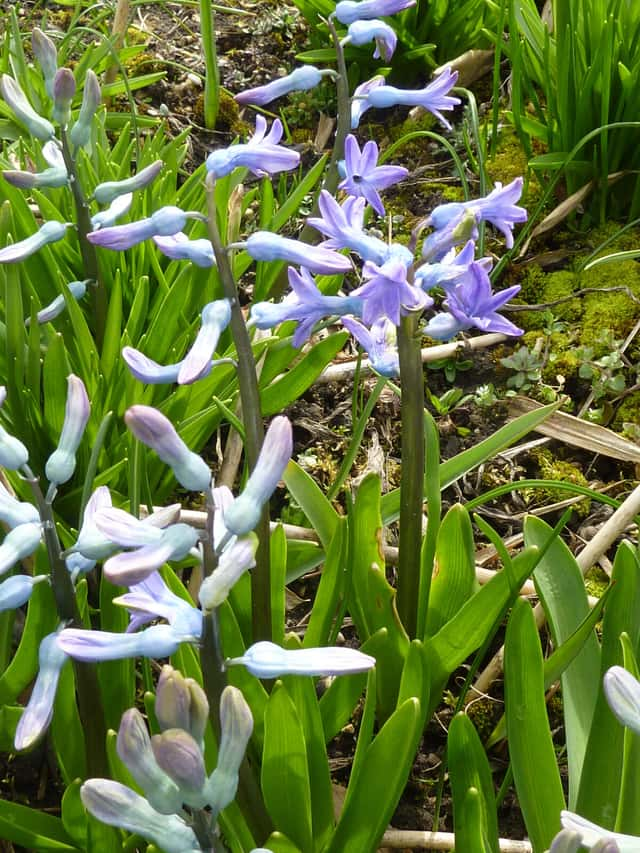
Hyacinthus is the hyacinth genus, spring bulbs in the family Asparagaceae native to the eastern Mediterranean and Central Asia. It has only three species: the common hyacinth (Hyacinthus orientalis), from southern Turkey to the Levant, and two rare species from northeastern Iran and Turkmenistan. Each bulb makes 4-6 narrow leaves and one to three stems of star-shaped, very fragrant flowers. Wild plants carry few, widely spaced flowers; garden hyacinths, bred in the Netherlands from H. orientalis, have dense spikes in blue, purple, white, pink, red, yellow or orange. Do not confuse them with grape hyacinths (Muscari).
How to Propagate Hyacinths?
Offsets
Hyacinths make few offsets, slowly; since bulbs are cheap, most gardeners buy new ones.
- 1 Lift the bulbs after the foliage has died down
- 2 Separate the small bulbs formed around the mother bulb
- 3 Store in a cool, dry place until autumn
- 4 Replant in autumn and grow on to flowering size
Materials needed:
Scooping
The mother bulb rots away in the process. Wear gloves: the bulb irritates skin.
- 1 Pick large, healthy bulbs after the leaves die down
- 2 Scoop out the basal plate with a sharp spoon
- 3 Set bulbs upside down on moist coarse sand in a dark, warm place
- 4 Next early summer, lift the pea-sized bulblets and line them out in beds, replanting each year until full size
Materials needed:
How Big Does Hyacinths Grow?
TLDR: Hyacinths can reach up to 30cm tall with Medium growth rate.
Max height
30cm
Spread
15cm
Growth rate
Medium
Foliage
Deciduous
Warning: Toxic Plant
This plant can be toxic if ingested. Keep out of reach of:
Plant Uses
Ornamental
Great for decoration
Aromatic
Pleasant fragrance
Is your plant showing symptoms?
Click on the symptom to discover possible causes:
What Diseases Commonly Affect Hyacinths?
TLDR: Hyacinths is susceptible to 2 known diseases. Monitor regularly for early detection.
Root Rot
Root rot is a serious fungal disease that affects the root system of plants, causing them to decay and die. It is primarily caused by overwatering, poor drainage, or soil-borne fungi such as Pythium, Phytophthora, Rhizoctonia, and Fusarium. The disease thrives in waterlogged conditions where roots are deprived of oxygen, making them susceptible to fungal infection.
Slugs and Snails
Slugs and snails are mollusks that feed on plant tissue, causing irregular holes in leaves and damage to young seedlings. They are most active at night and in moist conditions, leaving characteristic silvery slime trails. These pests can quickly devastate gardens, especially during wet seasons.
Meaning & Symbolism
A symbol of spring and rebirth. At Persian New Year (Nowruz) the hyacinth (sonbol) is part of the Haft-Seen table. In Greek myth the flower sprang from the blood of the youth Hyacinth, beloved of Apollo.
Fun Facts
In the 18th century the Netherlands grew more than 2,000 hyacinth cultivars.
The genus has only three species, yet nearly all garden hyacinths come from one of them, Hyacinthus orientalis.
The flower even has its own emoji: 🪻.
Frequently asked questions
When should I plant hyacinth bulbs?
Are hyacinths toxic to dogs and cats?
How do I force hyacinths indoors?
Will hyacinths flower again next year?
Is a grape hyacinth a hyacinth?
Compare with similar plants
| Attribute | Difficulty | Light | Watering | Pet Safe |
|---|---|---|---|---|
| Field Maple | Easy | Bright indirect | 14d | ✓ |
| Iberian Houseleek | Easy | Direct sun | 14d | ✓ |
| Silver Birch | Easy | Direct sun | 14d | ✓ |
| Common Blanketflower | Easy | Direct sun | 10d | ✓ |





