500 Best Pet Safe for Camboriú | 2026 Guide - Page 8
The 500 best pet safe to grow in Camboriú. Ideal climate: 21.5°C, 84.2% humidity.
500 Pet Safe for Camboriú
Showing 253-288 of 500
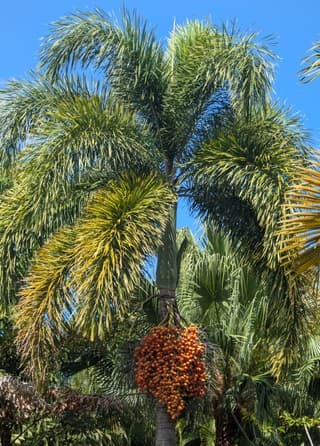
foxtail palm
Wodyetia
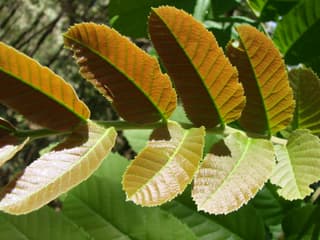
Camboata Tree
Cupania
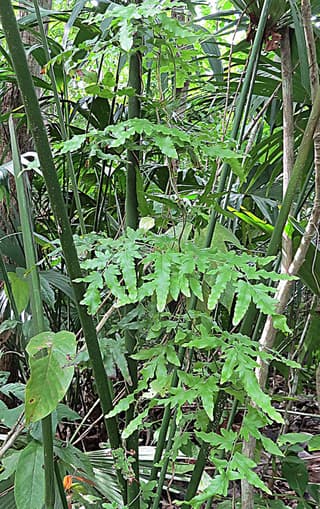
Climbing Fern
Lygodium venustum
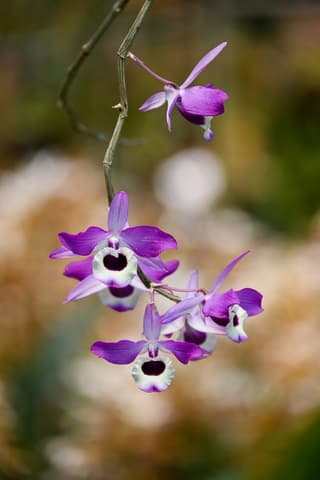
Dendrobium Orchid (genus)
Dendrobium
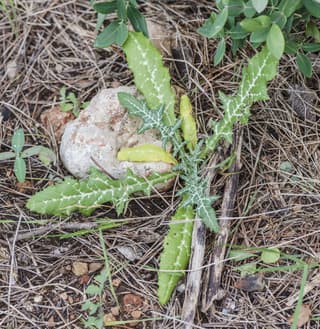
Common Sowthistle
Sonchus oleraceus
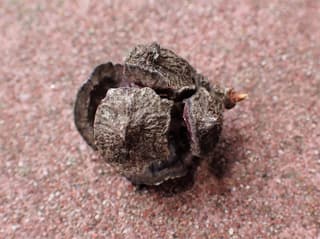
Mexican Cypress
Cupressus lusitanica
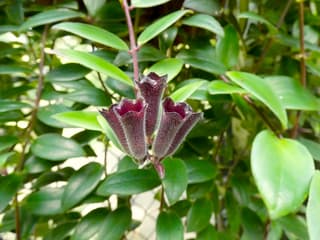
Lipstick Plant
Aeschynanthus
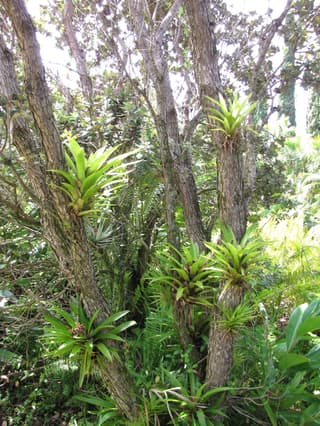
West Indian Tufted Airplant
Guzmania monostachia
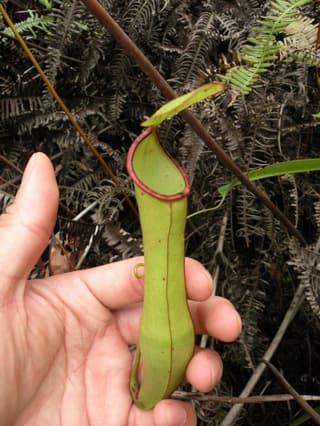
Neglecta Pitcher Plant
Nepenthes × neglecta
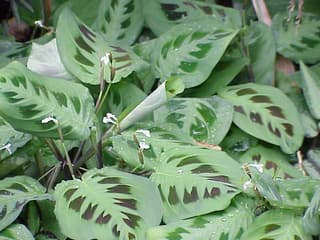
Prayer Plant
Maranta leuconeura
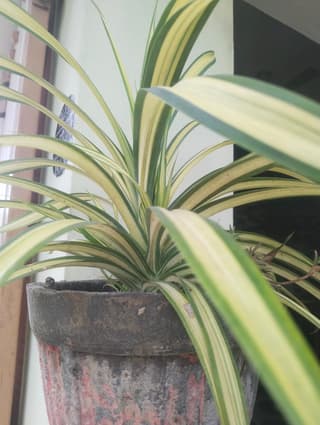
Spider Plant (genus)
Chlorophytum
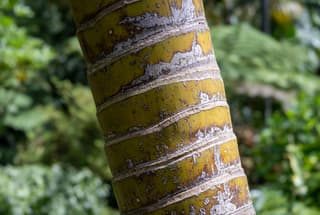
Areca Palm
Dypsis lutescens
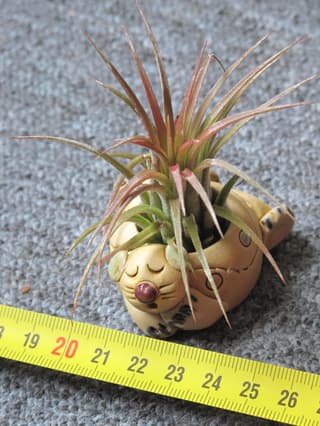
Sky Plant
Tillandsia ionantha
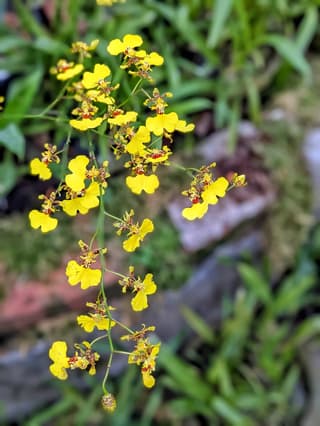
Golden Shower Orchid
Oncidium varicosum
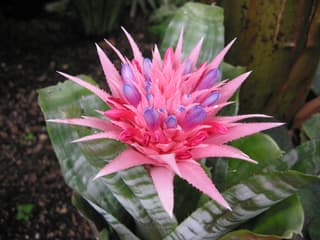
Urn Plant
Aechmea fasciata
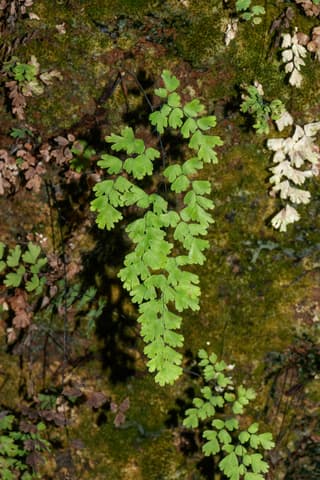
Maidenhair Fern
Adiantum capillus-veneris
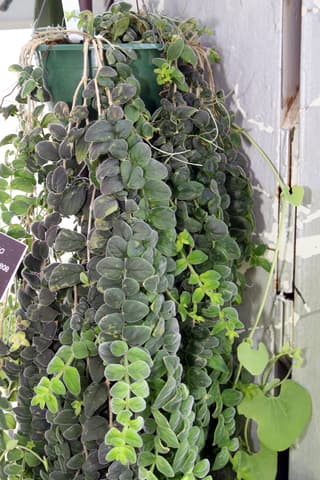
Goldfish plant
Columnea microcalyx
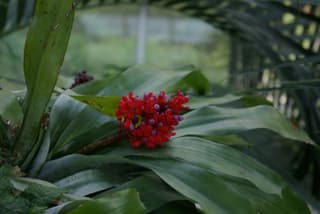
Coral Berry Bromeliad
Aechmea fulgens
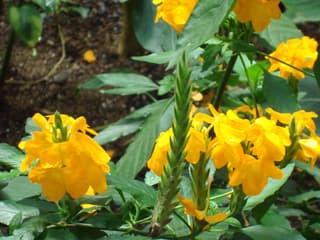
Firecracker Flower
Crossandra infundibuliformis
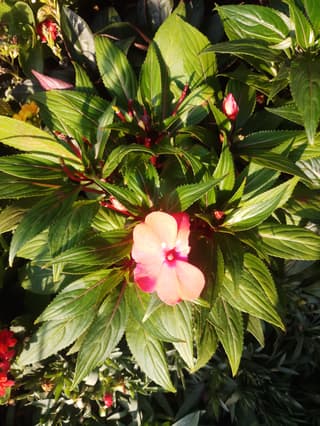
Busy Lizzie
Impatiens walleriana
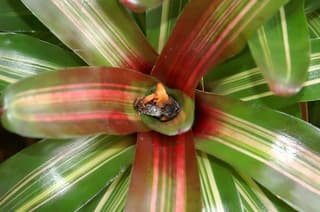
Blushing Bromeliad
Neoregelia carolinae
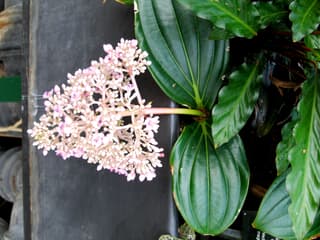
Rose Grape
Medinilla magnifica
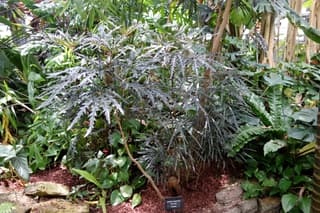
False Aralia
Plerandra elegantissima
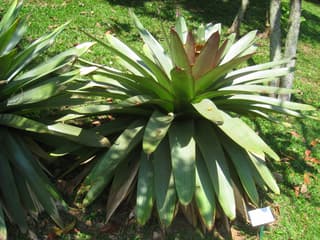
Imperial Bromeliad
Alcantarea imperialis
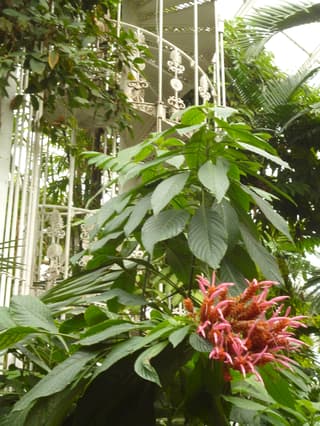
Coral Aphelandra
Aphelandra sinclairiana

Bangalow Palm
Archontophoenix cunninghamiana
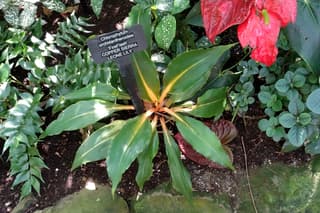
Mandarin Plant
Chlorophytum orchidastrum
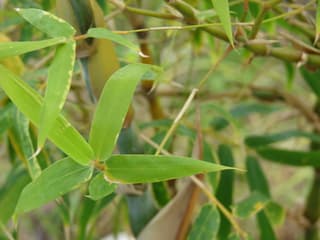
Buddha Belly Bamboo
Bambusa ventricosa
Canna Lily
Canna x generalis
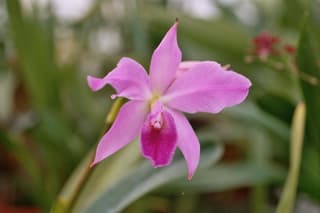
Cattleya Orchid
Cattleya spp
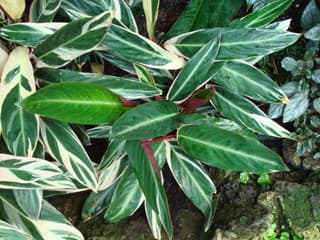
Never Never Plant
Ctenanthe oppenheimiana
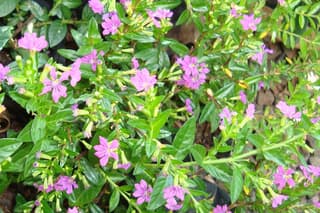
Slender Cuphea
Cuphea gracilis
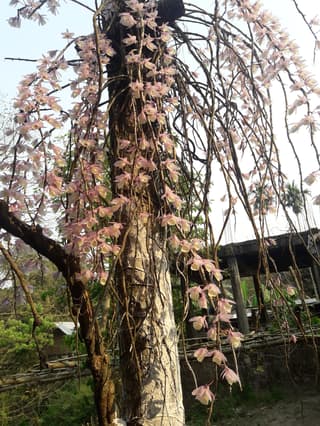
Hooded Orchid
Dendrobium aphyllum
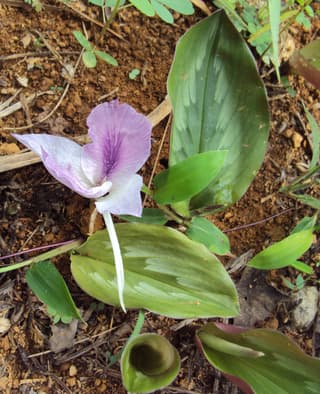
Resurrection Lily
Kaempferia rotunda
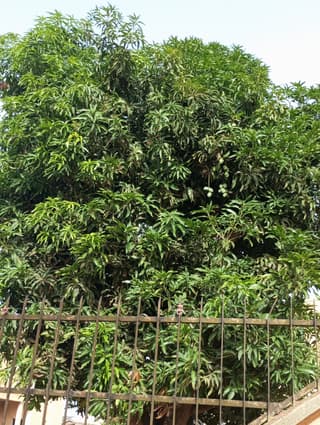
Mango Tree
Mangifera indica
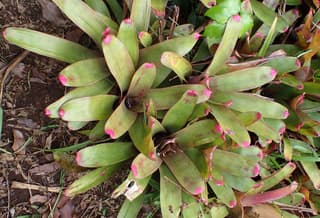
Blushing Bromeliad
Neoregelia sp
Ideal Pet Safe for Camboriú's Climate
Camboriú has an average temperature of 21.5°C and humidity of 84.2%, conditions that directly influence which pet safe best adapt to the local environment.
How to Grow Pet Safe in Camboriú
To successfully grow pet safe in Camboriú, consider that the average temperature of 21.5°C and humidity of 84.2% create a specific microclimate. High humidity favors tropical species, but requires attention to ventilation to prevent fungal issues.
Advantages of Choosing Adapted Pet Safe
Pet Safe adapted to Camboriú's climate show greater resistance, healthy growth, and less need for interventions.