500 Best Pet Safe for Caxias do Sul | 2026 Guide - Page 11
The 500 best pet safe to grow in Caxias do Sul. Ideal climate: 16.9°C, 81.9% humidity.
500 Pet Safe for Caxias do Sul
Showing 361-396 of 500
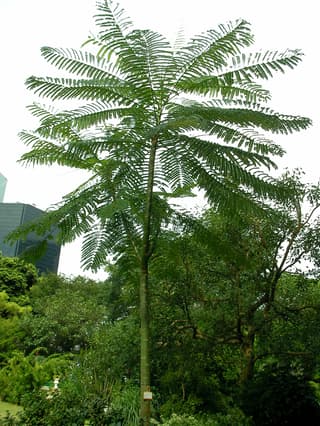
Brazilian Firetree
Schizolobium parahyba
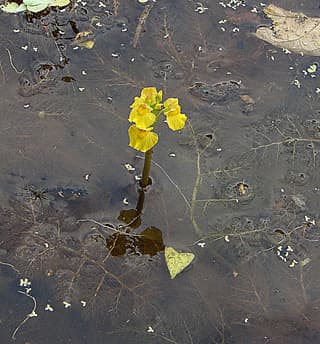
Leafy Bladderwort
Utricularia foliosa
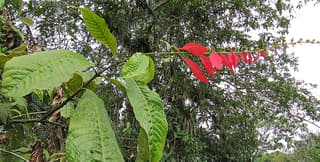
Chaconia
Warszewiczia
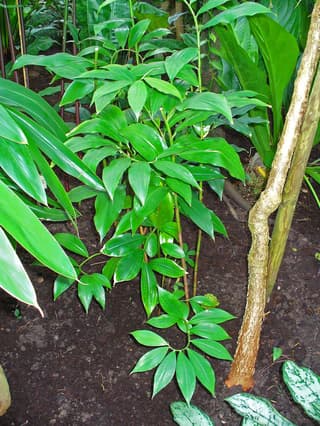
Crepe Ginger
Hellenia speciosa
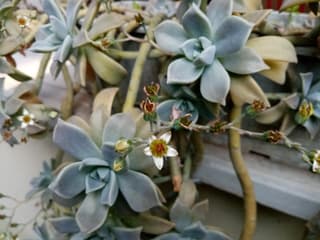
Ghost Plant
Graptopetalum
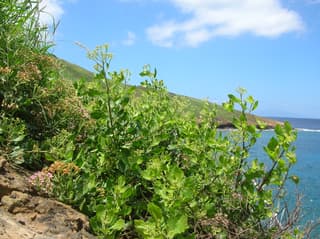
Camphor Weed
Pluchea
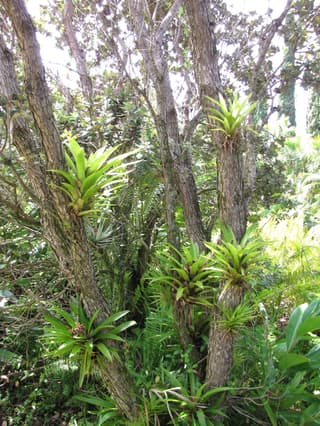
West Indian Tufted Airplant
Guzmania monostachia
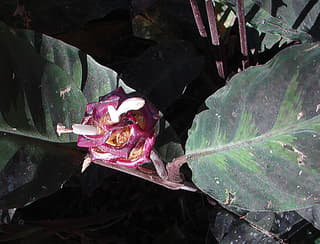
Jungle Velvet Calathea
Goeppertia warszewiczii
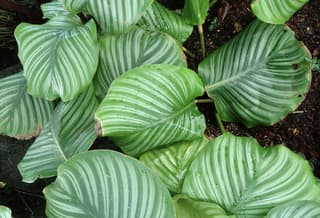
Round-leaf Calathea
Calathea orbifolia
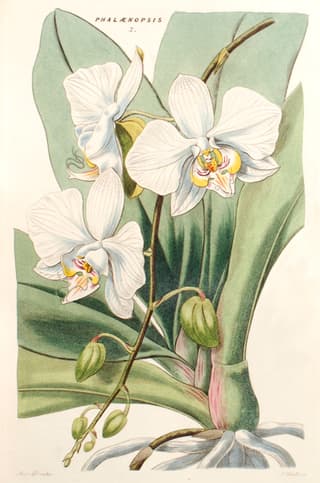
Moon Orchid
Phalaenopsis amabilis
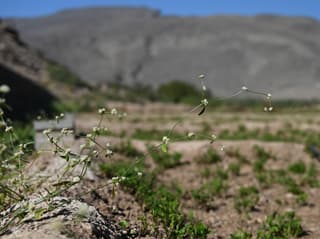
Calico Plant
Alternanthera bettzickiana
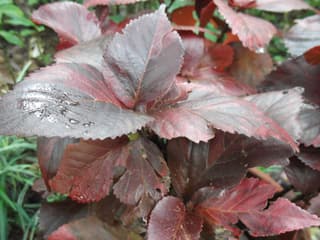
Jacob's Coat
Acalypha wilkesiana
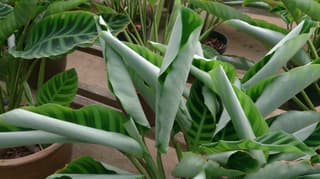
Zebra Plant
Calathea zebrina
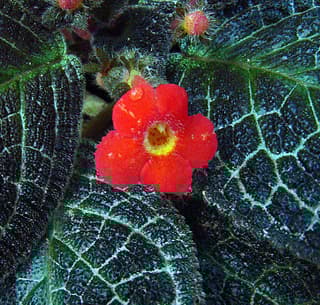
Flame Violet
Episcia cupreata
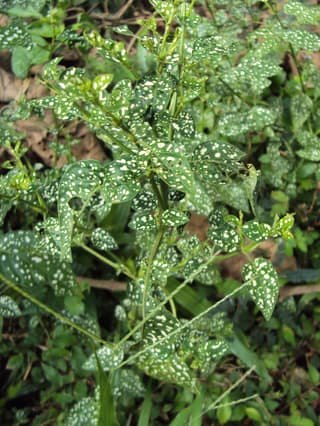
Polka Dot Plant
Hypoestes phyllostachya
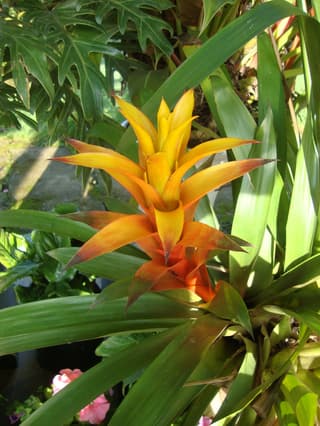
Scarlet Star
Guzmania lingulata
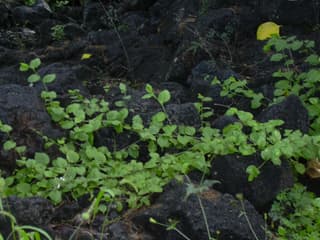
Chinese Violet
Asystasia gangetica
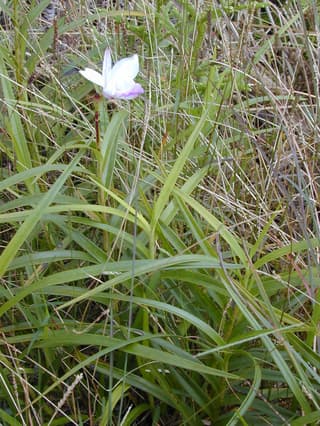
Bamboo Orchid
Arundina graminifolia
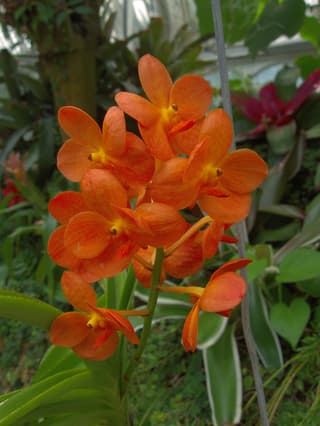
Ascocenda Orchid
Ascocenda
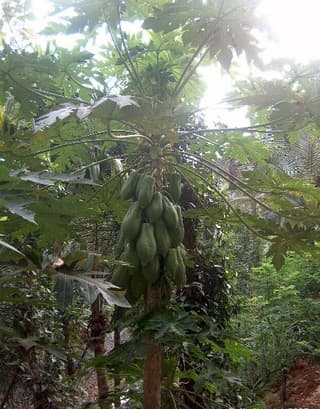
Papaya
Carica papaya
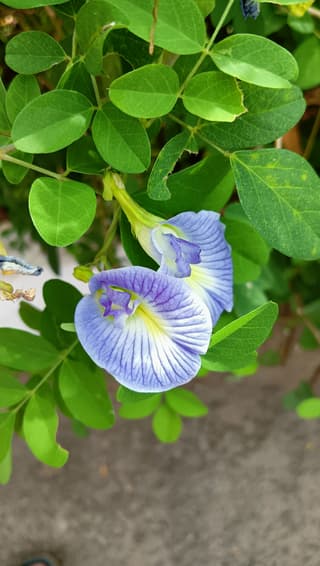
Butterfly Pea
Clitoria ternatea

Coconut Palm
Cocos nucifera
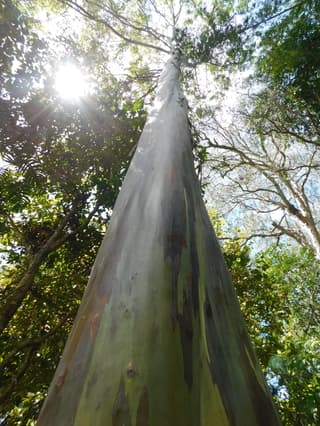
Rainbow Eucalyptus
Eucalyptus deglupta
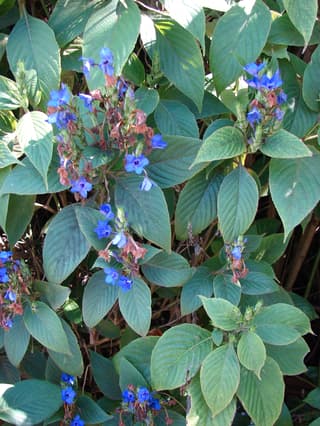
Blue Sage
Eranthemum pulchellum
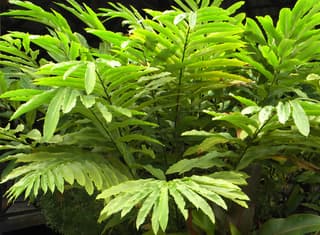
Torch Ginger
Etlingera elatior
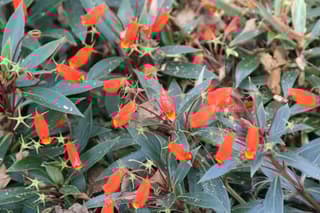
Bolivian Sunset Gloxinia
Gloxinia sylvatica
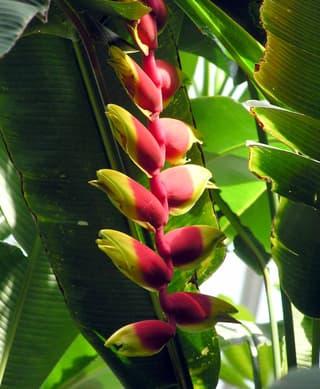
Hanging Lobster Claw
Heliconia rostrata
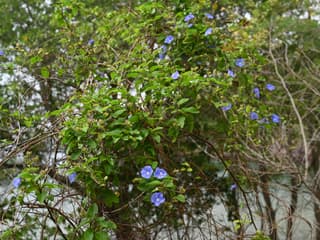
Skyblue Clustervine
Jacquemontia pentanthos
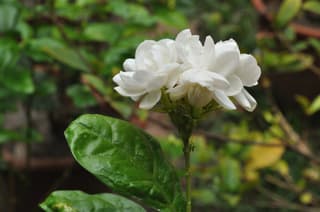
Arabian Jasmine
Jasminum sambac
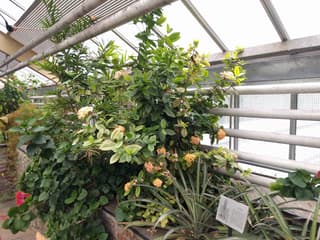
Chinese Ixora
Ixora chinensis
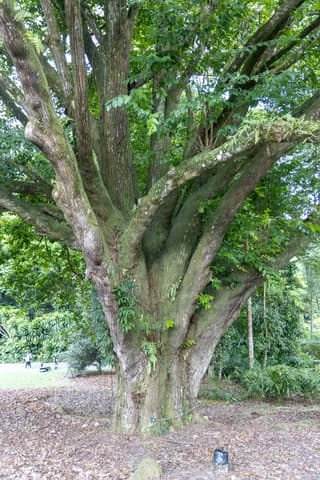
Paradise Nut
Lecythis pisonis
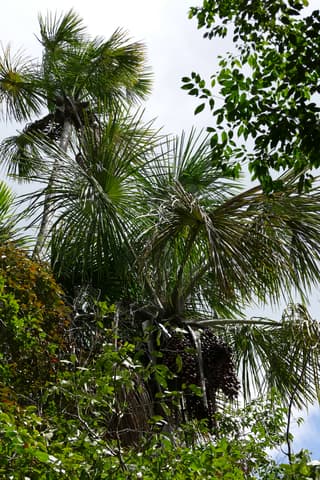
Moriche Palm
Mauritia flexuosa
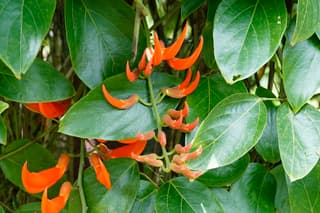
New Guinea Creeper
Mucuna bennettii
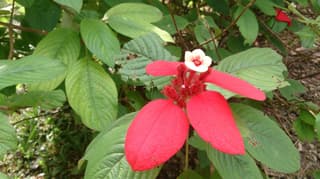
Ashanti Blood
Mussaenda erythrophylla
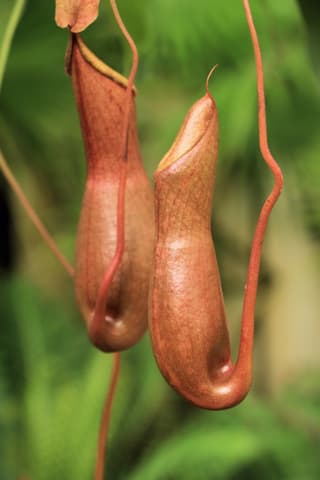
Tropical Pitcher Plant
Nepenthes spp
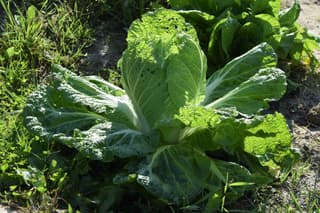
Chinese Cabbage
Brassica rapa pekinensis
Ideal Pet Safe for Caxias do Sul's Climate
Caxias do Sul has an average temperature of 16.9°C and humidity of 81.9%, conditions that directly influence which pet safe best adapt to the local environment.
How to Grow Pet Safe in Caxias do Sul
To successfully grow pet safe in Caxias do Sul, consider that the average temperature of 16.9°C and humidity of 81.9% create a specific microclimate. High humidity favors tropical species, but requires attention to ventilation to prevent fungal issues.
Advantages of Choosing Adapted Pet Safe
Pet Safe adapted to Caxias do Sul's climate show greater resistance, healthy growth, and less need for interventions.