341 Best Succulents for Charleston | 2026 Guide - Page 4
The 341 best succulents to grow in Charleston. Ideal climate: 19.3°C, 77.1% humidity.
341 Succulents for Charleston
Showing 109-144 of 341
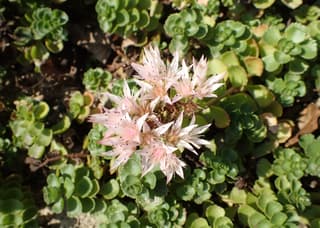
Two-row Stonecrop
Phedimus spurius
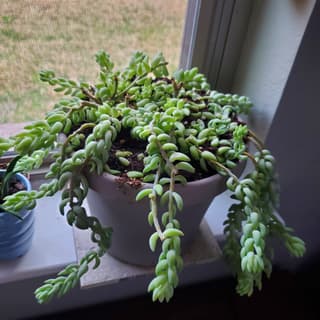
Stonecrop (genus)
Sedum
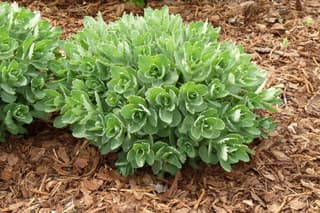
Showy Stonecrop
Hylotelephium spectabile
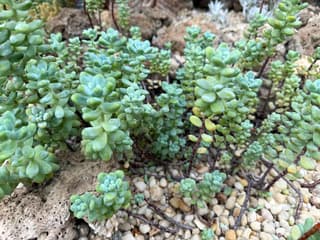
Jelly Bean Plant
Sedum pachyphyllum
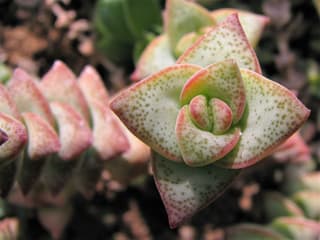
String of Buttons
Crassula perforata
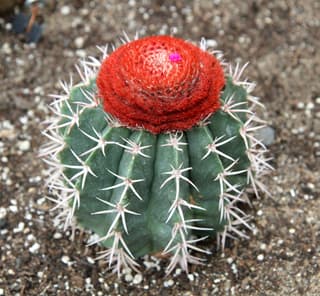
Turk's Cap Cactus
Melocactus zehntneri
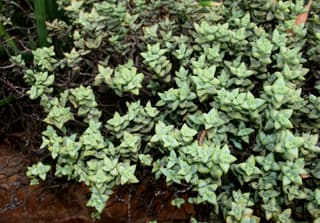
Concertina Plant
Crassula rupestris
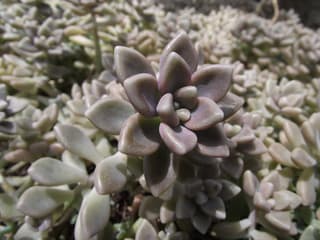
Marbled Succulent
Sedum mendozae

Chalk Dudleya
Dudleya pulverulenta
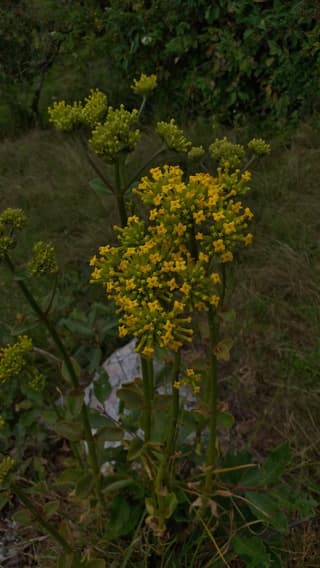
Dense-flowered Kalanchoe
Kalanchoe densiflora
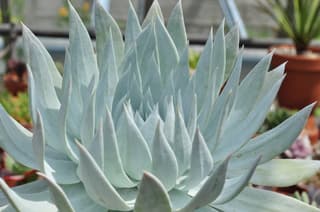
Liveforever
Dudleya
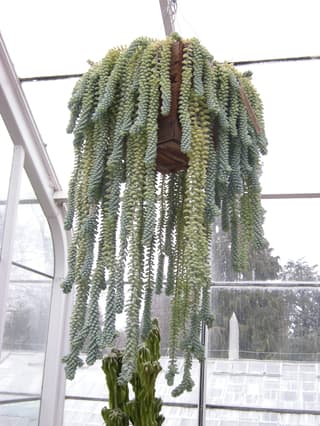
Baby Donkey Tail
Sedum burrito
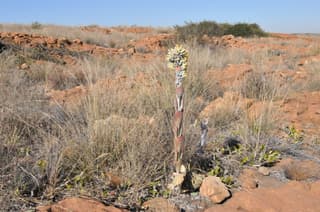
Paddle Plant
Kalanchoe thyrsiflora
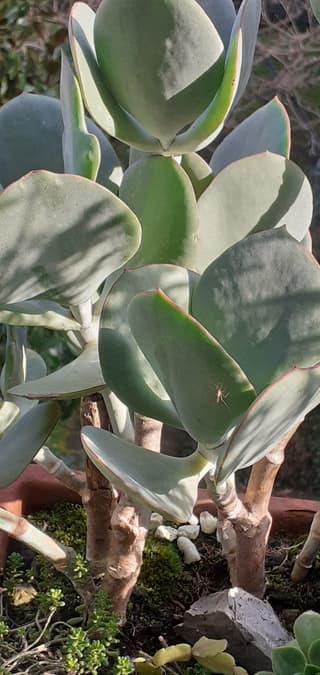
Pig's Ear
Cotyledon orbiculata
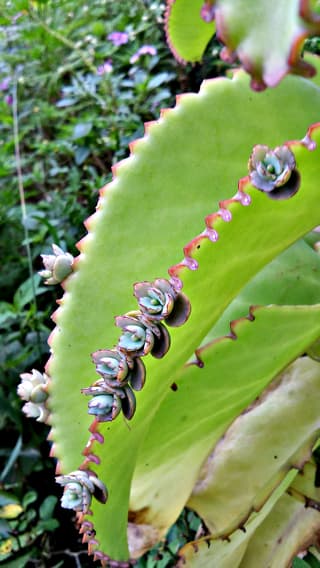
Big Mama Kalanchoe
Kalanchoe laetivirens
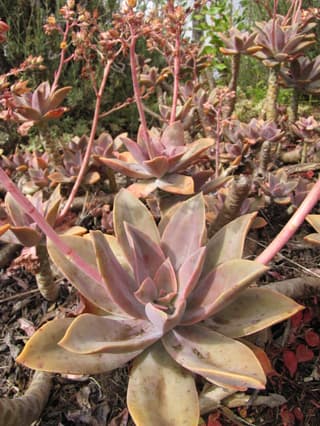
Graptoveria Ellen
Graptoveria 'Ellen'
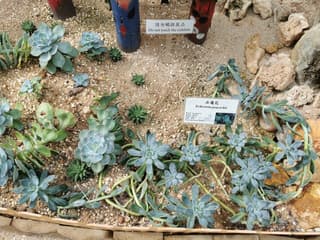
Peacock Echeveria
Echeveria peacockii
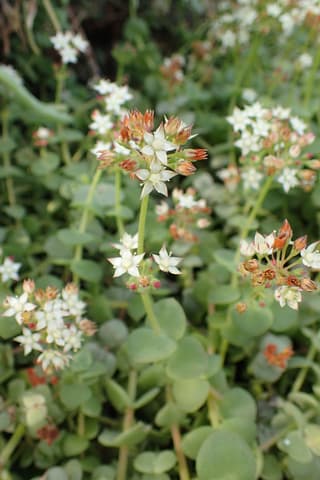
Calico Kitten
Crassula pellucida
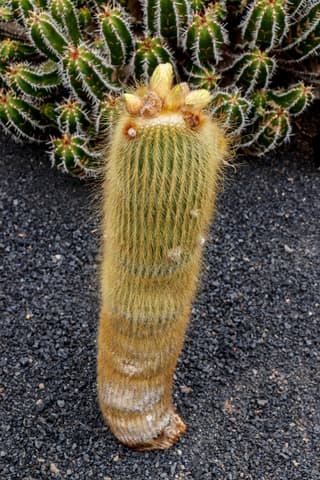
Golden Ball Cactus
Parodia leninghausii
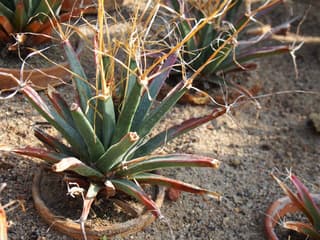
Agave Cactus
Leuchtenbergia principis

Fairy Crassula
Crassula multicava

Giant Velvet Rose
Aeonium canariense
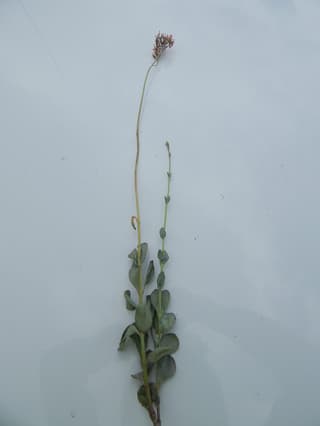
Common Kalanchoe
Kalanchoe rotundifolia
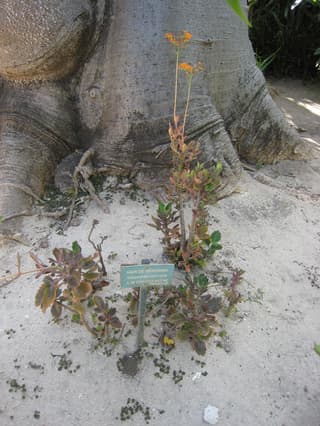
Christmas Tree Plant
Kalanchoe laciniata
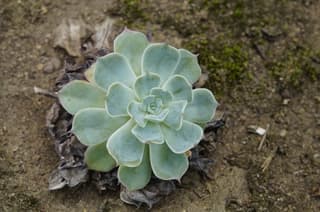
Blue Echeveria
Echeveria secunda
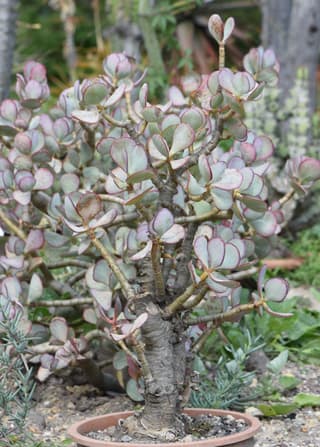
Silver Jade Plant
Crassula arborescens
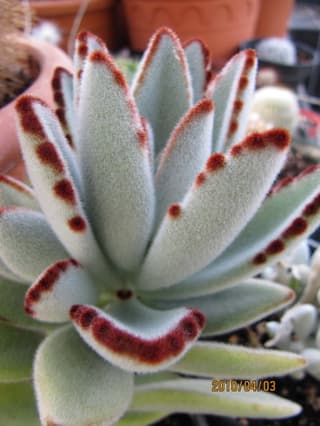
Panda Plant
Kalanchoe tomentosa
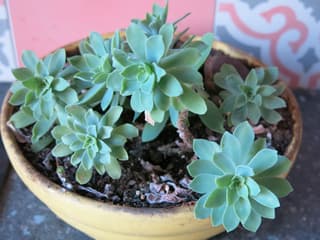
Aeonium
Aeonium
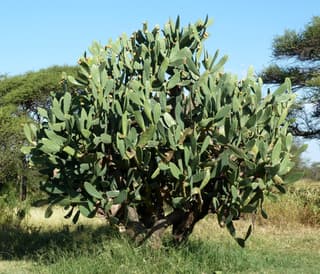
Prickly Pear Cactus
Opuntia
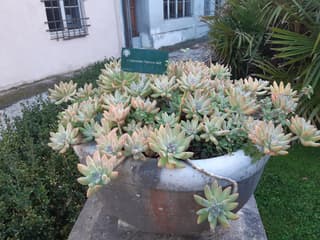
Pink Sedeveria
Graptosedum 'Francesco Baldi'
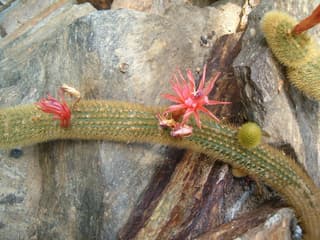
Golden Rat-tail Cactus
Cleistocactus winteri
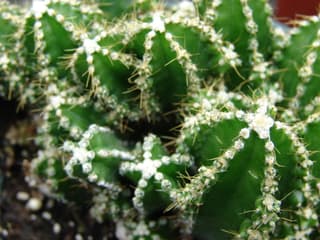
Giant Peruvian Cereus
Cereus peruvianus
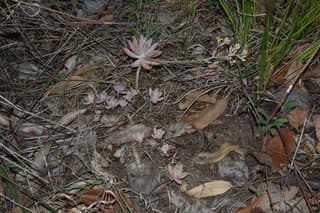
Graptosedum Ghosty
Graptosedum 'Ghosty'
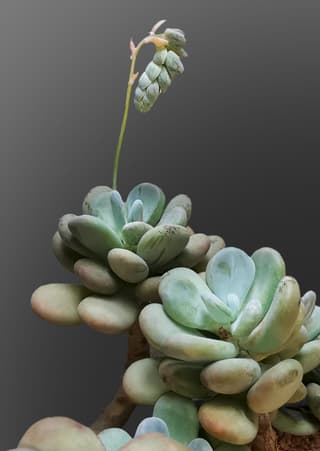
Moonstones
Pachyphytum
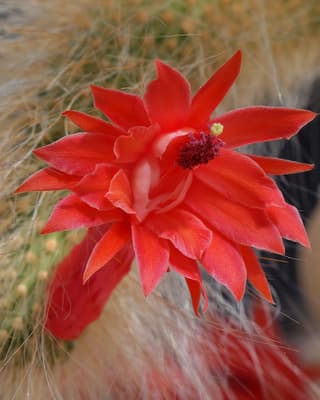
Monkey's Tail Cactus
Hildewintera colademononis
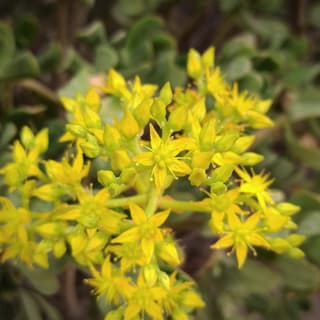
Tree Stonecrop
Sedum dendroideum
Ideal Succulents for Charleston's Climate
Charleston has an average temperature of 19.3°C and humidity of 77.1%, conditions that directly influence which succulents best adapt to the local environment.
How to Grow Succulents in Charleston
To successfully grow succulents in Charleston, consider that the average temperature of 19.3°C and humidity of 77.1% create a specific microclimate. High humidity favors tropical species, but requires attention to ventilation to prevent fungal issues.
Advantages of Choosing Adapted Succulents
Succulents adapted to Charleston's climate show greater resistance, healthy growth, and less need for interventions.