500 Best Plants for Lagoa de Itaenga | 2026 Guide - Page 12
Discover the 500 ideal plants for Lagoa de Itaenga's climate. Average temp: 25.2°C, Humidity: 78.2%.
Top 500 Plants for Lagoa de Itaenga
Showing 397-432 of 500
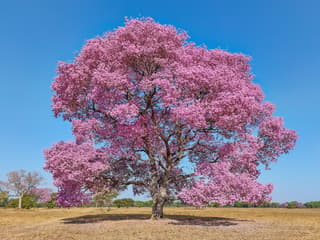
Trumpet Tree
Handroanthus
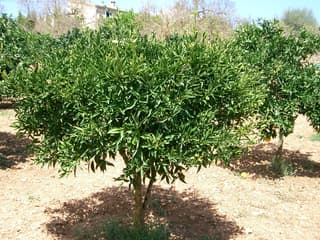
Willowleaf Mandarin
Citrus × aurantium f. deliciosa
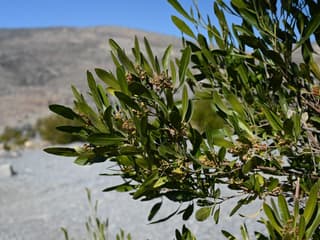
Hop bush
Dodonaea viscosa
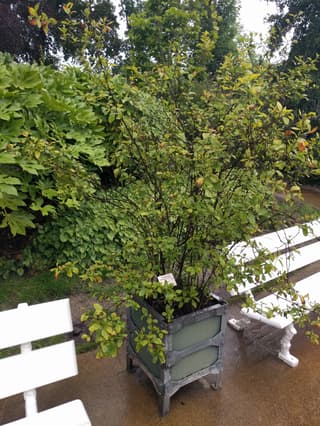
Cape Leadwort
Plumbago auriculata
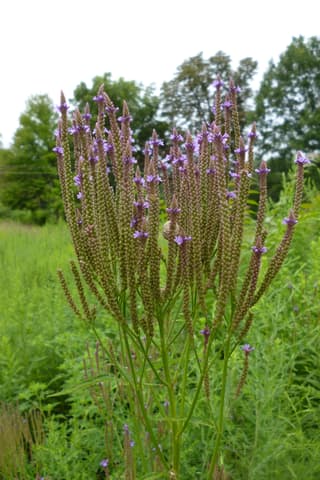
Blue Vervain
Verbena hastata
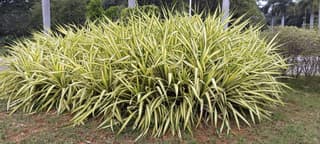
Screw Pine
Pandanus
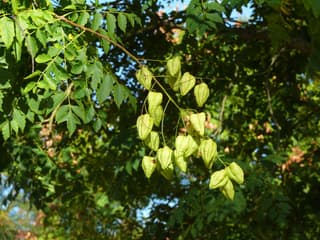
Golden Rain Tree
Koelreuteria paniculata
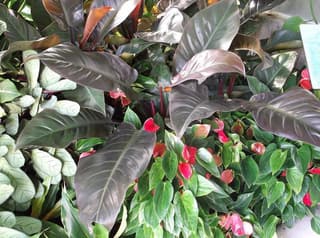
Congo Philodendron
Philodendron tatei
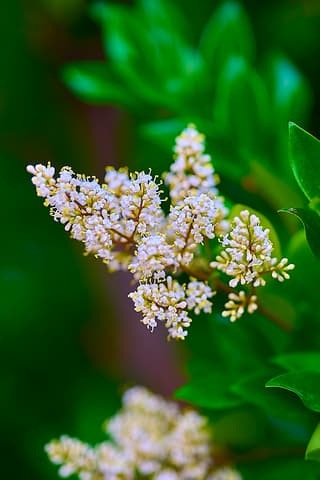
Privet
Ligustrum
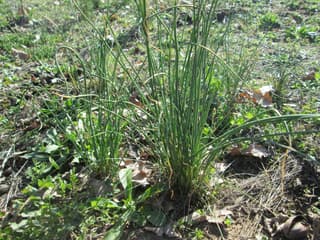
Wild Garlic
Allium vineale
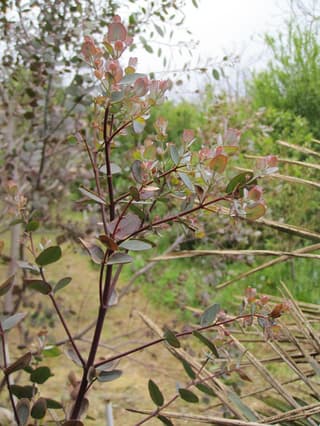
Cider Gum
Eucalyptus gunnii
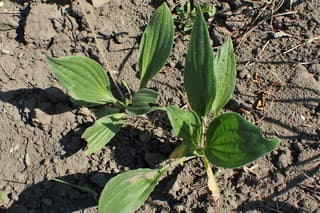
Asian Plantain
Plantago asiatica
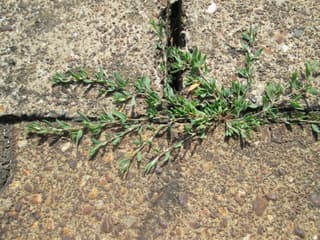
Oval-leaf Knotweed
Polygonum arenastrum
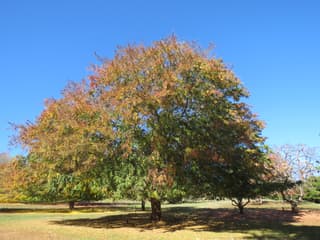
Chinese Elm
Ulmus parvifolia
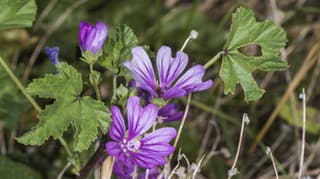
High mallow
Malva sylvestris
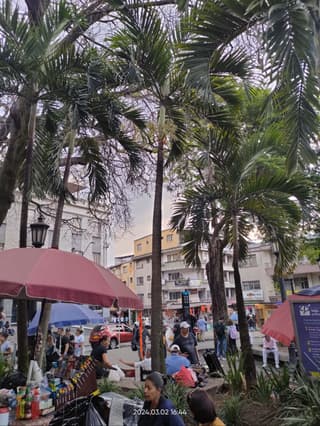
Areca palm
Chrysalidocarpus lutescens
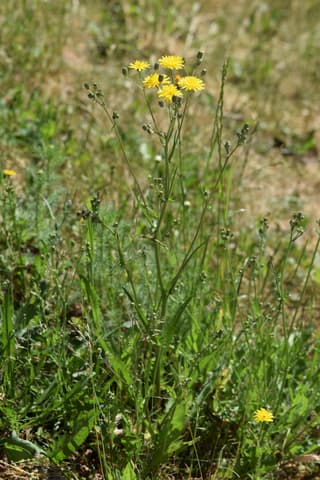
smooth hawksbeard
Crepis capillaris
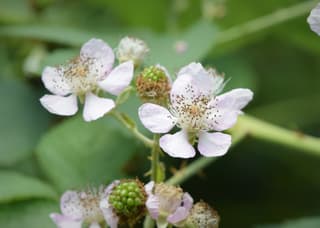
Himalayan Blackberry
Rubus armeniacus
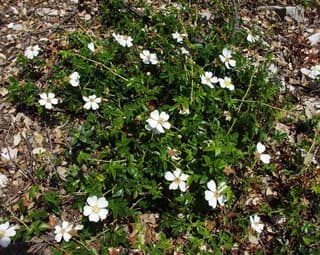
Evergreen Rose
Rosa sempervirens
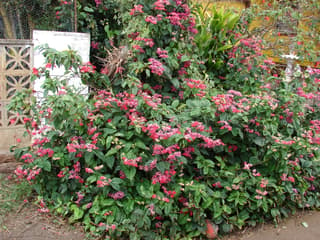
Red Bleeding Heart Vine
Clerodendrum × speciosum
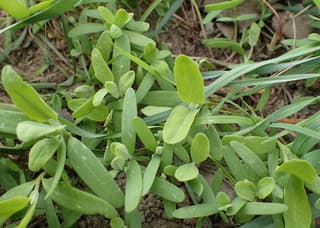
Common Orache
Atriplex patula
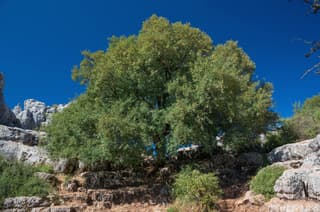
Montpellier maple
Acer monspessulanum
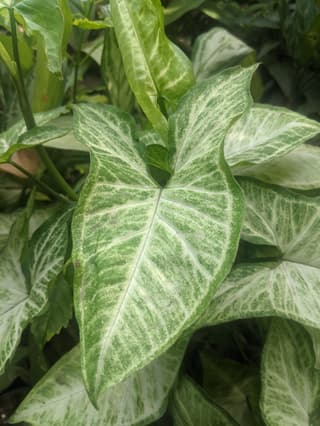
Arrowhead Vines
Syngonium
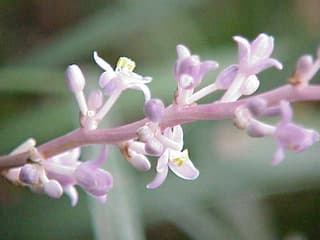
White Lilyturf
Ophiopogon jaburan
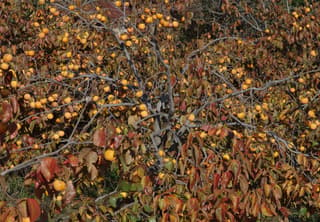
Japanese Persimmon
Diospyros kaki
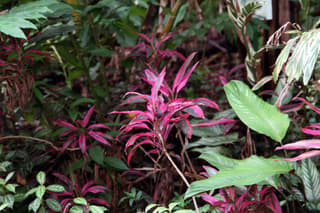
Ti Plant
Cordyline terminalis
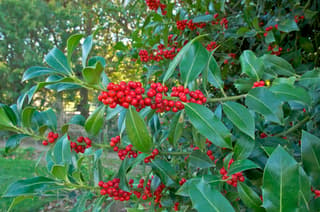
Holly
Ilex
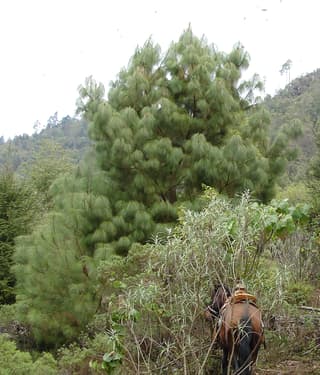
Smooth-bark Mexican Pine
Pinus pseudostrobus
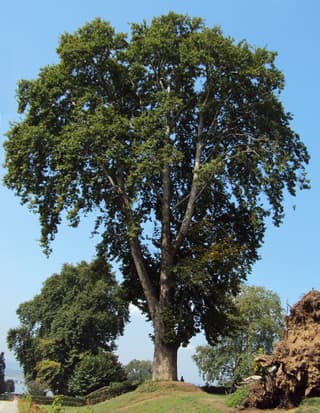
Plane Tree
Platanus
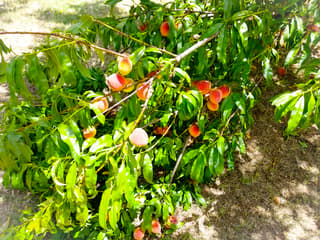
Peach Tree
Prunus persica
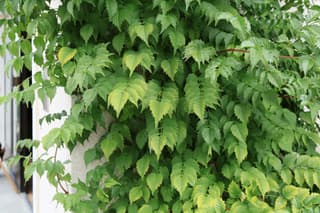
Trumpet Vine
Campsis × tagliabuana
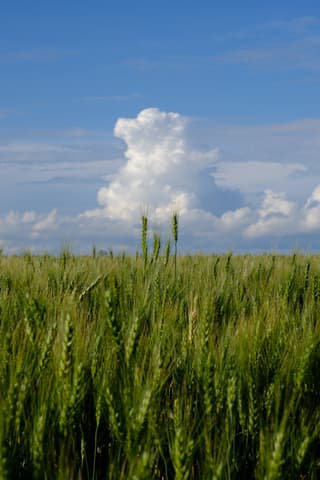
Common wheat
Triticum aestivum
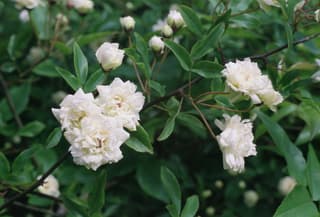
Lady Banks' Rose
Rosa banksiae
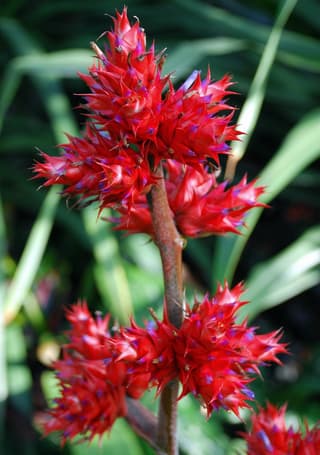
Hohenbergia
Hohenbergia
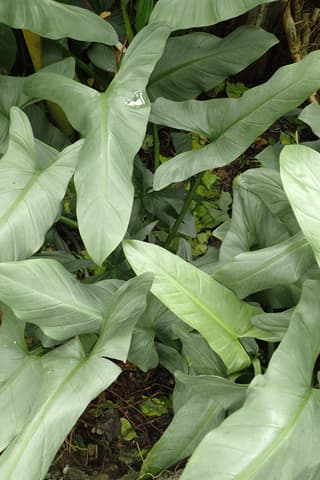
Silver Sword Philodendron
Philodendron hastatum
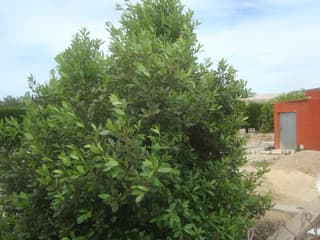
Bay Laurel
Laurus nobilis
Lagoa de Itaenga Climate for Plant Growing
Lagoa de Itaenga has a climate with an average annual temperature of 25.2°C and average relative humidity of 78.2%. These climate conditions are ideal for various species of ornamental and fruit plants.
Tips for Growing Plants in Lagoa de Itaenga
To succeed in growing plants in Lagoa de Itaenga, consider the average temperature of 25.2°C when choosing your species. On very hot days, protect plants from direct sun during the most intense hours. High humidity favors tropical plants, but watch for fungal issues.
Why Choose Plants Adapted to the Local Climate?
Plants adapted to Lagoa de Itaenga's climate require less care, consume less water, and are more likely to thrive. Our selection considers the compatibility between each species' needs and local climate conditions, including temperature (25.2°C) and humidity (78.2%).