500 Best Pet Safe for Lans-en-Vercors | 2026 Guide - Page 9
The 500 best pet safe to grow in Lans-en-Vercors. Ideal climate: 9.6°C, 76.4% humidity.
500 Pet Safe for Lans-en-Vercors
Showing 289-324 of 500
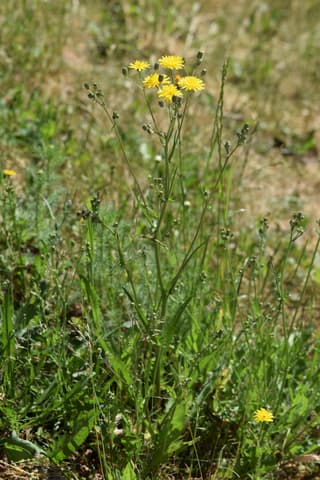
smooth hawksbeard
Crepis capillaris
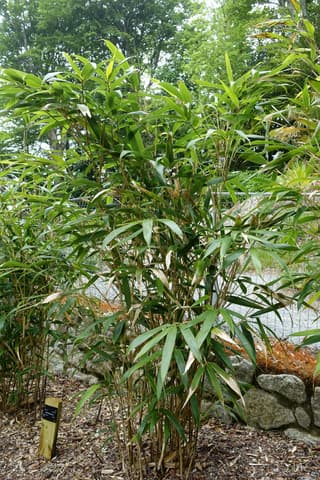
Arrow Bamboo
Pseudosasa japonica
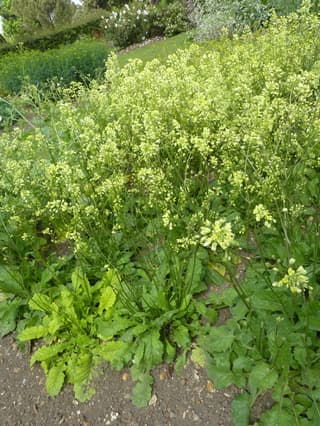
Brassica
Brassica
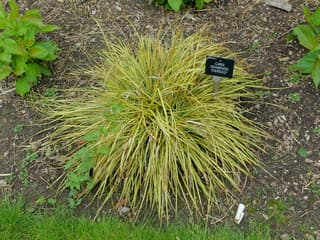
Evergold Sedge
Carex oshimensis 'Evergold'
Black Bulgur
Bulgaria inquinans
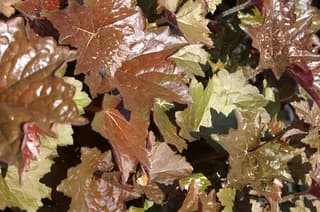
Crevice Alumroot
Heuchera micrantha
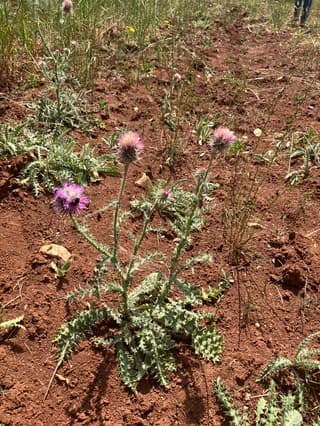
Musk Thistle
Carduus nutans
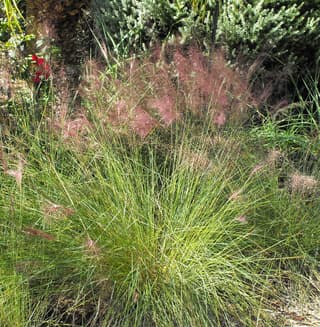
Pink Muhly Grass
Muhlenbergia capillaris
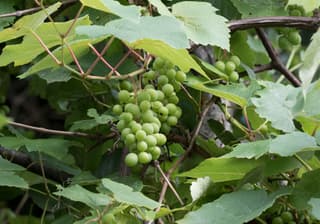
Fox Grape
Vitis labrusca
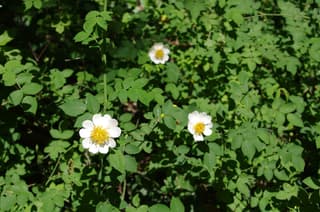
Field Rose
Rosa arvensis
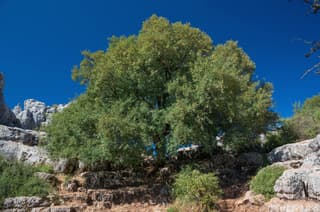
Montpellier maple
Acer monspessulanum
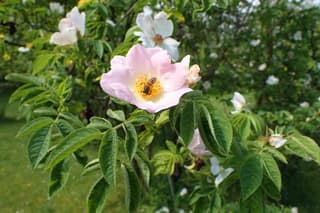
Corymb rose
Rosa corymbifera
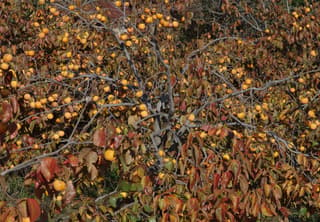
Japanese Persimmon
Diospyros kaki
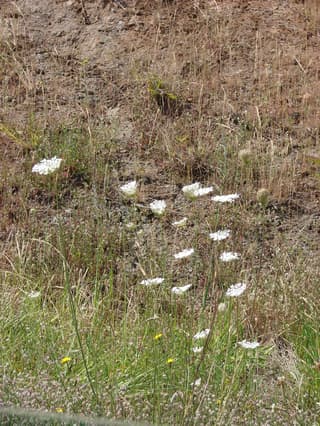
Wild Carrot
Daucus
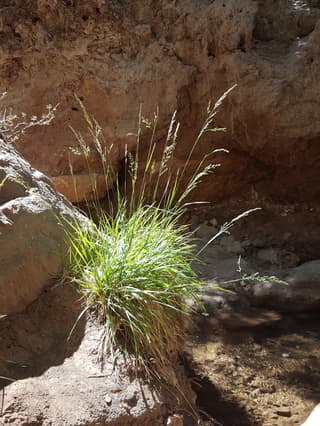
Tall Fescue
Lolium arundinaceum
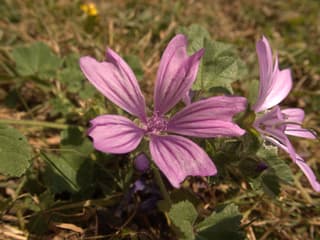
Mallow
Malva
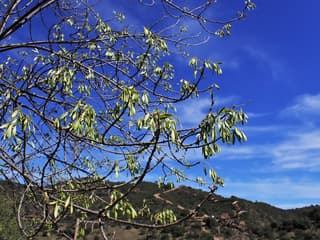
Narrow-leaved Ash
Fraxinus angustifolia
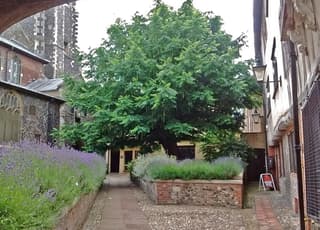
Caucasian Wingnut
Pterocarya fraxinifolia
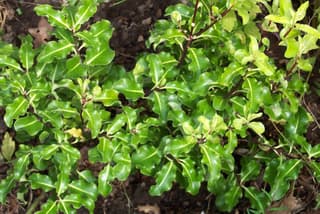
Kohuhu
Pittosporum tenuifolium
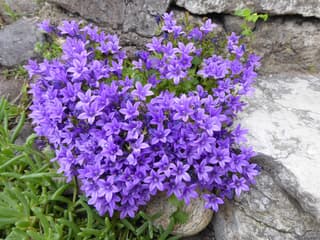
Dalmatian Bellflower
Campanula portenschlagiana
Speedwell
Veronica
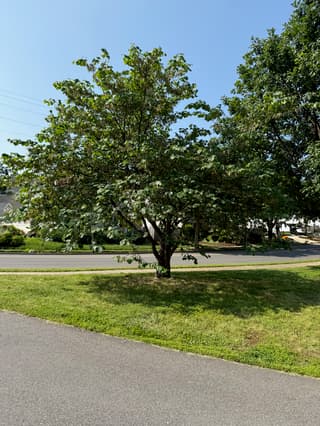
Eastern Redbud
Cercis canadensis
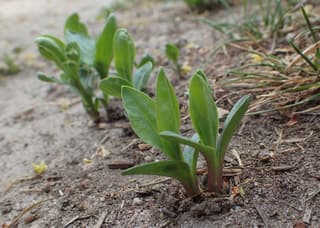
Soapwort
Saponaria officinalis
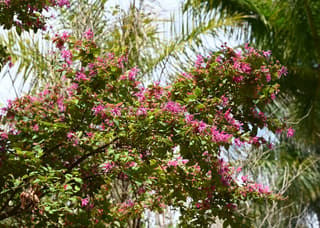
Chinese Fringe Flower
Loropetalum chinense
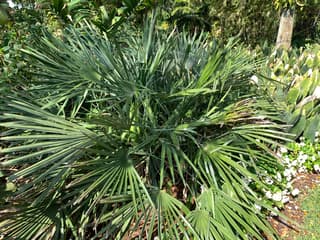
Needle Palm
Rhapidophyllum hystrix
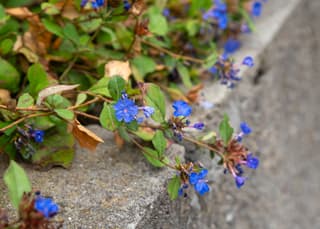
Hardy Plumbago
Ceratostigma plumbaginoides
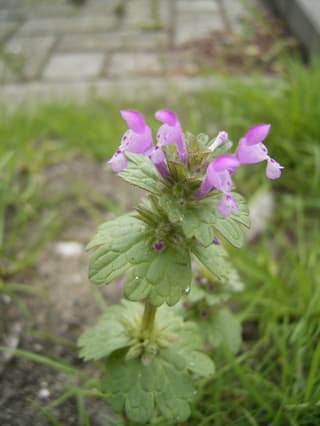
Henbit Dead-nettle
Lamium amplexicaule
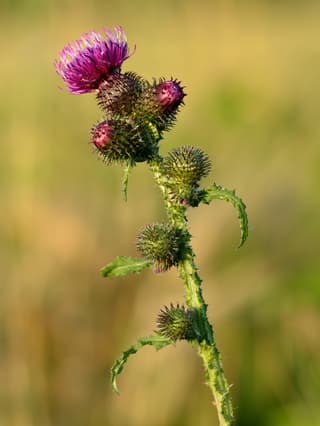
Thistle
Carduus
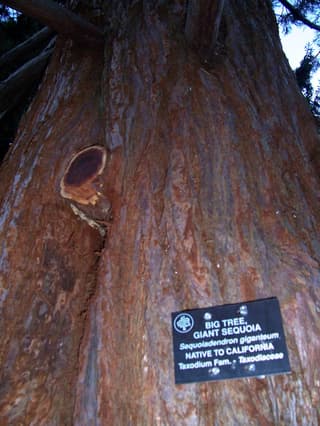
Giant Sequoia
Sequoiadendron giganteum
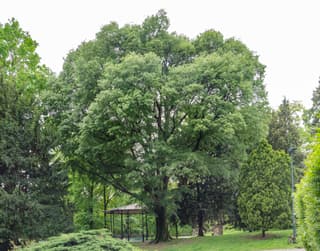
European Nettle Tree
Celtis australis
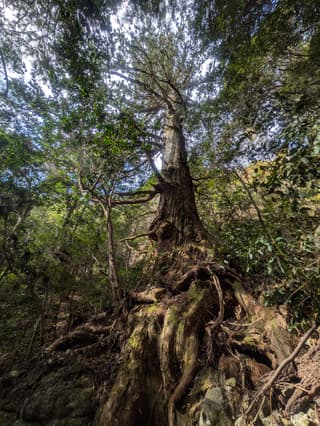
Japanese Cedar
Cryptomeria japonica
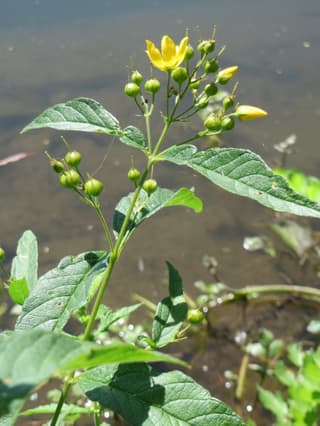
Loosestrife
Lysimachia
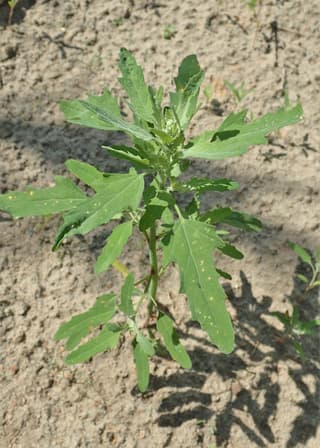
Fig-leaved Goosefoot
Chenopodium ficifolium
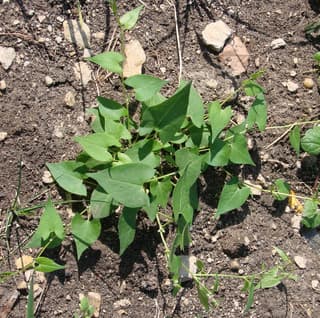
Black bindweed
Fallopia convolvulus
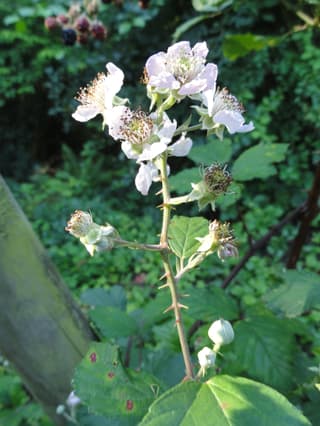
Himalayan Blackberry
Rubus bifrons
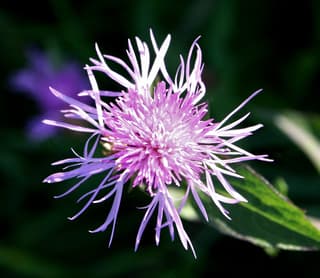
Tyrol Knapweed
Centaurea nigrescens
Ideal Pet Safe for Lans-en-Vercors's Climate
Lans-en-Vercors has an average temperature of 9.6°C and humidity of 76.4%, conditions that directly influence which pet safe best adapt to the local environment.
How to Grow Pet Safe in Lans-en-Vercors
To successfully grow pet safe in Lans-en-Vercors, consider that the average temperature of 9.6°C and humidity of 76.4% create a specific microclimate. High humidity favors tropical species, but requires attention to ventilation to prevent fungal issues.
Advantages of Choosing Adapted Pet Safe
Pet Safe adapted to Lans-en-Vercors's climate show greater resistance, healthy growth, and less need for interventions.