500 Best Pet Safe for Montgomery County | 2026 Guide - Page 14
The 500 best pet safe to grow in Montgomery County. Ideal climate: 21.2°C, 73% humidity.
500 Pet Safe for Montgomery County
Showing 469-500 of 500
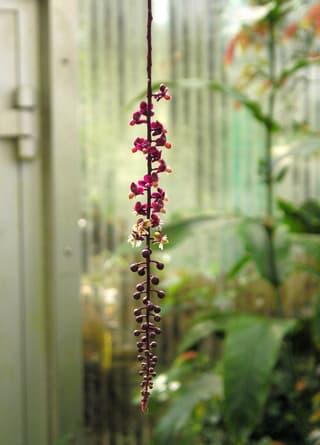
Peacock Plant
Calathea makoyana
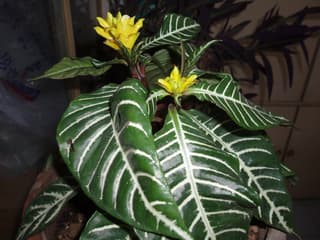
Zebra Plant
Aphelandra squarrosa
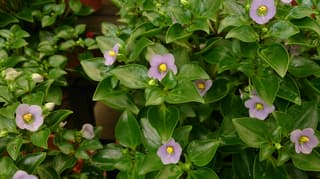
Persian Violet
Exacum affine
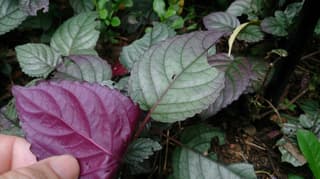
Purple Waffle Plant
Hemigraphis alternata
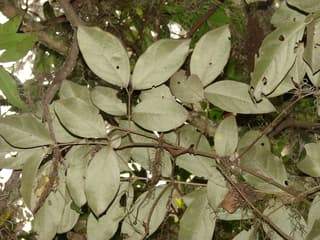
Peanut Butter Fruit Tree
Bunchosia argentea
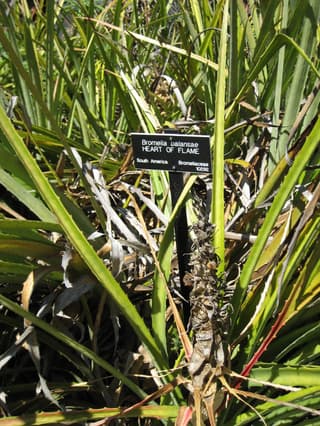
Heart of Flame
Bromelia balansae
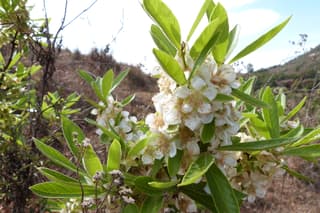
Guabiroba
Campomanesia pubescens
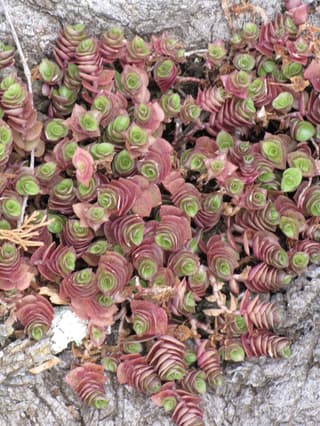
Turtle Vine
Callisia repens

Silk Floss Tree
Ceiba speciosa
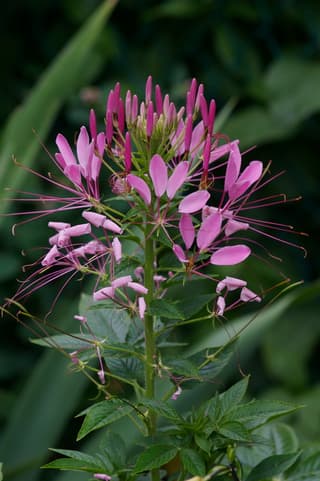
Spider Flower
Cleome hassleriana
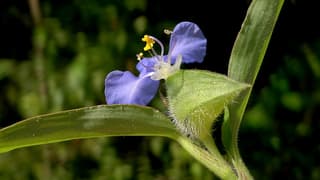
Whitemouth Dayflower
Commelina erecta
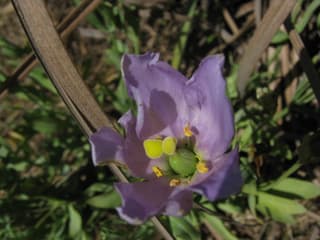
Lisianthus
Eustoma grandiflorum
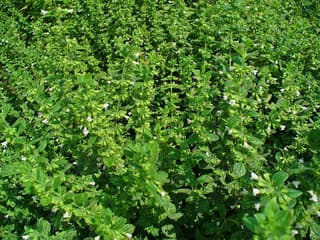
Lemon Balm
Melissa officinalis
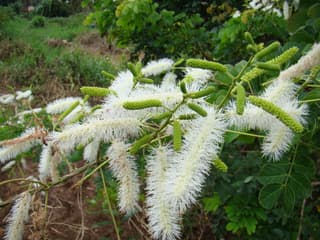
Sabia Mimosa
Mimosa caesalpiniifolia
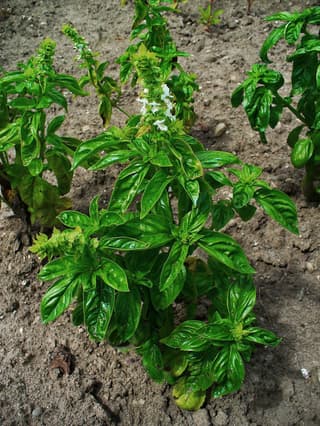
Sweet Basil
Ocimum basilicum
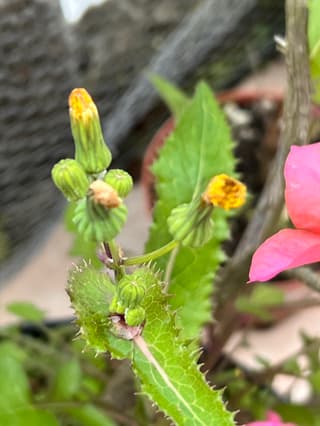
Sow Thistle
Sonchus
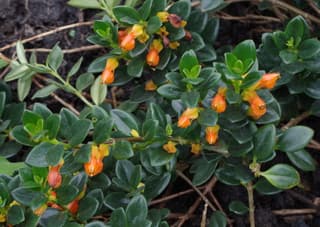
Goldfish Plant
Nematanthus gregarius
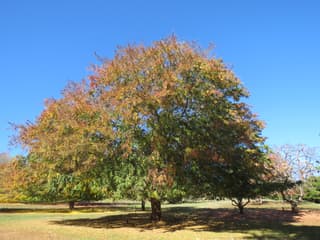
Chinese Elm
Ulmus parvifolia
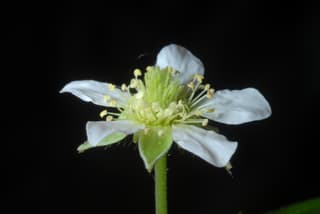
White Avens
Geum canadense
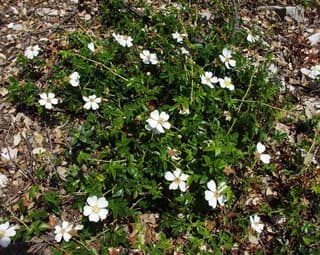
Evergreen Rose
Rosa sempervirens
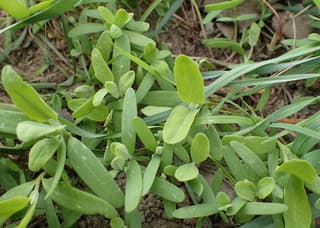
Common Orache
Atriplex patula
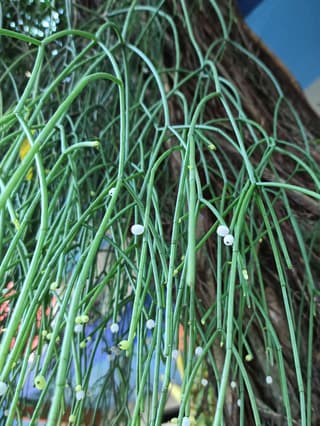
Mistletoe Cactus
Rhipsalis
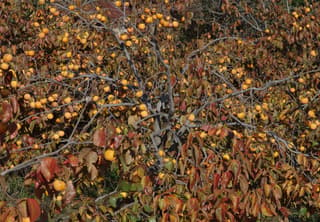
Japanese Persimmon
Diospyros kaki
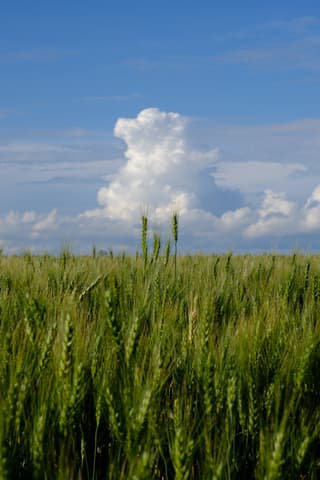
Common wheat
Triticum aestivum
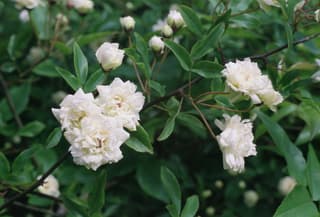
Lady Banks' Rose
Rosa banksiae
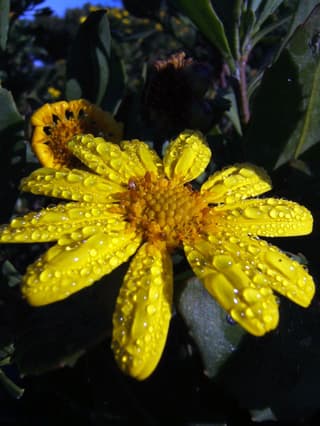
Bietou
Osteospermum moniliferum
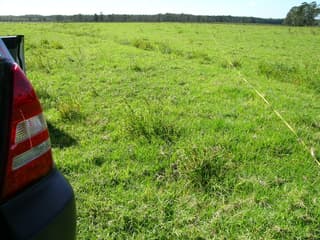
Kikuyu Grass
Cenchrus clandestinus
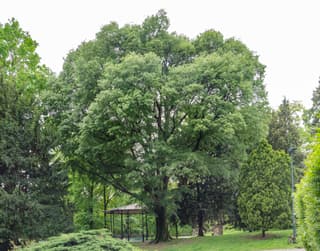
European Nettle Tree
Celtis australis
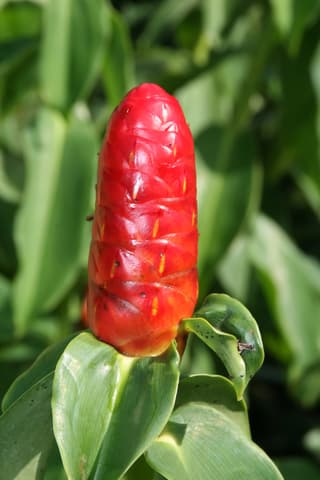
Red Button Ginger
Costus woodsonii
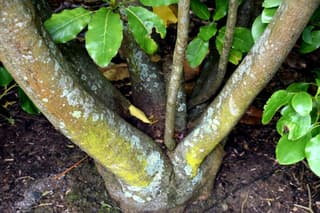
Puka
Meryta
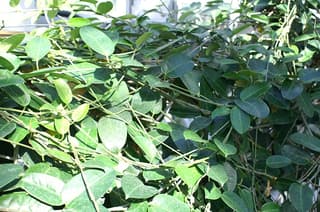
Madagascar Jasmine
Stephanotis floribunda
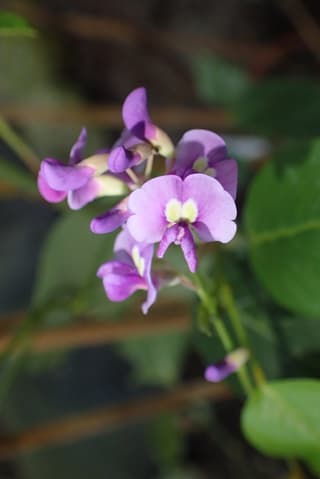
Purple Coral Pea
Hardenbergia violacea
Ideal Pet Safe for Montgomery County's Climate
Montgomery County has an average temperature of 21.2°C and humidity of 73%, conditions that directly influence which pet safe best adapt to the local environment.
How to Grow Pet Safe in Montgomery County
To successfully grow pet safe in Montgomery County, consider that the average temperature of 21.2°C and humidity of 73% create a specific microclimate. High humidity favors tropical species, but requires attention to ventilation to prevent fungal issues.
Advantages of Choosing Adapted Pet Safe
Pet Safe adapted to Montgomery County's climate show greater resistance, healthy growth, and less need for interventions.