500 Best Plants for Pasco County | 2026 Guide - Page 11
Discover the 500 ideal plants for Pasco County's climate. Average temp: 22.7°C, Humidity: 74.3%.
Top 500 Plants for Pasco County
Showing 361-396 of 500

Rougeplant
Rivina humilis
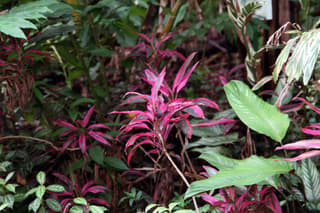
Ti Plant
Cordyline terminalis
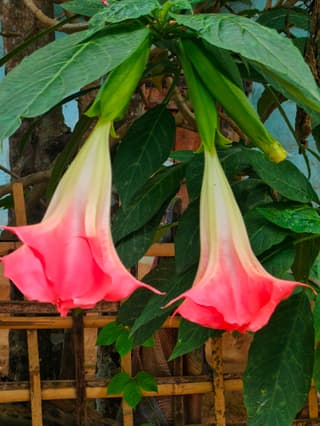
Angel's Trumpet
Brugmansia
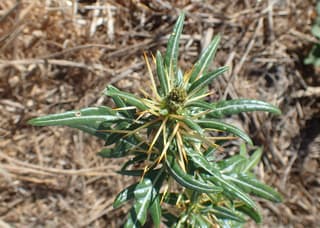
Spiny Cocklebur
Xanthium spinosum
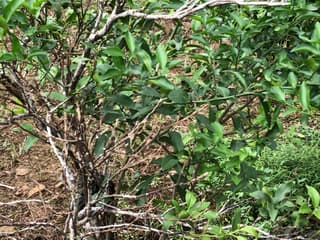
Kumquat
Citrus japonica
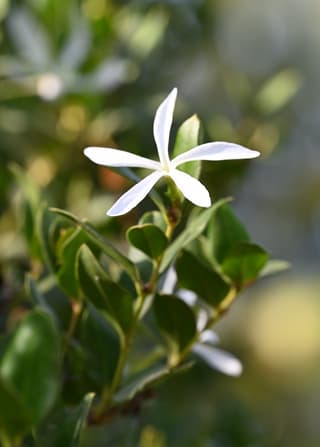
Natal Plum
Carissa macrocarpa
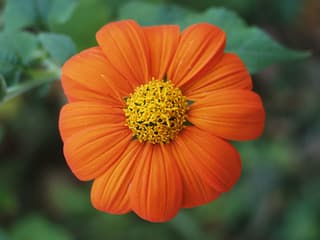
Mexican Sunflower
Tithonia
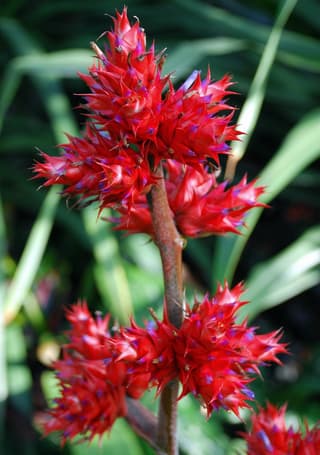
Hohenbergia
Hohenbergia
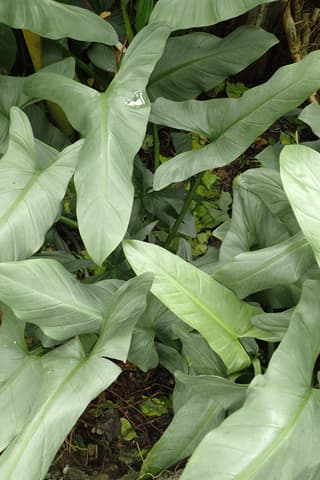
Silver Sword Philodendron
Philodendron hastatum
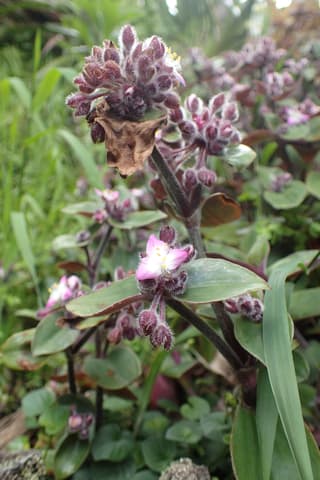
Flowering Inch Plant
Tradescantia cerinthoides
Pearls and Jade Pothos
Epipremnum aureum 'Pearls and Jade'
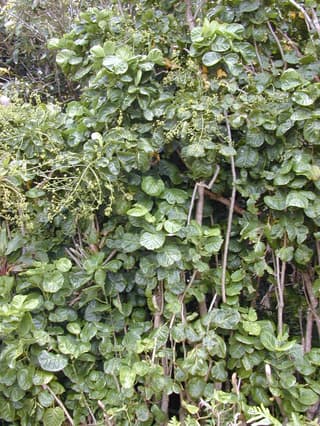
Shield Aralia
Polyscias scutellaria
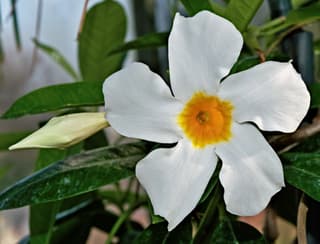
White Rock Trumpet
Mandevilla boliviensis
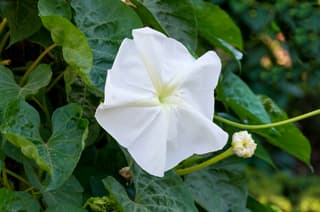
Moonflower
Ipomoea alba
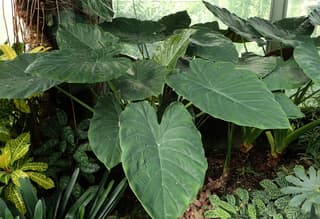
New Guinea Shield
Alocasia wentii
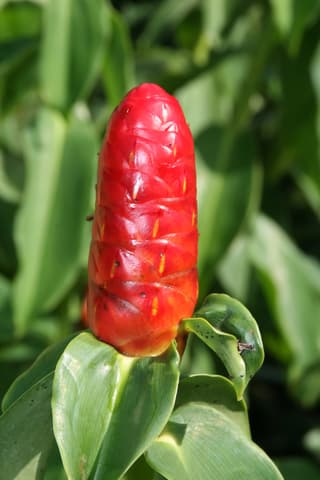
Red Button Ginger
Costus woodsonii
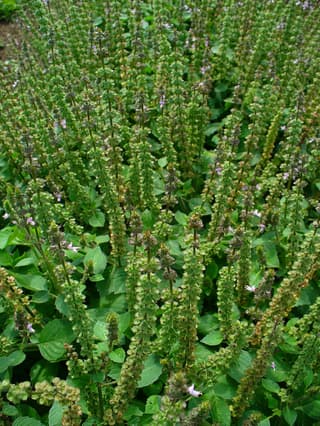
Hoary Basil
Ocimum americanum
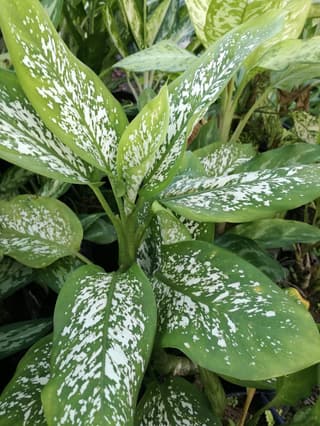
Spotted Dumb Cane
Dieffenbachia picta
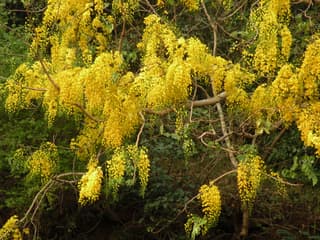
Golden shower tree
Cassia fistula
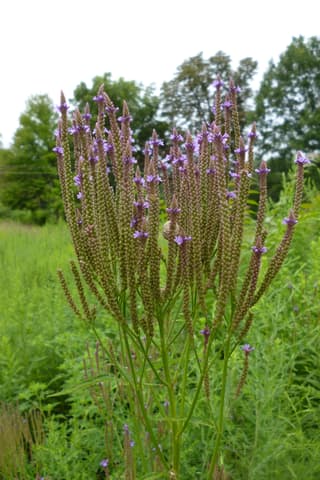
Blue Vervain
Verbena hastata
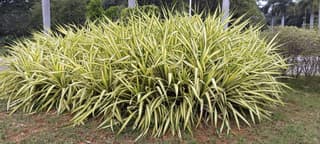
Screw Pine
Pandanus

Bougainvillea
Bougainvillea peruviana
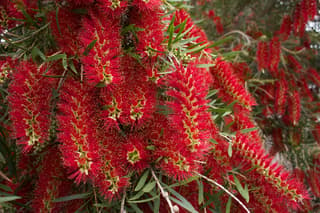
Weeping Bottlebrush
Melaleuca viminalis
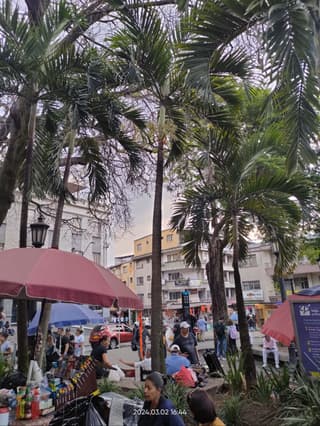
Areca palm
Chrysalidocarpus lutescens
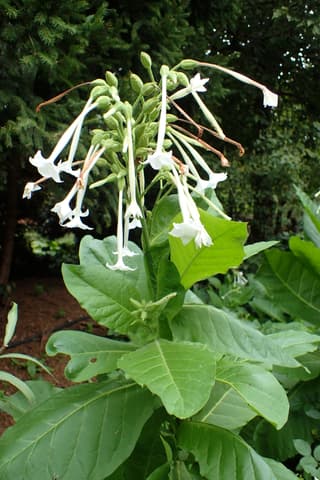
Woodland Tobacco
Nicotiana sylvestris
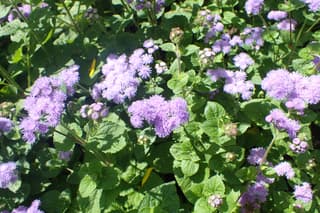
Floss Flower
Ageratum houstonianum
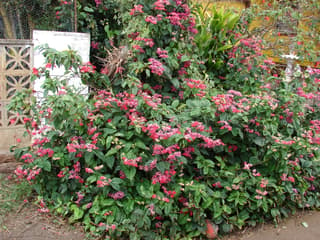
Red Bleeding Heart Vine
Clerodendrum × speciosum
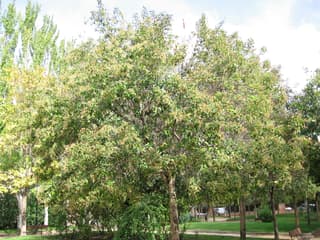
Japanese Privet
Ligustrum japonicum
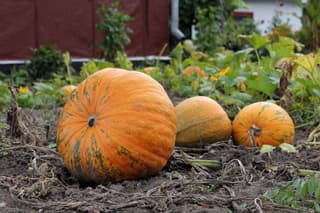
Squash
Cucurbita
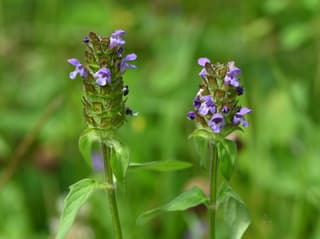
Self-Heal
Prunella vulgaris
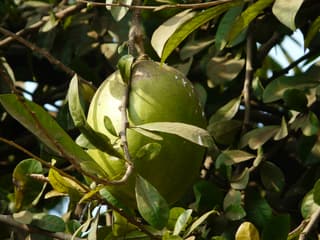
Pomelo
Citrus maxima
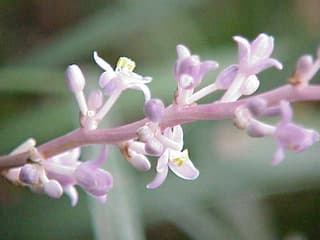
White Lilyturf
Ophiopogon jaburan
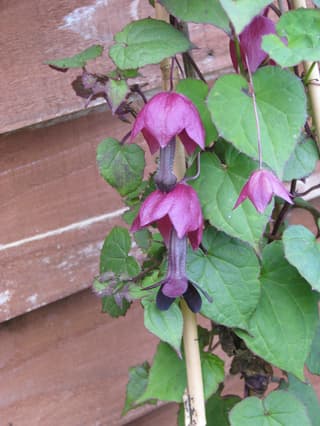
Purple Bells
Rhodochiton atrosanguineus
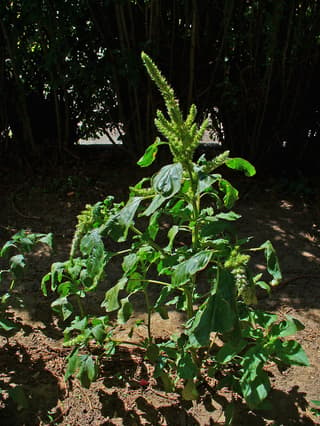
Smooth Amaranth
Amaranthus hybridus
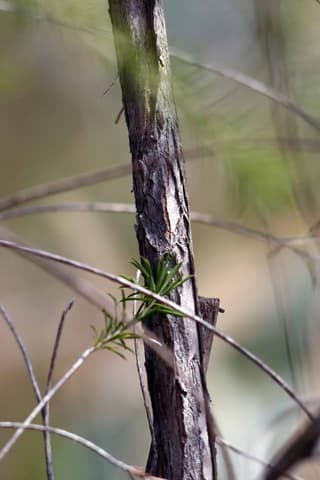
Bracelet Honey Myrtle
Melaleuca armillaris
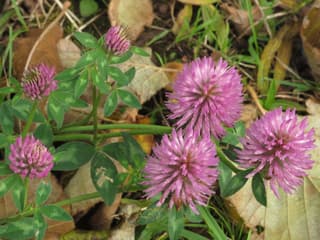
Red Clover
Trifolium pratense
Pasco County Climate for Plant Growing
Pasco County has a climate with an average annual temperature of 22.7°C and average relative humidity of 74.3%. These climate conditions are ideal for various species of ornamental and fruit plants.
Tips for Growing Plants in Pasco County
To succeed in growing plants in Pasco County, consider the average temperature of 22.7°C when choosing your species. The temperate climate allows you to grow a wide variety of species. High humidity favors tropical plants, but watch for fungal issues.
Why Choose Plants Adapted to the Local Climate?
Plants adapted to Pasco County's climate require less care, consume less water, and are more likely to thrive. Our selection considers the compatibility between each species' needs and local climate conditions, including temperature (22.7°C) and humidity (74.3%).