Araliaceae
Shield Aralia: Medicinal Uses & Care Tips
Polyscias scutellaria
Give it bright indirect light, keep the soil evenly moist without waterlogging, and maintain moderate-to-high humidity. It is a slow grower that rewards consistency more than heavy feeding, and it tolerates pruning well if it gets leggy.
Every 7 days
Partial shade
15° - 29°C
50% - 70%
Categories
What is Shield Aralia?
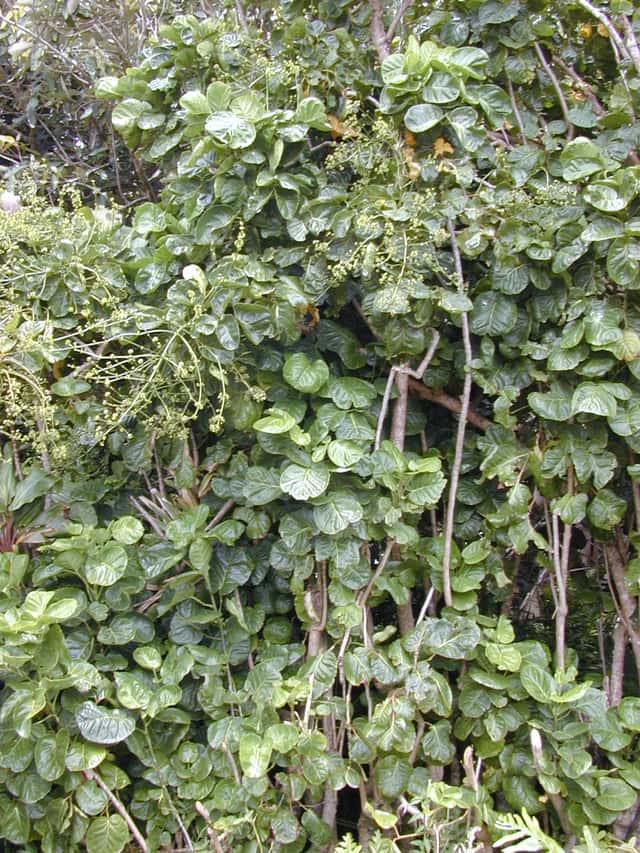
Shield Aralia (Polyscias scutellaria) is a medium-care plant from the Araliaceae family. Shield aralia is a compact tropical shrub from the Southwest Pacific islands, prized for its glossy, rounded, bowl-shaped leaves that grow in clusters at the branch tips. Indoors it stays fairly compact and slow-growing, making it a popular choice as a structured accent or bonsai-style specimen. In...
Shield Aralia grows up to 2.0m, spread of 100cm, watering every 7 days, 15°C – 29°C, 50–70% humidity. It is suitable for indoor environments and not safe for pets.
Without precautions, ingestion can cause irritation in pets. Keep out of reach of cats and dogs. Without adequate drainage, root rot can develop within 14 days.
How to Care for Shield Aralia?
TLDR: Shield Aralia needs Partial shade, watering every 7 days, and temperatures between 15-29°C with 50-70% humidity.
How Often Should You Water Shield Aralia?
Water when the top 2-3cm of soil feels dry, watering thoroughly until it drains, then letting the surface dry slightly before the next watering. Reduce frequency in winter.
How Much Light Does Shield Aralia Need?
Place in bright, indirect light; a spot near an east or filtered south/west window works well. Avoid harsh direct midday sun, which can scorch the rounded leaves.
What Is the Best Soil for Shield Aralia?
Use a rich, well-draining mix — standard potting soil cut with perlite and a little coarse sand or coco coir keeps roots aerated while retaining some moisture.
What Pot Should You Use for Shield Aralia?
A terracotta or unglazed ceramic pot with drainage holes is ideal — the porous material helps excess moisture evaporate and reduces the risk of root rot in this humidity-loving but rot-sensitive species.
Care Schedule
Fertilize
Every 30 days
Misting
Every 5 days
Rotate
Every 14 days
Repot
Every 730 days
What Is Shield Aralia and Where Does It Come From?
Shield aralia is a compact tropical shrub from the Southwest Pacific islands, prized for its glossy, rounded, bowl-shaped leaves that grow in clusters at the branch tips. Indoors it stays fairly compact and slow-growing, making it a popular choice as a structured accent or bonsai-style specimen. In its native range it can reach several meters as an understory shrub, but potted specimens are easily kept small with light pruning.
How to Propagate Shield Aralia?
Stem cutting
Rooting can be slow and inconsistent; bottom heat and consistent humidity improve success rates noticeably.
- 1 Select a healthy stem tip with 2-3 leaves and cut 10-15cm below it using clean, sharp shears
- 2 Remove the lowest leaf and let the cut end callous for a few hours
- 3 Dip the cut end in rooting hormone and insert into a moist, well-draining mix or a jar of water
- 4 Keep in bright indirect light with high humidity (cover with a clear bag or cloche) until roots form
Materials needed:
How Big Does Shield Aralia Grow?
TLDR: Shield Aralia can reach up to 2.0m tall with Slow growth rate.
Max height
2.0m
Spread
1.0m
Growth rate
Slow
Foliage
Evergreen
Warning: Toxic Plant
This plant can be toxic if ingested. Keep out of reach of:
Plant Uses
Ornamental
Great for decoration
Air Purifying
Improves air quality
Medicinal
Medicinal properties
Medicinal Uses
- Wound healing and antiseptic leaf poultices
- Traditional postpartum recovery aid
- Support for breast milk production
- Anti-inflammatory and digestive tonic
- Toothache relief
Culinary Uses
- Leaves used as a natural, tear-resistant food wrapping or bowl substitute in Indonesian cuisine
- Young leaves added to stews
- Shredded leaves mixed with meat or fish to mask strong odors
Is your plant showing symptoms?
Click on the symptom to discover possible causes:
What Diseases Commonly Affect Shield Aralia?
TLDR: Shield Aralia is susceptible to 7 known diseases. Monitor regularly for early detection.
Root Rot
Root rot is a serious fungal disease that affects the root system of plants, causing them to decay and die. It is primarily caused by overwatering, poor drainage, or soil-borne fungi such as Pythium, Phytophthora, Rhizoctonia, and Fusarium. The disease thrives in waterlogged conditions where roots are deprived of oxygen, making them susceptible to fungal infection.
Spider Mites
Spider mites are tiny arachnids (less than 1/20 inch long) related to spiders and ticks that feed on plant sap. They thrive in hot, dry conditions and can cause significant damage to ornamental and vegetable plants. During severe infestations, crop losses can reach 14% or higher as these pests disrupt vital plant processes including photosynthesis, carbon dioxide absorption, and transpiration.
Mealybugs
Mealybugs are small, soft-bodied insects covered with a white, waxy, cottony material. They are common pests of houseplants and outdoor plants in mild climates. These sap-sucking insects feed on plant tissue, causing damage, stunted growth, and can lead to plant death if left untreated. They produce sticky honeydew which attracts sooty mold.
Scale Insects
Scale insects are small sap-sucking pests that appear as brown, shell-like bumps on plant stems and leaves. There are over 25 species, divided into armored (hard) and unarmored (soft) scales. They feed by piercing plant tissue and extracting sap, which weakens the plant and can lead to yellowing, stunted growth, and even death if left untreated. They also excrete honeydew, which attracts ants and promotes sooty mold growth.
Meaning & Symbolism
In parts of the Pacific Islands and Southeast Asia, shield aralia's sturdy, shield-shaped leaves are traditionally seen as a symbol of protection, resilience, and quiet strength, and the plant is often kept near entrances as a guard against harm.
Compare with similar plants
| Attribute | Difficulty | Light | Watering | Pet Safe |
|---|---|---|---|---|
| Dark Fieldcap | Medium | Low light | 2d | ⚠️ |
| Azalea | Medium | Partial shade | 3d | ⚠️ |
| Muriel's Bamboo | Medium | Partial shade | 3d | ✓ |
| Bougainvillea | Medium | Direct sun | 7d | ⚠️ |




