306 Best Succulents for Pollone | 2026 Guide - Page 5
The 306 best succulents to grow in Pollone. Ideal climate: 12.5°C, 68.3% humidity.
306 Succulents for Pollone
Showing 145-180 of 306

Black Echeveria
Echeveria affinis
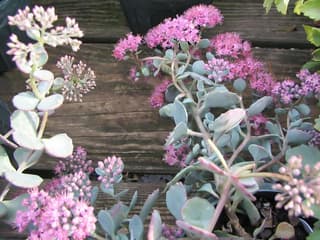
October Daphne
Sedum sieboldii
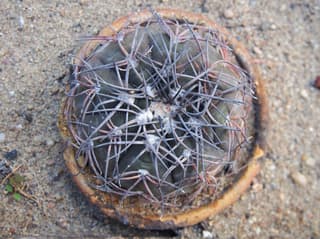
Pflanz's Chin Cactus
Gymnocalycium pflanzii
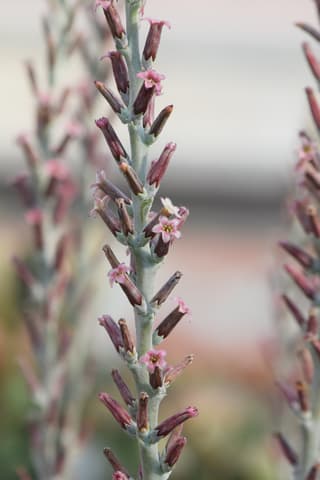
Plover Eggs Plant
Adromischus cooperi
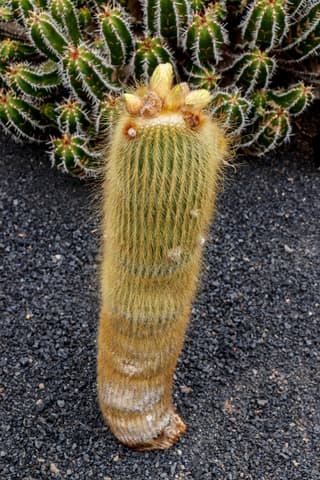
Golden Ball Cactus
Parodia leninghausii
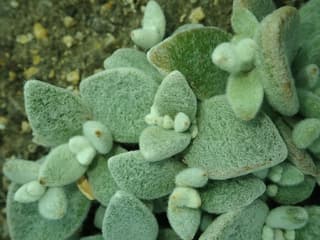
Snow white panda plant
Kalanchoe eriophylla

Giant Velvet Rose
Aeonium canariense
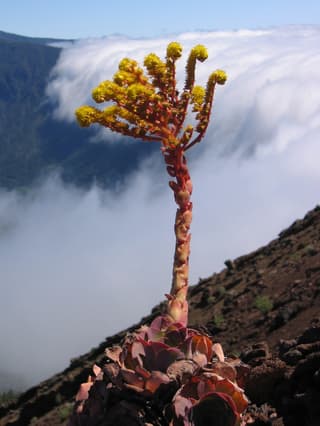
Canary Island Rose
Aeonium aureum
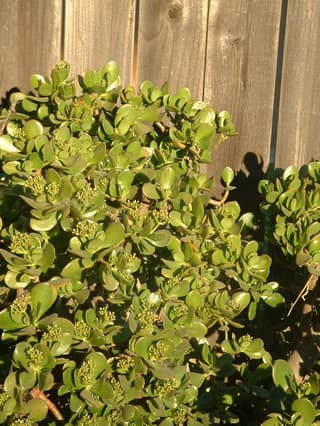
Jade Plant
Crassula ovata
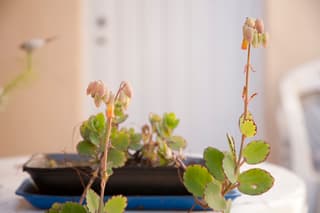
Lavender Scallops
Kalanchoe fedtschenkoi
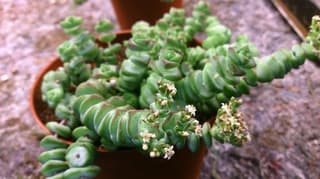
Worm Plant
Crassula marnieriana
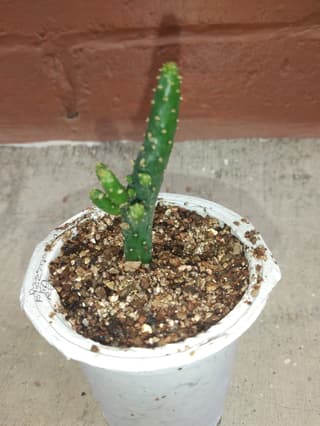
Tuna Prickly Pear
Opuntia tuna
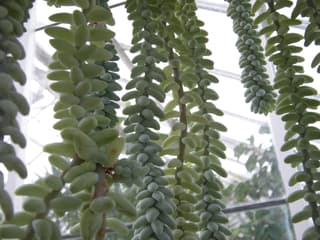
Baby Burro's Tail
Sedum burritum

Sim's Aeonium
Aeonium simsii

Gray Ghost Organ Pipe Cactus
Stenocereus pruinosus
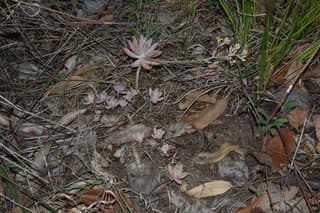
Graptosedum Ghosty
Graptosedum 'Ghosty'
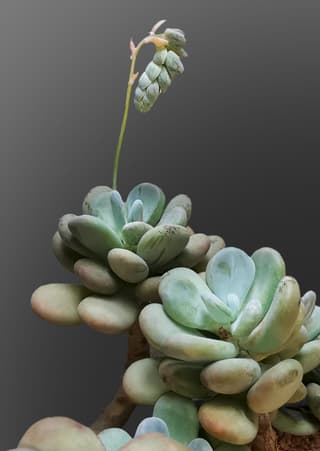
Moonstones
Pachyphytum
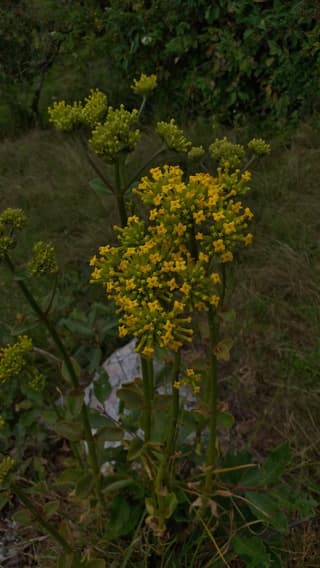
Dense-flowered Kalanchoe
Kalanchoe densiflora
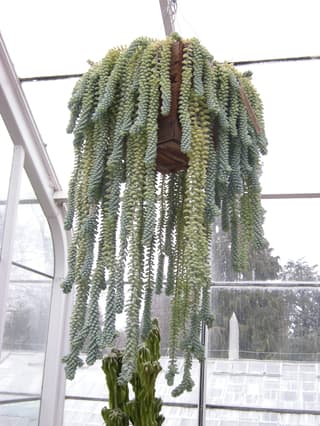
Baby Donkey Tail
Sedum burrito
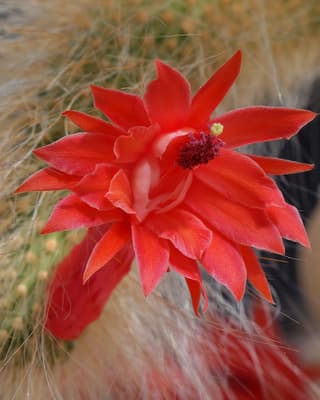
Monkey's Tail Cactus
Hildewintera colademononis
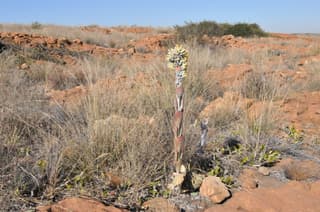
Paddle Plant
Kalanchoe thyrsiflora
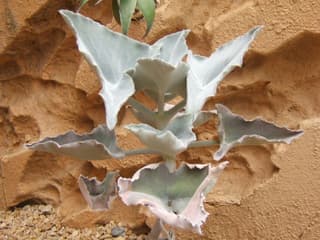
Velvet Elephant Ear
Kalanchoe beharensis
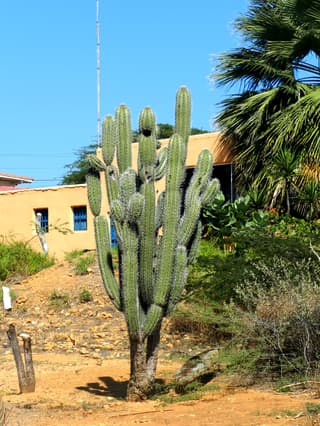
Peruvian Apple Cactus
Cereus repandus
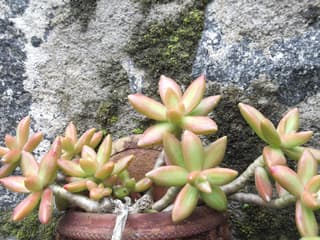
Golden Sedum
Sedum adolphii
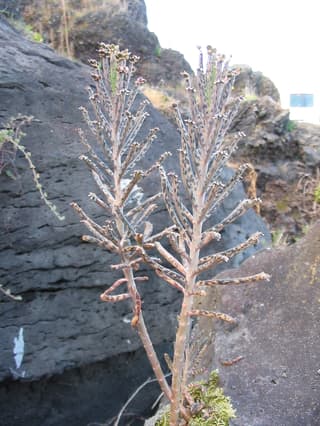
Mother of Millions
Kalanchoe delagoensis
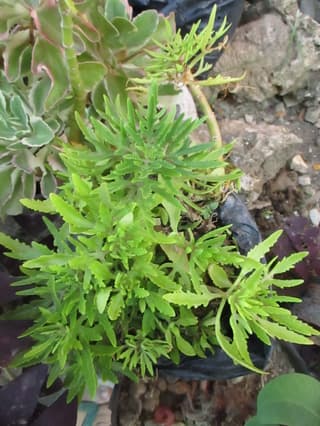
Horned-leaf Kalanchoe
Kalanchoe ceratophylla
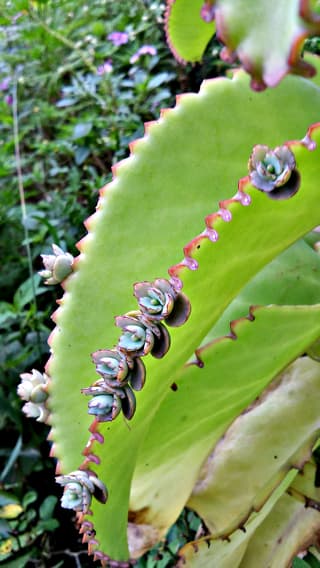
Big Mama Kalanchoe
Kalanchoe laetivirens
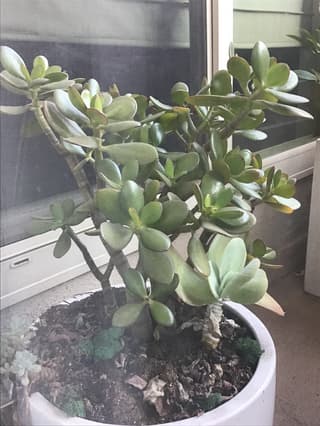
Crassula (genus)
Crassula
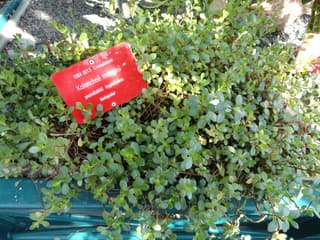
Chandelier Plant
Kalanchoe manginii
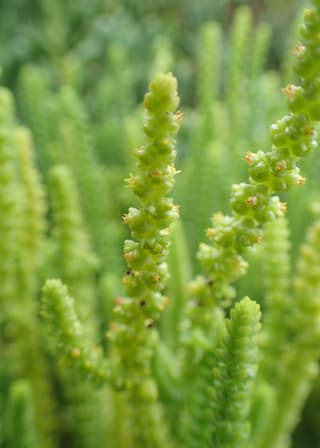
Watch Chain Plant
Crassula muscosa
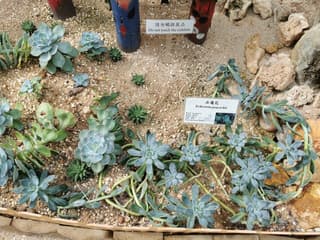
Peacock Echeveria
Echeveria peacockii
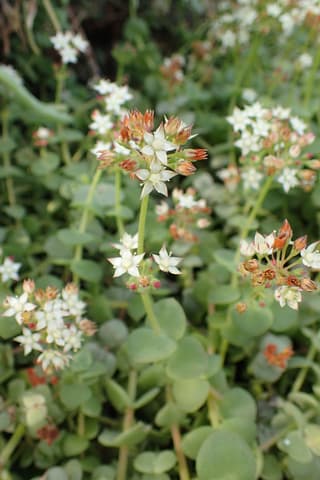
Calico Kitten
Crassula pellucida
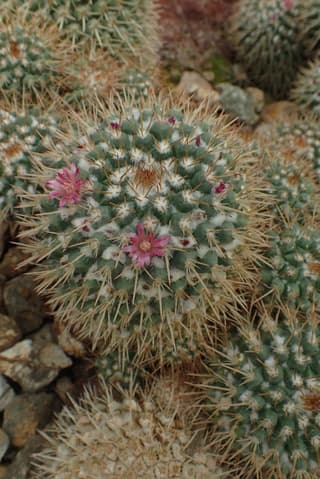
Backeberg's Pincushion Cactus
Mammillaria backebergiana
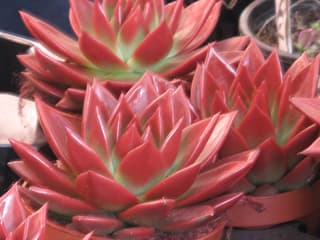
Miranda Echeveria
Echeveria 'Miranda'
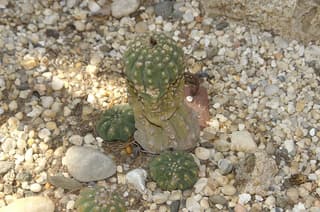
Madison Cactus
Matucana madisoniorum

Chin Cactus
Gymnocalycium
Ideal Succulents for Pollone's Climate
Pollone has an average temperature of 12.5°C and humidity of 68.3%, conditions that directly influence which succulents best adapt to the local environment.
How to Grow Succulents in Pollone
To successfully grow succulents in Pollone, consider that the average temperature of 12.5°C and humidity of 68.3% create a specific microclimate. Moderate humidity is favorable for most species in this category.
Advantages of Choosing Adapted Succulents
Succulents adapted to Pollone's climate show greater resistance, healthy growth, and less need for interventions.