500 Best Pet Safe for Queensland | 2026 Guide - Page 14
The 500 best pet safe to grow in Queensland. Ideal climate: 20°C, 73% humidity.
500 Pet Safe for Queensland
Showing 469-500 of 500
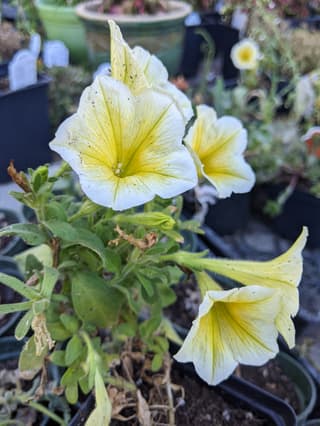
Garden Petunia
Petunia x hybrida
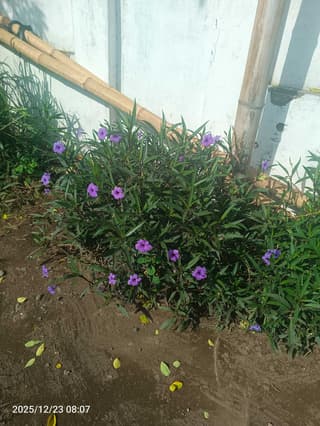
Wild Petunia
Ruellia
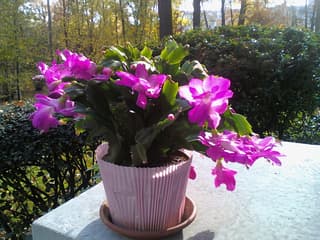
Thanksgiving Cactus
Schlumbergera truncata
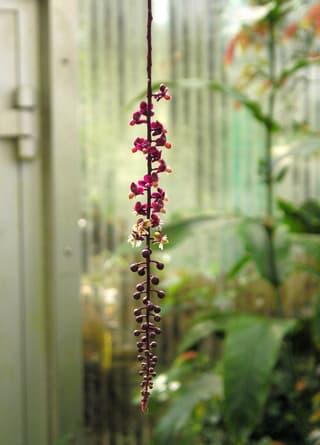
Peacock Plant
Calathea makoyana
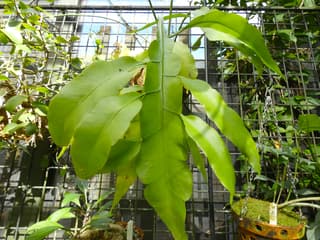
Queen of the Night
Epiphyllum oxypetalum

Noble Dendrobium
Dendrobium nobile
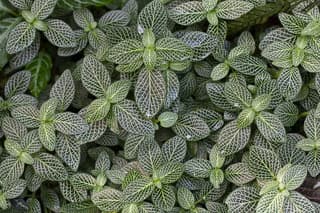
Nerve Plant
Fittonia albivenis
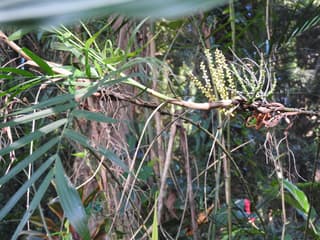
Bamboo Palm
Chamaedorea seifrizii
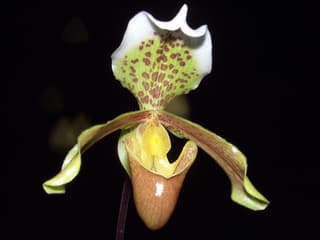
Lady Slipper Orchid
Paphiopedilum insigne
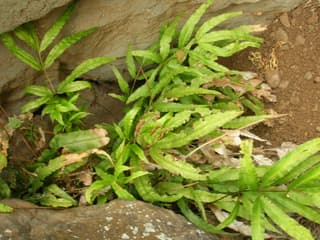
Cretan Brake Fern
Pteris cretica
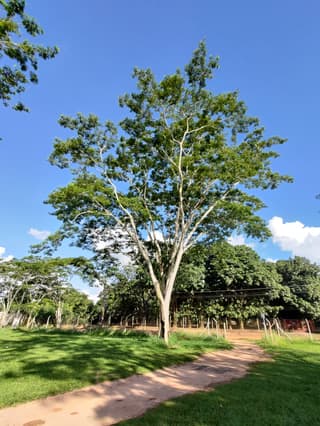
White Silk Tree
Albizia niopoides
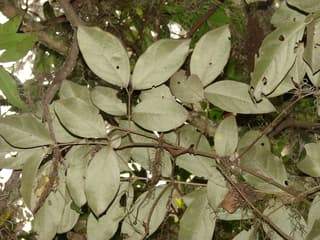
Peanut Butter Fruit Tree
Bunchosia argentea
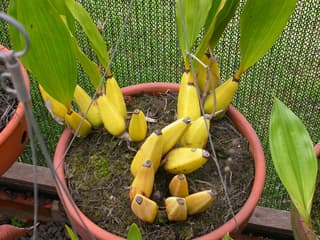
Harrison's Bifrenaria
Bifrenaria harrisoniae
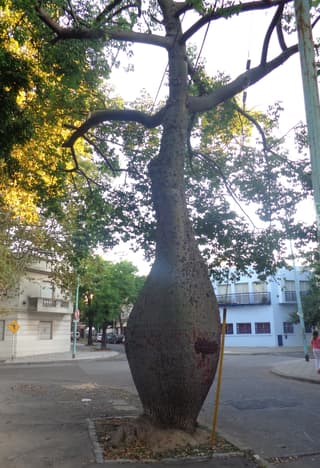
Silk Floss Tree
Ceiba speciosa
Whitemouth Dayflower
Commelina erecta
Lemon Balm
Melissa officinalis
Lady Slipper Orchid
Paphiopedilum sp
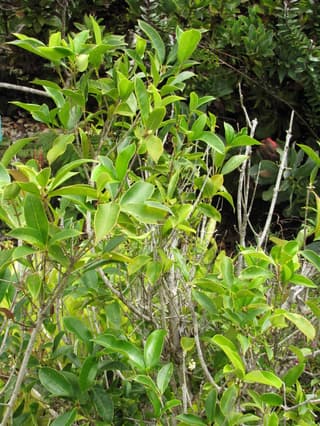
Sweet Olive
Osmanthus fragrans
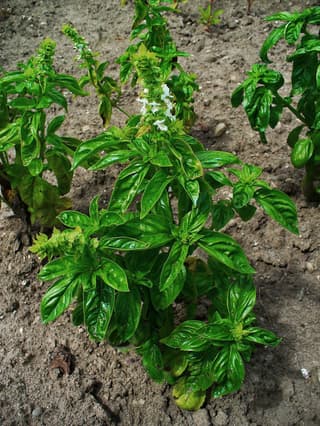
Sweet Basil
Ocimum basilicum

Cape Primrose
Streptocarpus
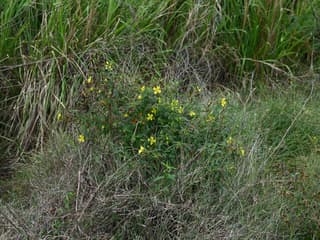
Mexican Primrose-Willow
Ludwigia octovalvis
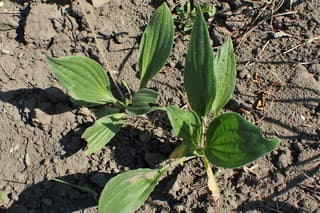
Asian Plantain
Plantago asiatica
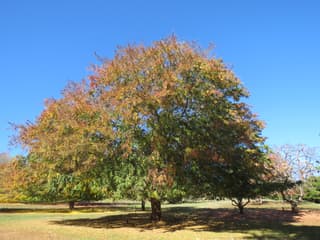
Chinese Elm
Ulmus parvifolia
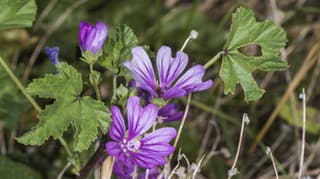
High mallow
Malva sylvestris
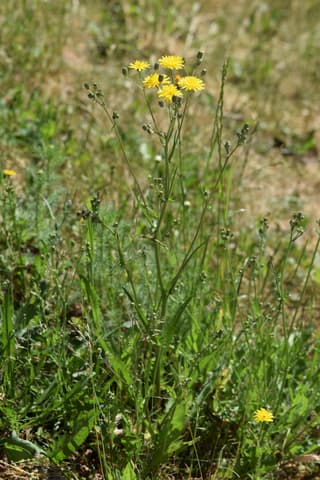
smooth hawksbeard
Crepis capillaris
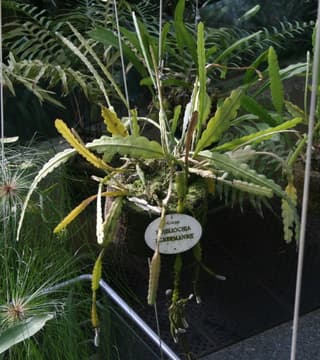
Orchid Cactus
Disocactus
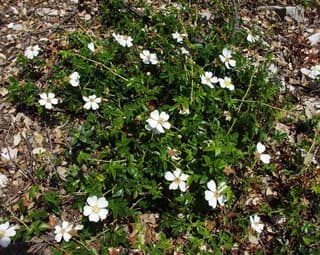
Evergreen Rose
Rosa sempervirens
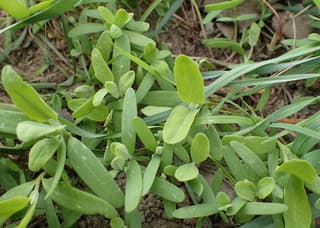
Common Orache
Atriplex patula
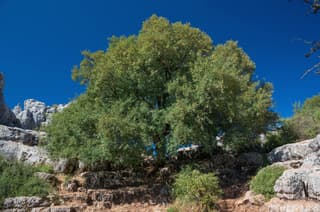
Montpellier maple
Acer monspessulanum
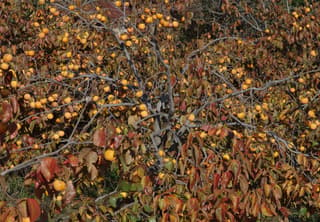
Japanese Persimmon
Diospyros kaki
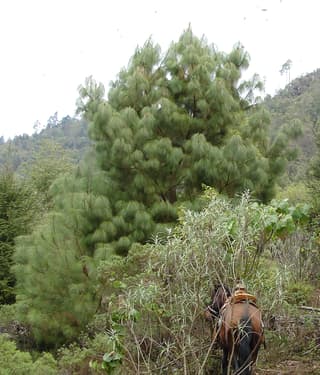
Smooth-bark Mexican Pine
Pinus pseudostrobus
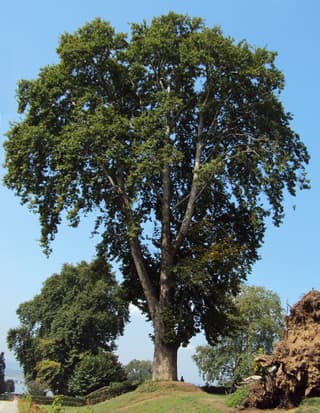
Plane Tree
Platanus
Ideal Pet Safe for Queensland's Climate
Queensland has an average temperature of 20°C and humidity of 73%, conditions that directly influence which pet safe best adapt to the local environment.
How to Grow Pet Safe in Queensland
To successfully grow pet safe in Queensland, consider that the average temperature of 20°C and humidity of 73% create a specific microclimate. High humidity favors tropical species, but requires attention to ventilation to prevent fungal issues.
Advantages of Choosing Adapted Pet Safe
Pet Safe adapted to Queensland's climate show greater resistance, healthy growth, and less need for interventions.