Cactaceae
Queen of the Night: Medicinal Uses & Care Tips
Epiphyllum oxypetalum
Moderate care plant. Requires bright indirect light, moderate watering allowing soil to dry between waterings, and high ambient humidity. Ideal temperature between 18-27°C (65-80°F). Protect from frost and intense direct sunlight.
Every 7 days
Partial shade
10° - 27°C
30% - 70%
Categories
What is Queen of the Night?
Queen of the Night (Epiphyllum oxypetalum) is a medium-care plant from the Cactaceae family. Epiphyllum oxypetalum is a spectacular epiphytic cactus native to Central America, famous for its stunning white nocturnal flowers that can reach up to 30 cm in diameter. The flowers open only for one night, releasing a sweet and intense fragrance, and wilt by dawn. It is a fast-growing plant that c...
Queen of the Night grows up to 3.0m, spread of 90cm, watering every 7 days, 10°C – 27°C, 30–70% humidity. It is suitable for indoor environments and safe for pets.
Unlike many popular species, Queen of the Night is safe to keep around pets. Without adequate drainage, root rot can develop within 14 days.
How to Care for Queen of the Night?
TLDR: Queen of the Night needs Partial shade, watering every 7 days, and temperatures between 10-27°C with 30-70% humidity.
How Often Should You Water Queen of the Night?
Water once a week in summer, every 10 days in winter. Allow the top layer of soil to dry between waterings. Avoid waterlogging which causes root rot.
How Much Light Does Queen of the Night Need?
Bright indirect light is ideal. Place near east or west-facing windows. Avoid intense direct sunlight which can burn the stems. Tolerates partial shade.
What Is the Best Soil for Queen of the Night?
Use well-draining, slightly acidic soil (pH 5.5-6.5). Ideal mix: coconut coir, peat, worm castings with perlite and vermiculite. Replace soil every 2 years.
What Pot Should You Use for Queen of the Night?
Pot with excellent drainage, preferably terracotta or porous ceramic. Drainage holes are essential to prevent root rot.
Care Schedule
Fertilize
Every 30 days
Repot
Every 730 days
What Is Queen of the Night and Where Does It Come From?
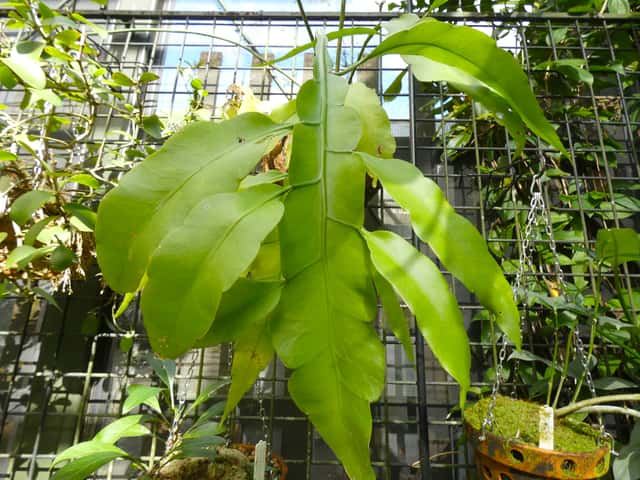
Epiphyllum oxypetalum is a spectacular epiphytic cactus native to Central America, famous for its stunning white nocturnal flowers that can reach up to 30 cm in diameter. The flowers open only for one night, releasing a sweet and intense fragrance, and wilt by dawn. It is a fast-growing plant that can reach up to 3 meters in height, with flattened stems that function as leaves (phylloclades) with wavy edges. Unlike other cacti, it has no spines.
How to Propagate Queen of the Night?
Stem cuttings
- Use cuttings from mature stems
- Avoid overwatering during rooting
- 1 Cut a stem segment of 15-20 cm (6-8 inches)
- 2 Let the cut dry for 2-3 days to form callus
- 3 Plant in slightly moist cactus soil
- 4 Keep in partial shade until rooted
- 5 Roots develop in 2-4 weeks
Materials needed:
How Big Does Queen of the Night Grow?
TLDR: Queen of the Night can reach up to 3.0m tall with Fast growth rate.
Max height
3.0m
Spread
90cm
Growth rate
Fast
Foliage
Evergreen
Plant Uses
Ornamental
Great for decoration
Medicinal
Medicinal properties
Medicinal Uses
- Treatment of respiratory conditions
- Relief of menstrual conditions
- Anti-inflammatory properties
Is your plant showing symptoms?
Click on the symptom to discover possible causes:
What Diseases Commonly Affect Queen of the Night?
TLDR: Queen of the Night is susceptible to 10 known diseases. Monitor regularly for early detection.
Mealybugs
Mealybugs are small, soft-bodied insects covered with a white, waxy, cottony material. They are common pests of houseplants and outdoor plants in mild climates. These sap-sucking insects feed on plant tissue, causing damage, stunted growth, and can lead to plant death if left untreated. They produce sticky honeydew which attracts sooty mold.
Spider Mites
Spider mites are tiny arachnids (less than 1/20 inch long) related to spiders and ticks that feed on plant sap. They thrive in hot, dry conditions and can cause significant damage to ornamental and vegetable plants. During severe infestations, crop losses can reach 14% or higher as these pests disrupt vital plant processes including photosynthesis, carbon dioxide absorption, and transpiration.
Scale Insects
Scale insects are small sap-sucking pests that appear as brown, shell-like bumps on plant stems and leaves. There are over 25 species, divided into armored (hard) and unarmored (soft) scales. They feed by piercing plant tissue and extracting sap, which weakens the plant and can lead to yellowing, stunted growth, and even death if left untreated. They also excrete honeydew, which attracts ants and promotes sooty mold growth.
Powdery Mildew
Powdery mildew is a common fungal disease caused by various fungi species including Erysiphe, Podosphaera, Oïdium, and Leveillula. It affects over 10,000 plant species worldwide. The disease thrives in warm, dry climates with high humidity and appears as a distinctive white powdery coating on plant surfaces.
Meaning & Symbolism
Symbolizes ephemeral beauty, renewal, and patience. In many Asian cultures it is associated with good luck and wish fulfillment. Teaches appreciation for life's fleeting moments.
Compare with similar plants
| Attribute | Difficulty | Light | Watering | Pet Safe |
|---|---|---|---|---|
| Dark Fieldcap | Medium | Low light | 2d | ⚠️ |
| Azalea | Medium | Partial shade | 3d | ⚠️ |
| Muriel's Bamboo | Medium | Partial shade | 3d | ✓ |
| Bougainvillea | Medium | Direct sun | 7d | ⚠️ |




