500 Best Pet Safe for San Francisco | 2026 Guide - Page 13
The 500 best pet safe to grow in San Francisco. Ideal climate: 13.2°C, 78.7% humidity.
500 Pet Safe for San Francisco
Showing 433-468 of 500
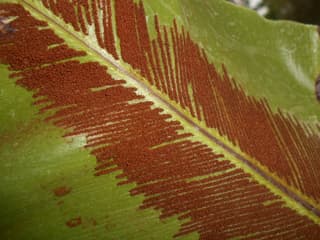
Bird's Nest Fern
Asplenium nidus
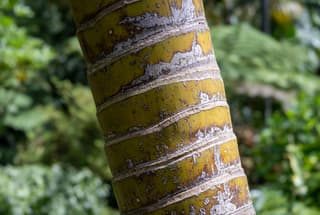
Areca Palm
Dypsis lutescens
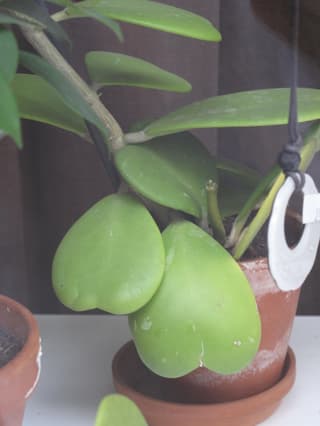
Sweetheart Hoya
Hoya kerrii
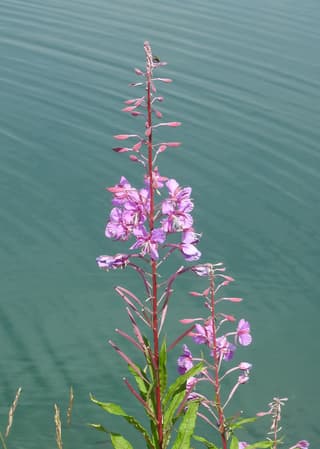
Willowherb / Fireweed (genus)
Epilobium
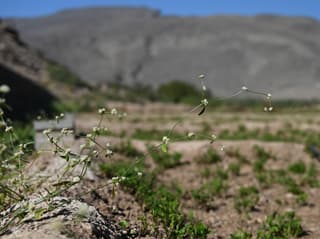
Calico Plant
Alternanthera bettzickiana
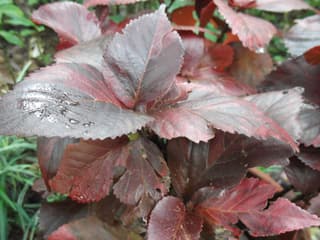
Jacob's Coat
Acalypha wilkesiana
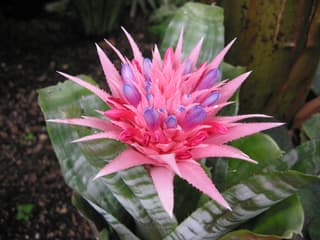
Urn Plant
Aechmea fasciata
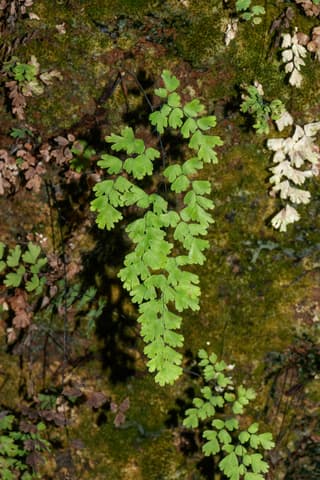
Maidenhair Fern
Adiantum capillus-veneris
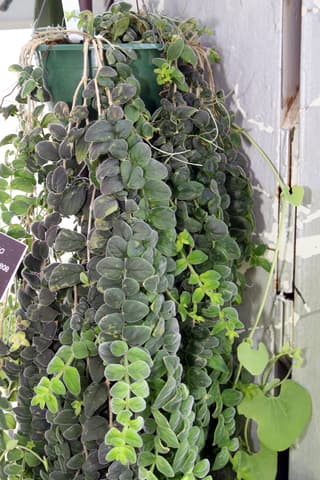
Goldfish plant
Columnea microcalyx
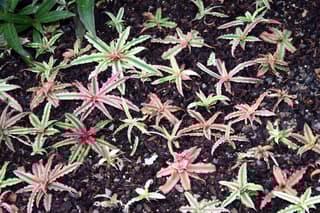
Earth Star
Cryptanthus bivittatus
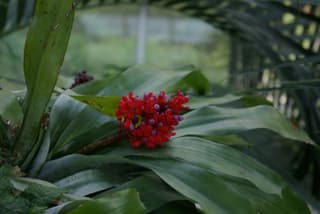
Coral Berry Bromeliad
Aechmea fulgens
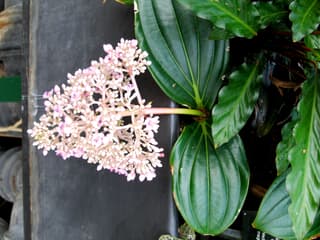
Rose Grape
Medinilla magnifica
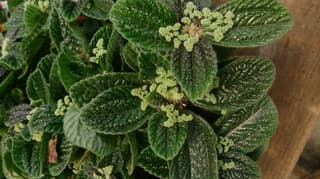
Friendship Plant
Pilea involucrata
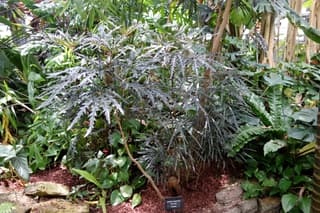
False Aralia
Plerandra elegantissima
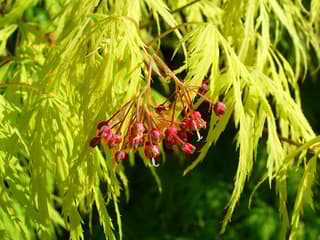
Japanese Maple
Acer palmatum
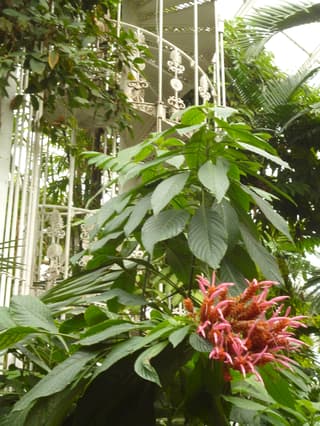
Coral Aphelandra
Aphelandra sinclairiana
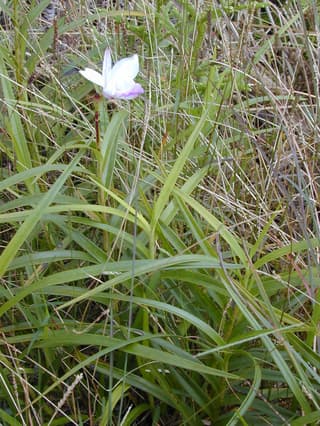
Bamboo Orchid
Arundina graminifolia
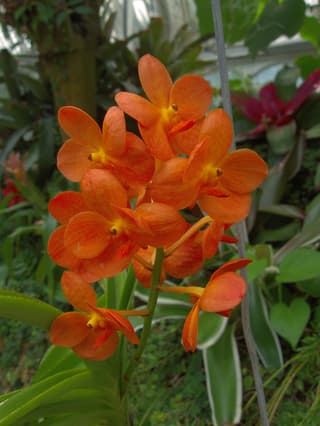
Ascocenda Orchid
Ascocenda
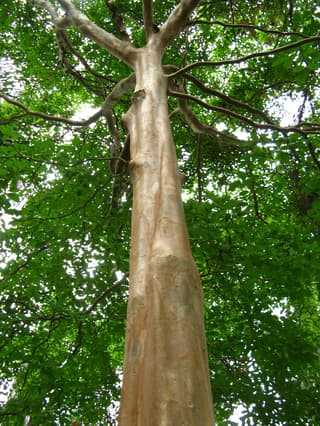
Capirona
Calycophyllum spruceanum
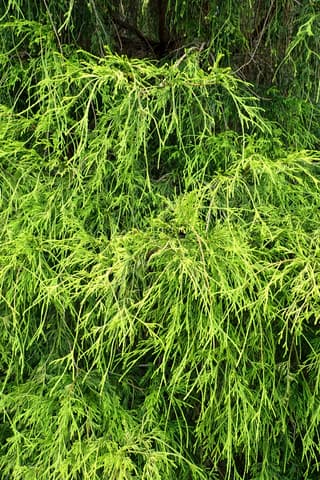
Golden Thread Cypress
Chamaecyparis pisifera filifera aurea
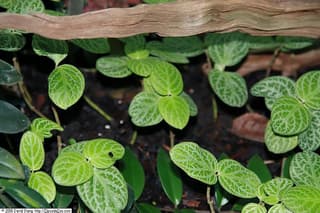
Veined Chamaeranthemum
Chamaeranthemum venosum
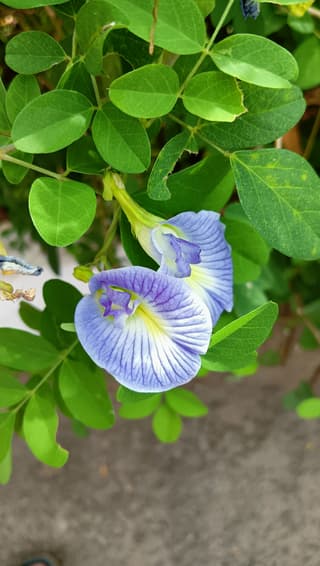
Butterfly Pea
Clitoria ternatea
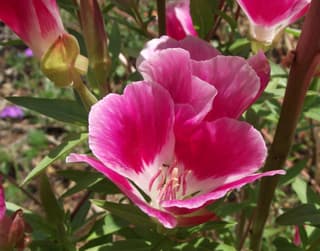
Farewell to Spring
Clarkia amoena
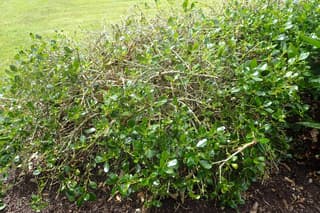
Mirror Plant
Coprosma repens
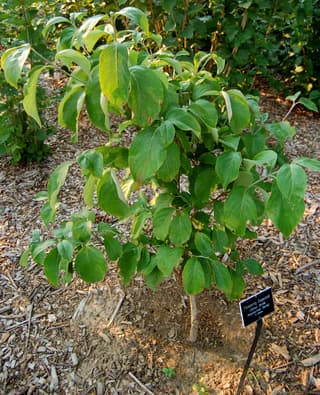
Flowering Dogwood
Cornus florida
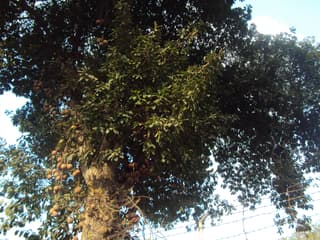
Cannonball Tree
Couroupita guianensis
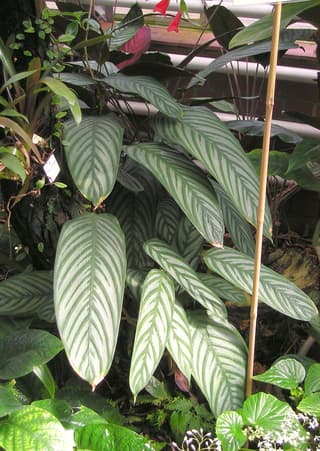
Grey Star
Ctenanthe setosa
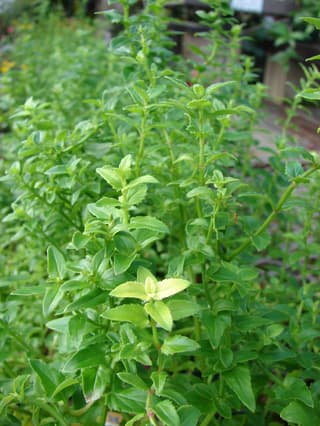
Twinspur
Diascia spp
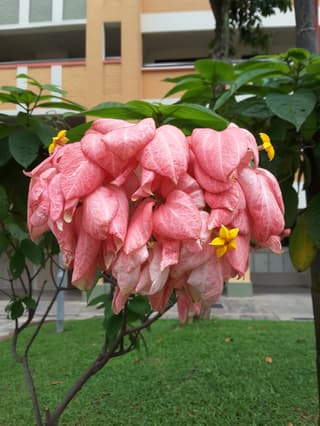
Dona Alicia Mussaenda
Mussaenda alicia
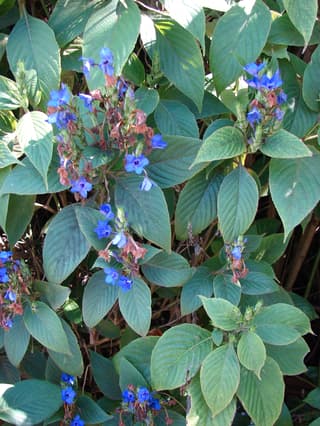
Blue Sage
Eranthemum pulchellum
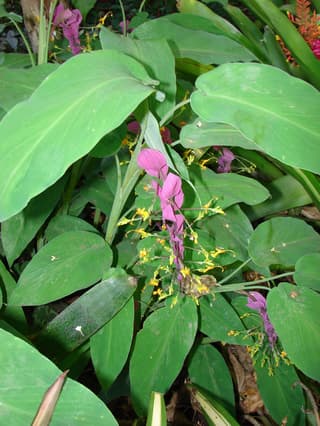
Dancing Lady Ginger
Globba winitii
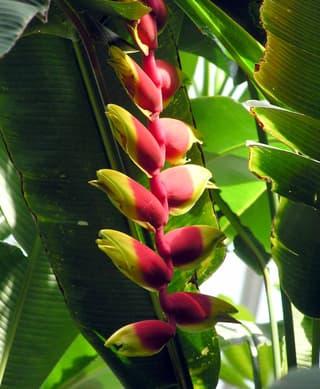
Hanging Lobster Claw
Heliconia rostrata
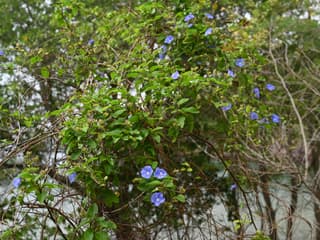
Skyblue Clustervine
Jacquemontia pentanthos
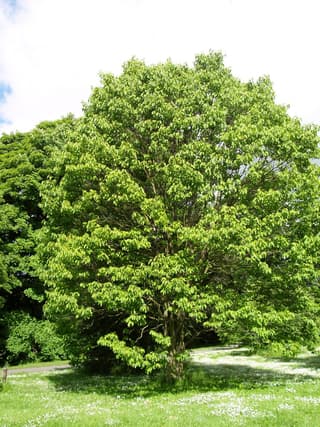
Japanese Raisin Tree
Hovenia dulcis
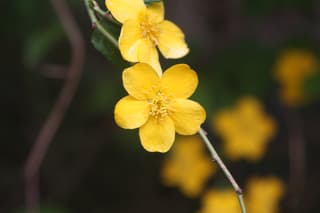
Japanese Kerria
Kerria japonica
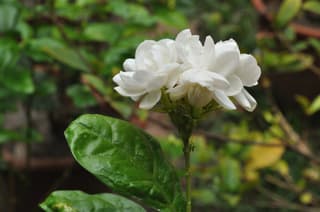
Arabian Jasmine
Jasminum sambac
Ideal Pet Safe for San Francisco's Climate
San Francisco has an average temperature of 13.2°C and humidity of 78.7%, conditions that directly influence which pet safe best adapt to the local environment.
How to Grow Pet Safe in San Francisco
To successfully grow pet safe in San Francisco, consider that the average temperature of 13.2°C and humidity of 78.7% create a specific microclimate. High humidity favors tropical species, but requires attention to ventilation to prevent fungal issues.
Advantages of Choosing Adapted Pet Safe
Pet Safe adapted to San Francisco's climate show greater resistance, healthy growth, and less need for interventions.