Cornaceae
Flowering Dogwood (Cornus florida): Complete Care Guide
Cornus florida
Flowering Dogwood thrives in partial shade to full sun with moist, well-drained, slightly acidic soil. Water weekly during dry periods, fertilize in early spring, and prune after flowering. It is a moderate grower best suited for outdoor landscapes.
Every 7 days
Bright indirect
-15° - 35°C
40% - 70%
Categories
What is Flowering Dogwood?
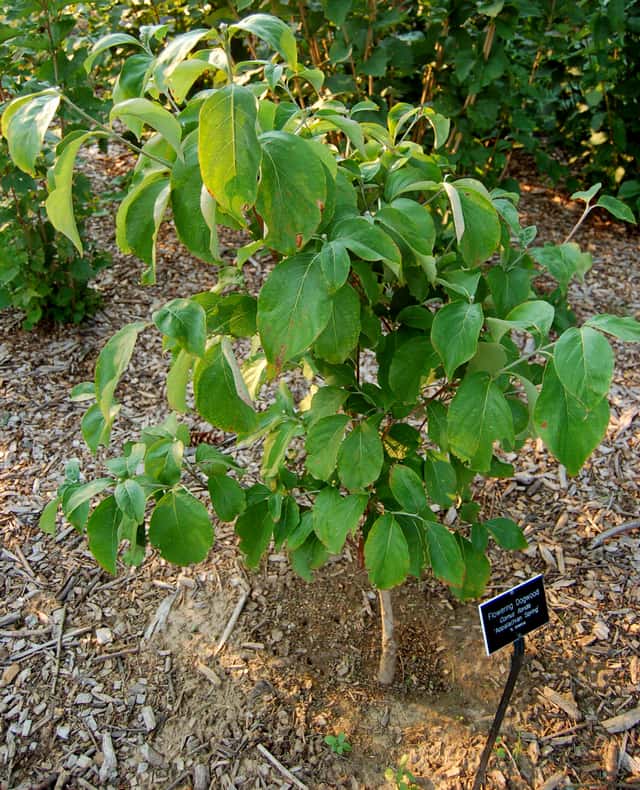
Flowering Dogwood (Cornus florida) is a medium-care plant from the Cornaceae family. Cornus florida, commonly known as the Flowering Dogwood, is a stunning small deciduous tree native to eastern North America. Beloved for its spectacular spring display of white or pink bracts that surround tiny true flowers, it also features brilliant red berries in fall and vibrant scarlet foliage....
Flowering Dogwood grows up to 7.6m, spread of 915cm, watering every 7 days, -15°C – 35°C, 40–70% humidity. It is not suitable for indoor environments and safe for pets.
Unlike many popular species, Flowering Dogwood is safe to keep around pets.
How to Care for Flowering Dogwood?
TLDR: Flowering Dogwood needs Bright indirect, watering every 7 days, and temperatures between -15-35°C with 40-70% humidity.
How Often Should You Water Flowering Dogwood?
Water deeply once a week during dry spells, aiming at the root zone. Avoid overhead watering to reduce the risk of foliar diseases like anthracnose and powdery mildew. Mulch the base to retain soil moisture.
How Much Light Does Flowering Dogwood Need?
Prefers dappled or partial shade, especially afternoon shade in hot climates. Morning sun helps promote flowering. Full sun is tolerated in cooler regions with adequate moisture.
What Is the Best Soil for Flowering Dogwood?
Plant in moist, well-drained, slightly acidic soil (pH 6.0–7.0) rich in organic matter. Avoid compacted, waterlogged, or alkaline soils. Adding compost at planting improves establishment significantly.
What Pot Should You Use for Flowering Dogwood?
Outdoors in garden beds or as a landscape specimen tree; not suitable for containers indoors.
Care Schedule
Fertilize
Every 90 days
What Is Flowering Dogwood and Where Does It Come From?
Cornus florida, commonly known as the Flowering Dogwood, is a stunning small deciduous tree native to eastern North America. Beloved for its spectacular spring display of white or pink bracts that surround tiny true flowers, it also features brilliant red berries in fall and vibrant scarlet foliage. It is the state tree of Virginia and Missouri, and the state flower of North Carolina.
How to Propagate Flowering Dogwood?
Seed Propagation
Seeds require cold stratification to break dormancy. Sow in fall outdoors for natural stratification.
- 1 Collect ripe red berries in fall
- 2 Remove pulp and clean seeds thoroughly
- 3 Cold-stratify seeds in moist sand for 90–120 days at 4°C
- 4 Sow in prepared seedbed in early spring
- 5 Keep seedbed moist; seedlings emerge in spring
Materials needed:
Softwood Cutting
Mist regularly and use a propagation dome to maintain humidity. Avoid direct sun.
- 1 Take 10–15 cm softwood cuttings in early summer
- 2 Remove lower leaves and dip cut end in rooting hormone
- 3 Insert into sand-peat mix and maintain high humidity
- 4 Keep in indirect light until roots develop
- 5 Transplant to individual pots once rooted
Materials needed:
How Big Does Flowering Dogwood Grow?
TLDR: Flowering Dogwood can reach up to 7.6m tall with Medium growth rate.
Max height
7.6m
Spread
9.2m
Growth rate
Medium
Foliage
Deciduous
Plant Uses
Ornamental
Great for decoration
Is your plant showing symptoms?
Click on the symptom to discover possible causes:
What Diseases Commonly Affect Flowering Dogwood?
TLDR: Flowering Dogwood is susceptible to 4 known diseases. Monitor regularly for early detection.
Anthracnose
Anthracnose is a fungal disease caused by fungi in the genus Colletotrichum that affects many plants, including vegetables, fruits, and trees. The disease thrives in cool, wet conditions, causing dark, sunken lesions on leaves, stems, flowers, and fruits.
Powdery Mildew
Powdery mildew is a common fungal disease caused by various fungi species including Erysiphe, Podosphaera, Oïdium, and Leveillula. It affects over 10,000 plant species worldwide. The disease thrives in warm, dry climates with high humidity and appears as a distinctive white powdery coating on plant surfaces.
Root Rot
Root rot is a serious fungal disease that affects the root system of plants, causing them to decay and die. It is primarily caused by overwatering, poor drainage, or soil-borne fungi such as Pythium, Phytophthora, Rhizoctonia, and Fusarium. The disease thrives in waterlogged conditions where roots are deprived of oxygen, making them susceptible to fungal infection.
Canker
Canker is a disease caused by various fungi and bacteria that create necrotic, sunken areas on bark of branches, stems, and trunks. Pathogens enter through wounds and natural openings, especially when plants are stressed. Canker can gradually weaken or kill branches by disrupting water and nutrient flow.
Meaning & Symbolism
The flowering dogwood symbolizes purity, renewal, and rebirth. In Christian tradition, its four petals represent the cross. For Native Americans, it was a symbol of protection and good fortune. It is celebrated each spring as a herald of the season.
Fun Facts
Cornus florida is the state tree of both Virginia and Missouri, and the state flower of North Carolina.
The four white bracts of the flower are not actually petals — the true flowers are the tiny cluster in the center.
Native Americans used the bark and roots of flowering dogwood medicinally to treat fevers and malaria-like symptoms.
Flowering Dogwood berries are an important food source for over 36 species of birds, including robins and bluebirds.
Frequently asked questions
How often should I water a Flowering Dogwood?
Is Flowering Dogwood toxic to pets?
When does Flowering Dogwood bloom?
Can Flowering Dogwood grow in full sun?
What are the most common problems with Flowering Dogwood?
Compare with similar plants
| Attribute | Difficulty | Light | Watering | Pet Safe |
|---|---|---|---|---|
| Dark Fieldcap | Medium | Low light | 2d | ⚠️ |
| Azalea | Medium | Partial shade | 3d | ⚠️ |
| Muriel's Bamboo | Medium | Partial shade | 3d | ✓ |
| Bougainvillea | Medium | Direct sun | 7d | ⚠️ |




