500 Best Pet Safe for São Bento do Sul | 2026 Guide - Page 9
The 500 best pet safe to grow in São Bento do Sul. Ideal climate: 17.3°C, 85.9% humidity.
500 Pet Safe for São Bento do Sul
Showing 289-324 of 500

London plane
Platanus × hispanica
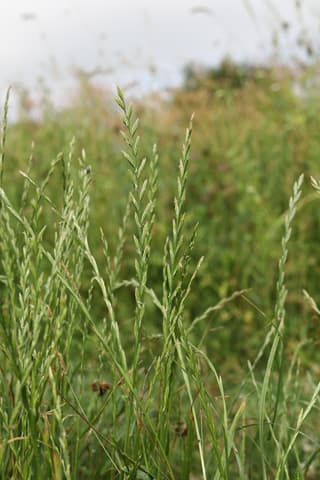
Perennial ryegrass
Lolium perenne
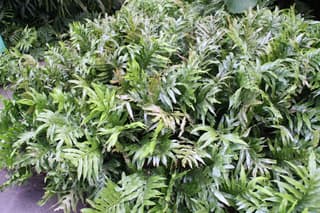
Wart Fern
Phymatosorus scolopendria
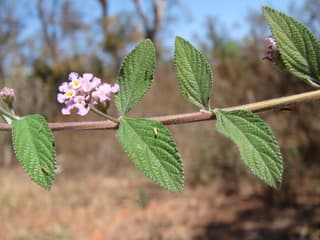
Bushy Lippia
Lippia alba
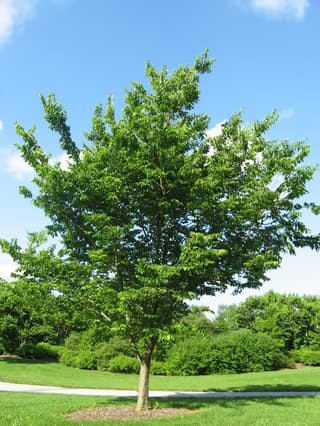
Common hackberry
Celtis occidentalis
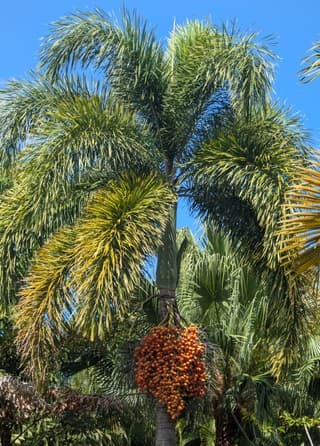
foxtail palm
Wodyetia
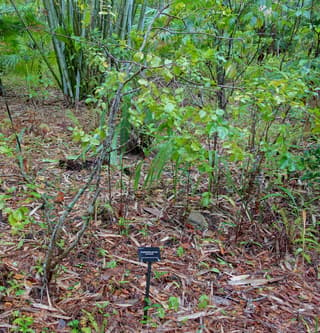
Black Ironwood
Krugiodendron ferreum
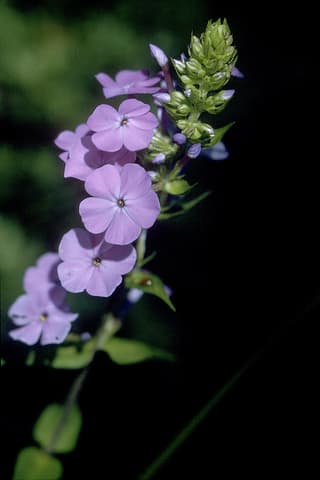
Wild Sweet William
Phlox maculata
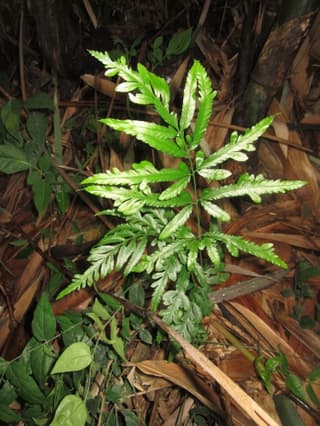
Silver Lace Fern
Pteris ensiformis
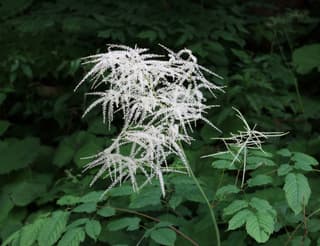
Goat's Beard
Aruncus dioicus
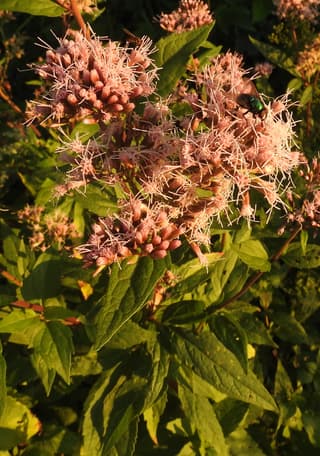
Boneset
Eupatorium
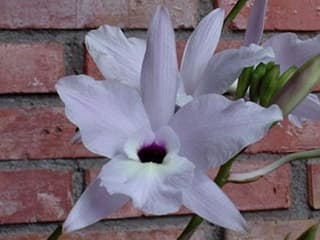
Rosy Tinted Laelia
Laelia rubescens
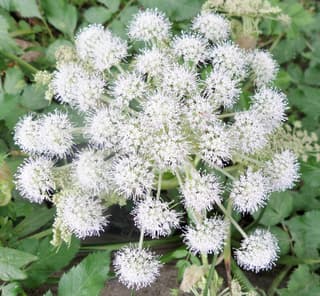
Wild Angelica
Angelica sylvestris
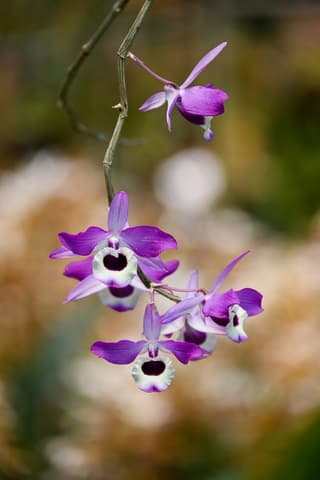
Dendrobium Orchid (genus)
Dendrobium
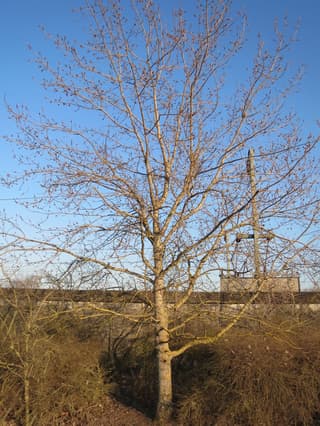
Poplar
Populus
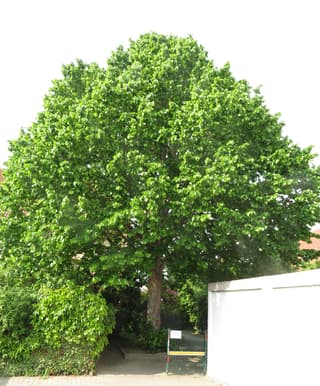
Common Hazel
Corylus avellana
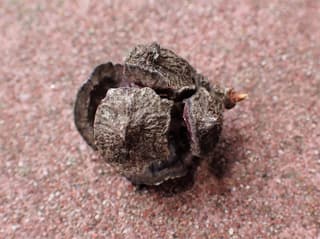
Mexican Cypress
Cupressus lusitanica
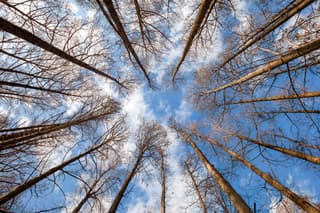
Dawn Redwood
Metasequoia glyptostroboides
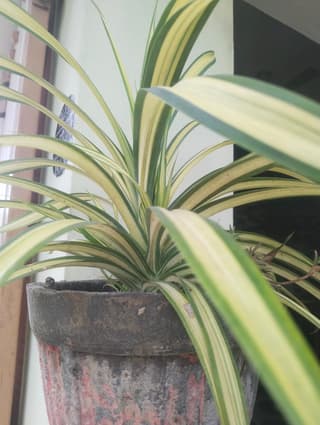
Spider Plant (genus)
Chlorophytum
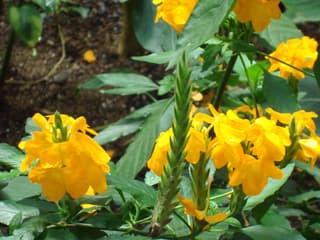
Firecracker Flower
Crossandra infundibuliformis
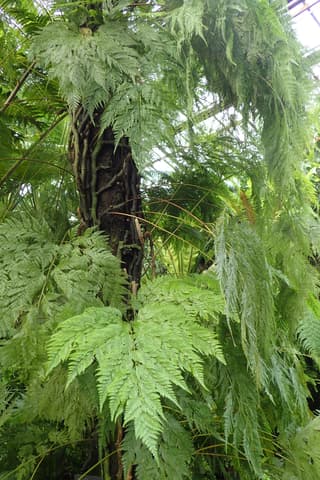
Rabbit's Foot Fern
Davallia fejeensis
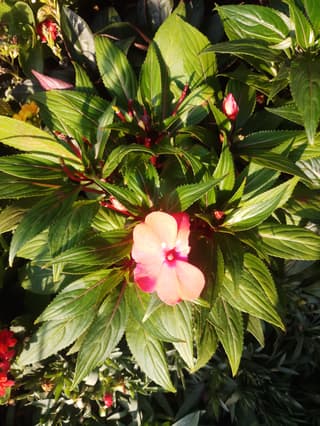
Busy Lizzie
Impatiens walleriana
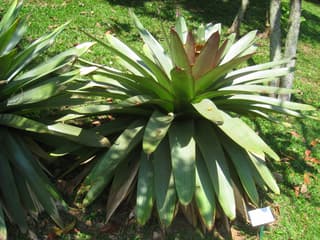
Imperial Bromeliad
Alcantarea imperialis
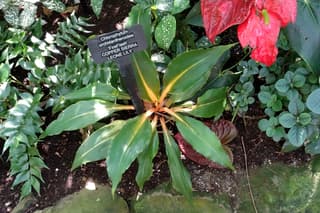
Mandarin Plant
Chlorophytum orchidastrum
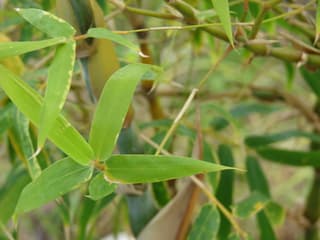
Buddha Belly Bamboo
Bambusa ventricosa
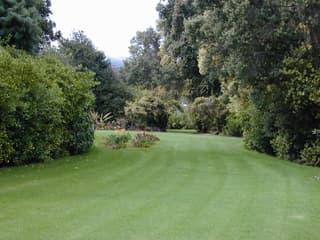
Canna Lily
Canna x generalis
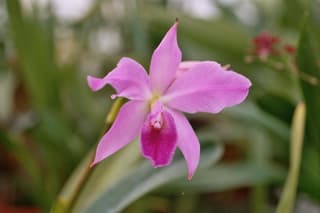
Cattleya Orchid
Cattleya spp
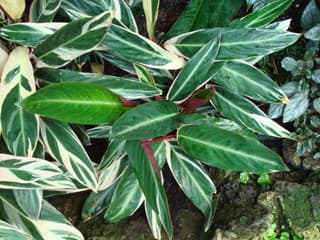
Never Never Plant
Ctenanthe oppenheimiana
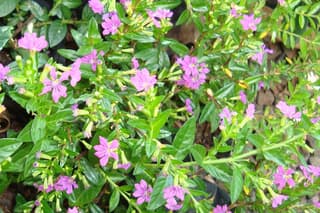
Slender Cuphea
Cuphea gracilis
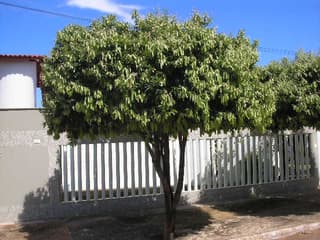
Oiti Tree
Licania tomentosa

Silver Birch
Betula pendula
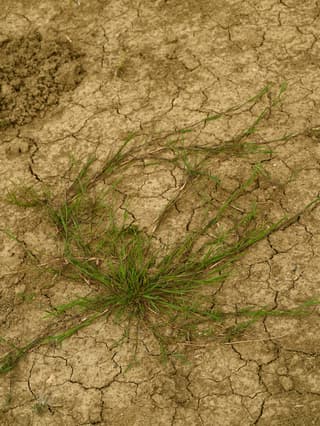
Creeping bentgrass
Agrostis stolonifera
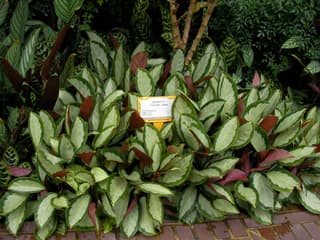
Calathea Picturata
Goeppertia picturata
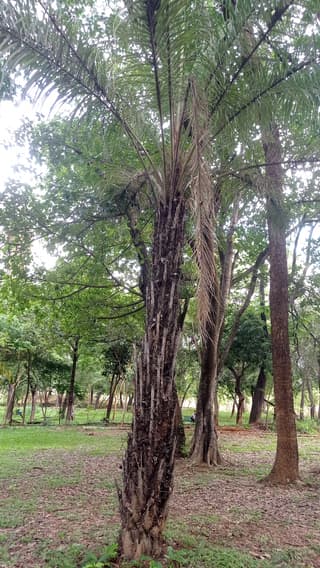
Macaw Palm
Acrocomia aculeata
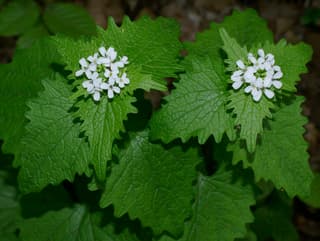
Garlic Mustard
Alliaria petiolata
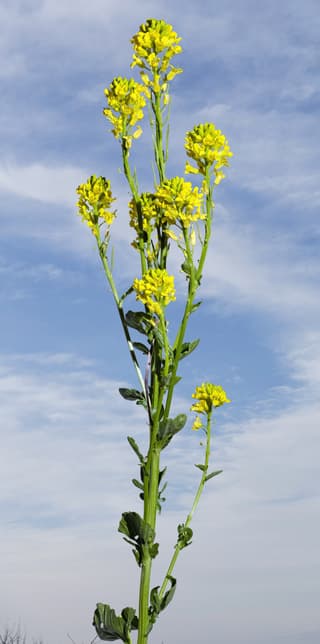
Wintercress
Barbarea vulgaris
Ideal Pet Safe for São Bento do Sul's Climate
São Bento do Sul has an average temperature of 17.3°C and humidity of 85.9%, conditions that directly influence which pet safe best adapt to the local environment.
How to Grow Pet Safe in São Bento do Sul
To successfully grow pet safe in São Bento do Sul, consider that the average temperature of 17.3°C and humidity of 85.9% create a specific microclimate. High humidity favors tropical species, but requires attention to ventilation to prevent fungal issues.
Advantages of Choosing Adapted Pet Safe
Pet Safe adapted to São Bento do Sul's climate show greater resistance, healthy growth, and less need for interventions.