500 Best Easy Care for São Lourenço da Mata | 2026 Guide - Page 10
The 500 best easy care to grow in São Lourenço da Mata. Ideal climate: 25.1°C, 81% humidity.
500 Easy Care for São Lourenço da Mata
Showing 325-360 of 500
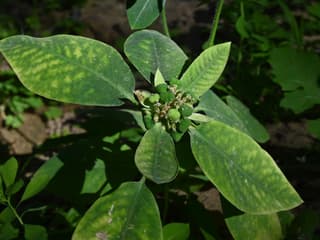
Mexican Fireplant
Euphorbia heterophylla
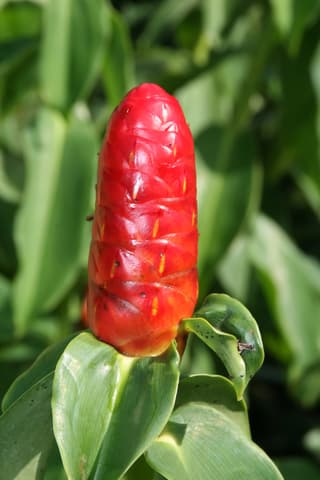
Red Button Ginger
Costus woodsonii
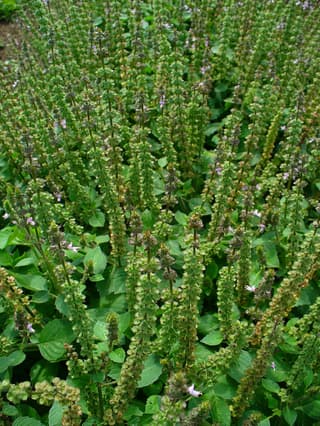
Hoary Basil
Ocimum americanum
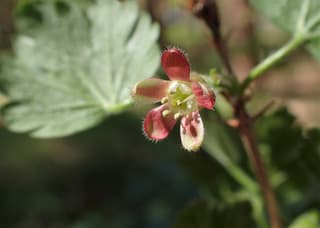
Gooseberry
Ribes uva-crispa
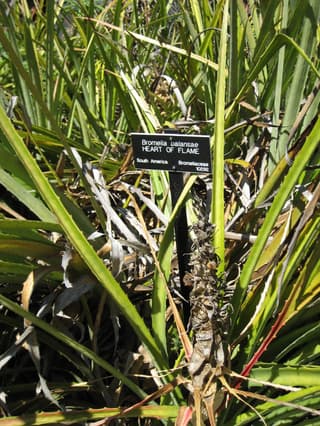
Heart of Flame
Bromelia balansae
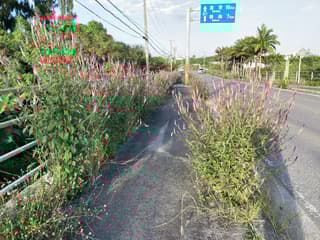
Cockscomb
Celosia argentea
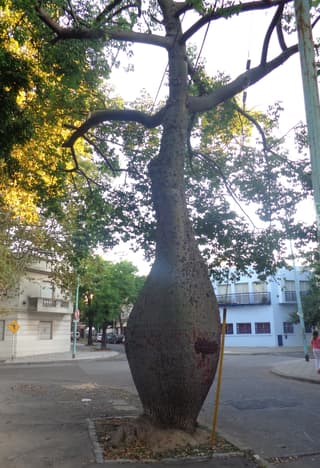
Silk Floss Tree
Ceiba speciosa
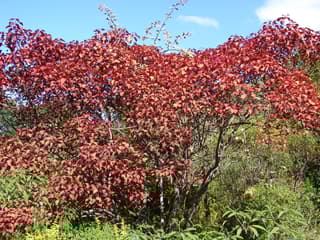
Caribbean Copper Plant
Euphorbia cotinifolia
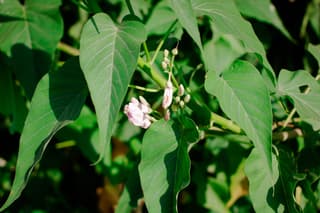
Bush Morning Glory
Ipomoea carnea
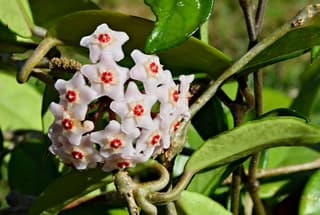
Wax Plant
Hoya
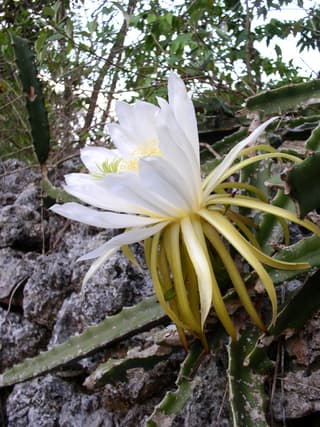
Strawberry Pear
Selenicereus triangularis
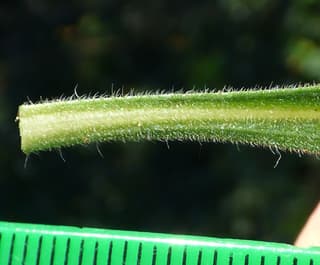
Guernsey Fleabane
Erigeron sumatrensis
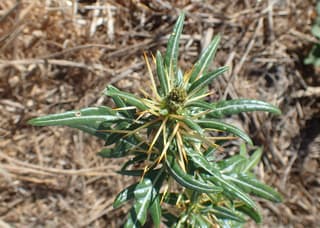
Spiny Cocklebur
Xanthium spinosum
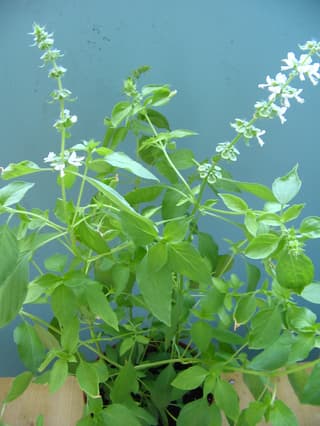
Lemon Basil
Ocimum × citriodorum
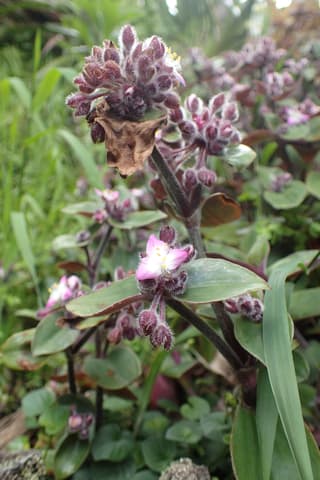
Flowering Inch Plant
Tradescantia cerinthoides
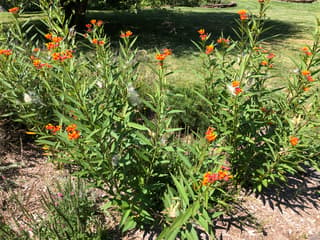
Tropical Milkweed
Asclepias curassavica
Stonebreaker
Phyllanthus amarus
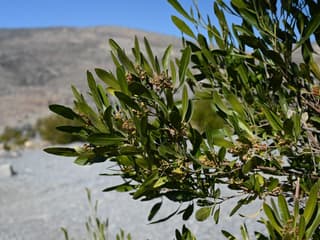
Hop bush
Dodonaea viscosa
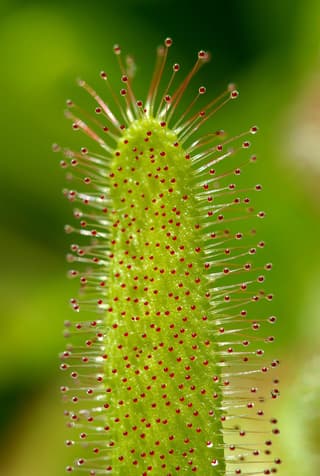
Cape Sundew
Drosera capensis
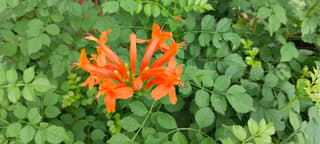
Cape Honeysuckle
Tecoma capensis
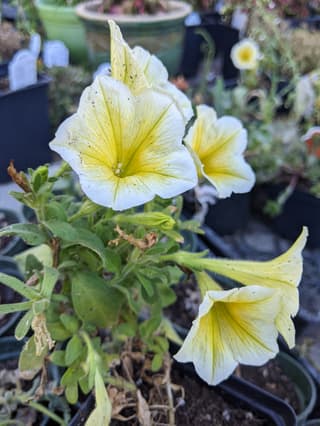
Garden Petunia
Petunia x hybrida
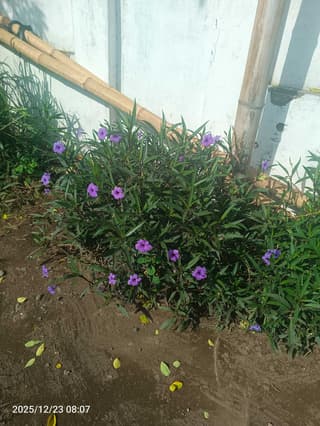
Wild Petunia
Ruellia
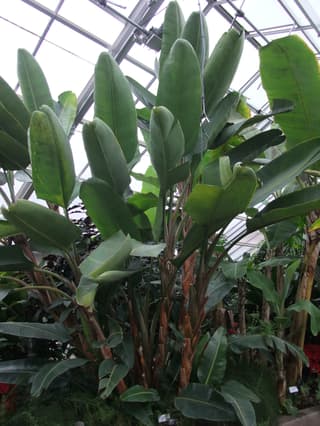
Giant White Bird of Paradise
Strelitzia nicolai
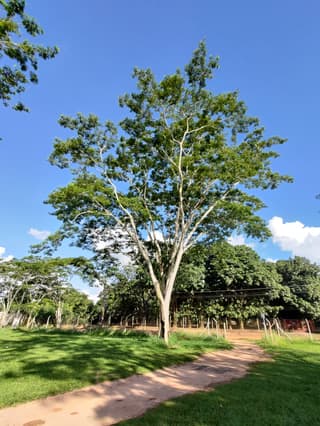
White Silk Tree
Albizia niopoides
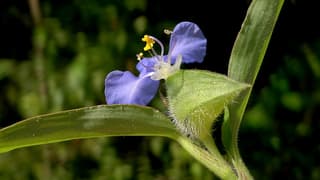
Whitemouth Dayflower
Commelina erecta
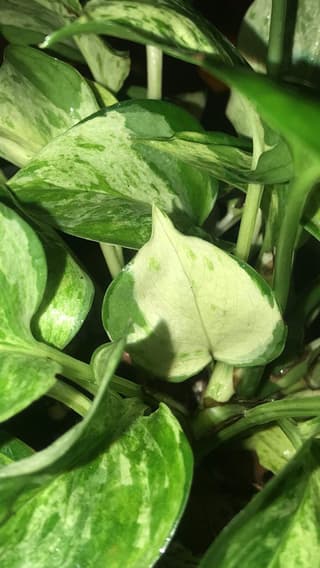
Manjula Pothos
Epipremnum aureum 'Manjula'
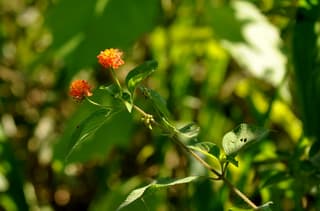
Common Lantana
Lantana camara
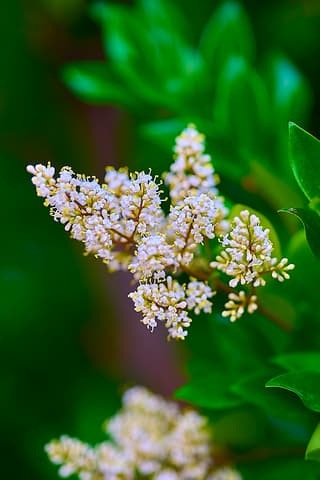
Privet
Ligustrum
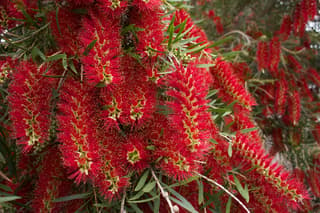
Weeping Bottlebrush
Melaleuca viminalis
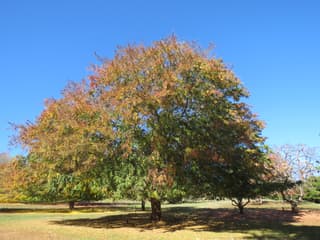
Chinese Elm
Ulmus parvifolia
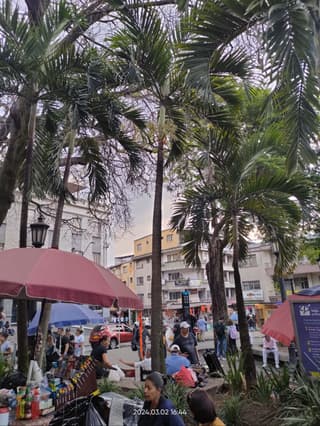
Areca palm
Chrysalidocarpus lutescens
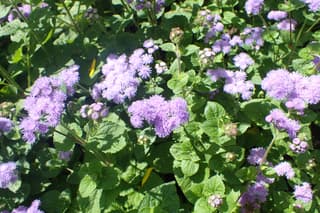
Floss Flower
Ageratum houstonianum
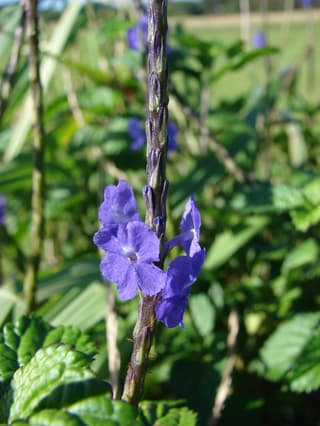
Blue Snakeweed
Stachytarpheta cayennensis
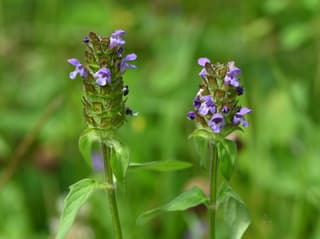
Self-Heal
Prunella vulgaris
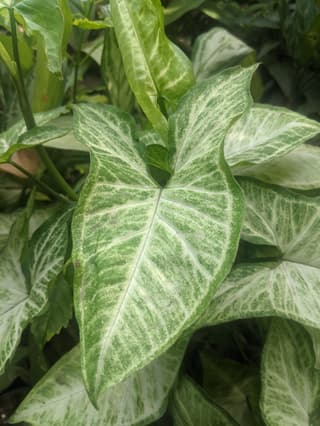
Arrowhead Vines
Syngonium
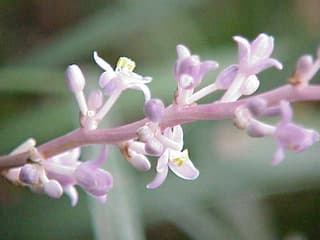
White Lilyturf
Ophiopogon jaburan
Ideal Easy Care for São Lourenço da Mata's Climate
São Lourenço da Mata has an average temperature of 25.1°C and humidity of 81%, conditions that directly influence which easy care best adapt to the local environment.
How to Grow Easy Care in São Lourenço da Mata
To successfully grow easy care in São Lourenço da Mata, consider that the average temperature of 25.1°C and humidity of 81% create a specific microclimate. High humidity favors tropical species, but requires attention to ventilation to prevent fungal issues.
Advantages of Choosing Adapted Easy Care
Easy Care adapted to São Lourenço da Mata's climate show greater resistance, healthy growth, and less need for interventions.