🌿
41 Best Air Purifying for Spoltore | 2026 Guide - Page 2
The 41 best air purifying to grow in Spoltore. Ideal climate: 16.6°C, 73% humidity.
🌡️ 16.6°C
💧 73%
41 Air Purifying for Spoltore
Showing 37-41 of 41
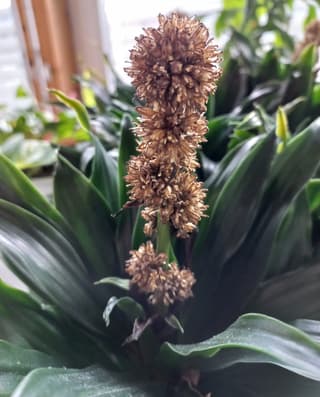
37
★ 70% Compact Corn Plant
Dracaena fragrans 'Compacta'
Easy
💧 12 days
🌡️ 16°C - 27°C
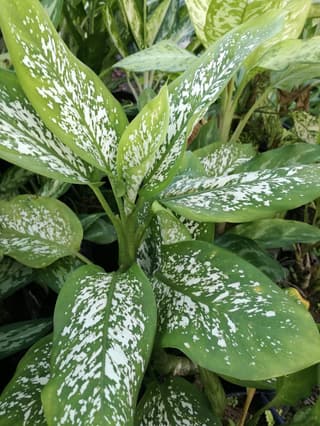
38
★ 68% Spotted Dumb Cane
Dieffenbachia picta
Easy
💧 7 days
🌡️ 18°C - 27°C
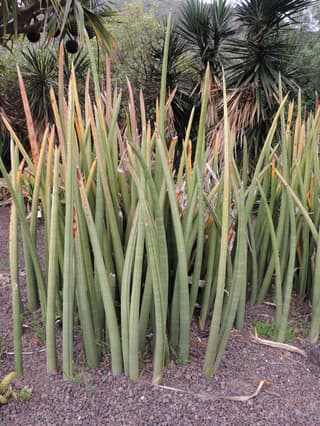
39
★ 65% Elephant Tusk
Sansevieria stuckyi
Easy
💧 21 days
🌡️ 10°C - 29°C
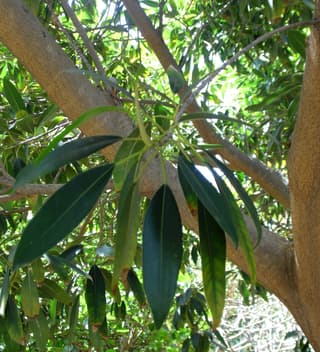
40
★ 65% Alii Fig
Ficus binnendijkii
Medium
💧 9 days
🌡️ 10°C - 29°C
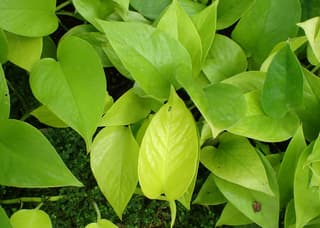
41
★ 58% Neon pothos
Epipremnum aureum 'Neon'
Easy
💧 9 days
🌡️ 18°C - 29°C
Ideal Air Purifying for Spoltore's Climate
Spoltore has an average temperature of 16.6°C and humidity of 73%, conditions that directly influence which air purifying best adapt to the local environment.
How to Grow Air Purifying in Spoltore
To successfully grow air purifying in Spoltore, consider that the average temperature of 16.6°C and humidity of 73% create a specific microclimate. High humidity favors tropical species, but requires attention to ventilation to prevent fungal issues.
Advantages of Choosing Adapted Air Purifying
Air Purifying adapted to Spoltore's climate show greater resistance, healthy growth, and less need for interventions.