309 Best Succulents for Vilalba | 2026 Guide - Page 2
The 309 best succulents to grow in Vilalba. Ideal climate: 12.8°C, 82.4% humidity.
309 Succulents for Vilalba
Showing 37-72 of 309
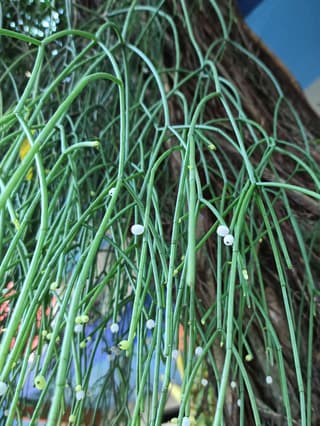
Mistletoe Cactus
Rhipsalis
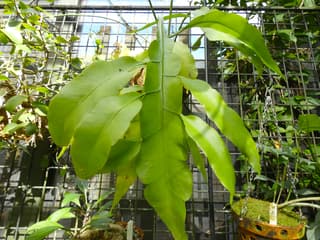
Queen of the Night
Epiphyllum oxypetalum
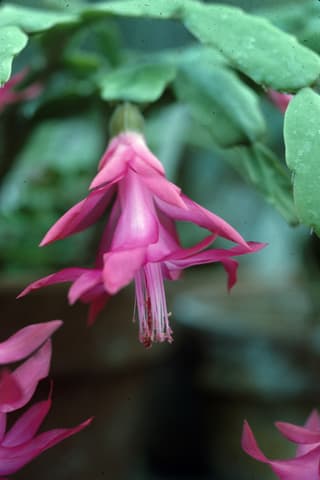
Christmas Cactus
Schlumbergera buckleyi
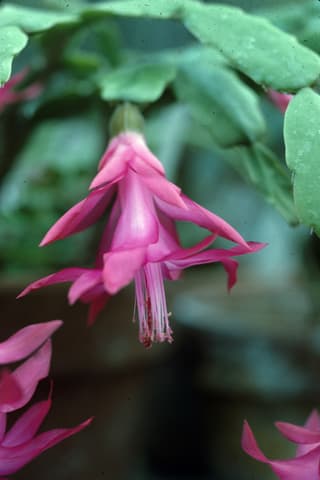
Christmas Cactus
Schlumbergera × buckleyi
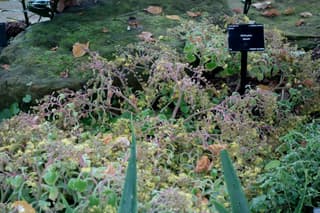
Tree of Love
Aichryson laxum
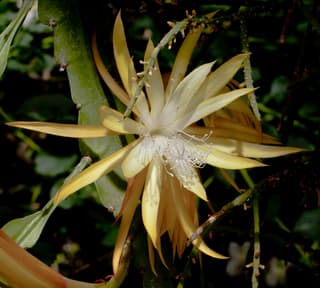
Fishbone cactus
Epiphyllum anguliger
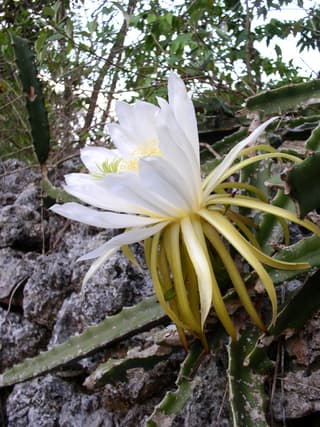
Strawberry Pear
Selenicereus triangularis
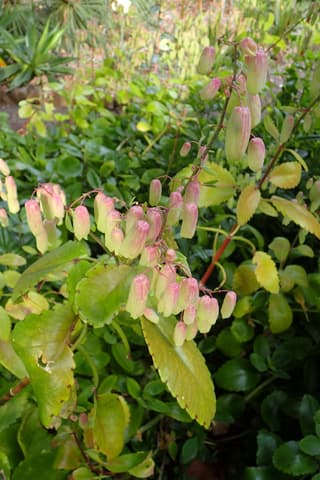
Cathedral Bells
Kalanchoe pinnata
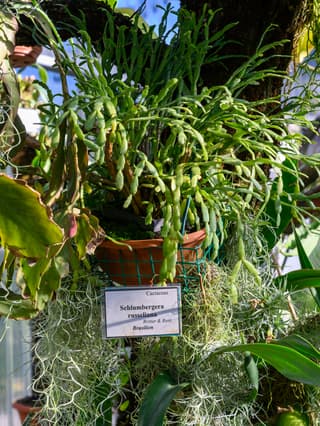
Christmas Cactus
Schlumbergera russelliana
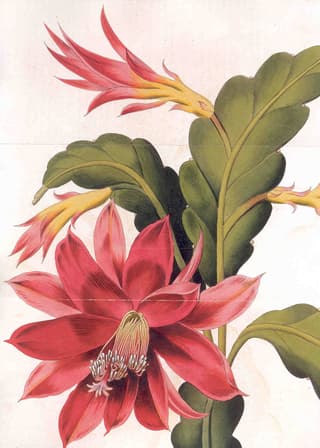
Red Orchid Cactus
Disocactus ackermannii
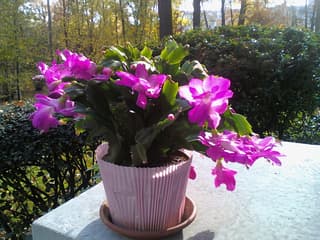
Thanksgiving Cactus
Schlumbergera truncata
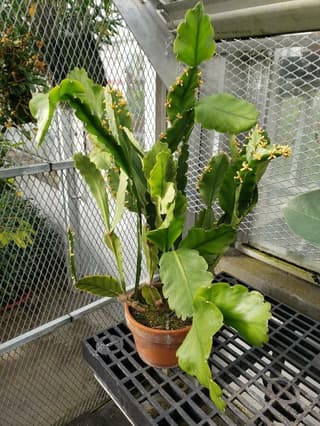
Jungle Cactus
Rhipsalis pachyptera
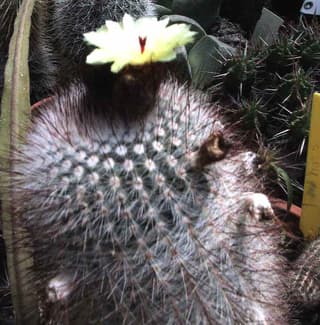
Silver Ball Cactus
Parodia scopa
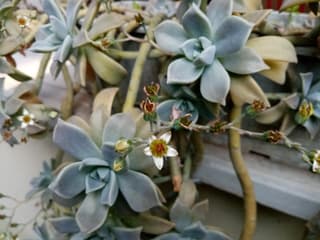
Ghost Plant
Graptopetalum
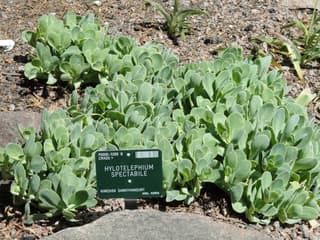
Showy Stonecrop
Sedum spectabile
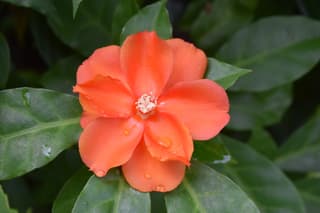
Leaf Cactus
Leuenbergeria
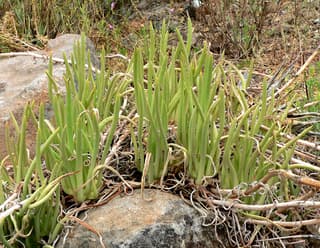
Fingertips
Dudleya edulis
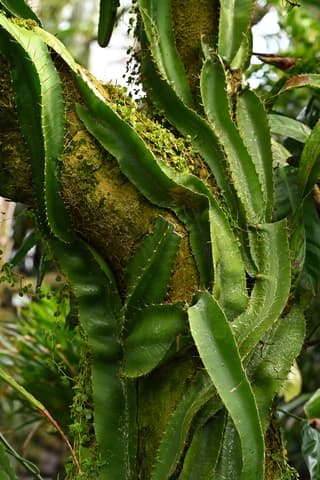
Climbing Cactus
Epiphyllum phyllanthus
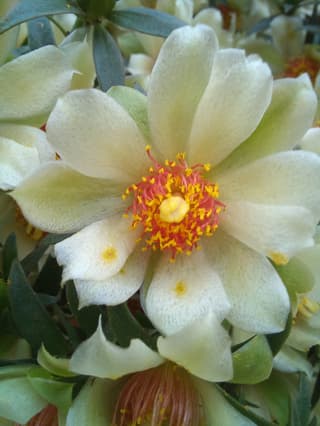
Ora-pro-nobis
Pereskia aculeata
Kamchatka Stonecrop
Phedimus kamtschaticus
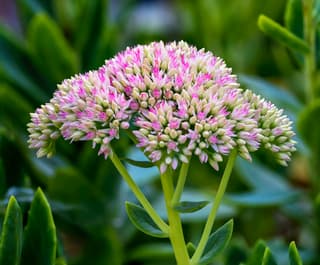
Autumn Joy Sedum
Hylotelephium
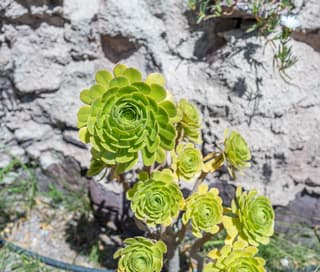
Stalked Aeonium
Aeonium undulatum
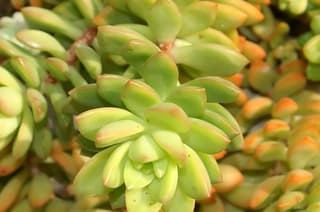
Golden Sedum
Sedum adolphi
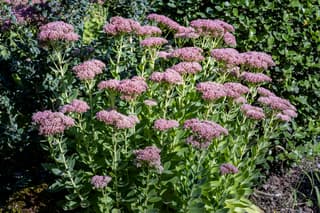
Orpine
Hylotelephium telephium
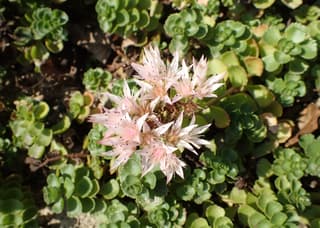
Two-row Stonecrop
Phedimus spurius
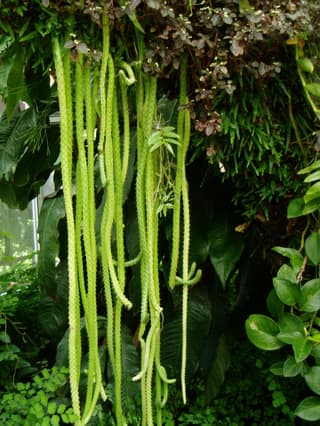
Rat Tail Cactus
Disocactus flagelliformis
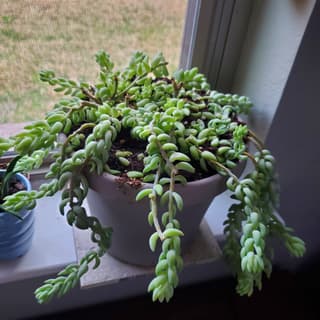
Stonecrop (genus)
Sedum
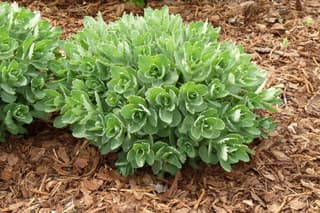
Showy Stonecrop
Hylotelephium spectabile
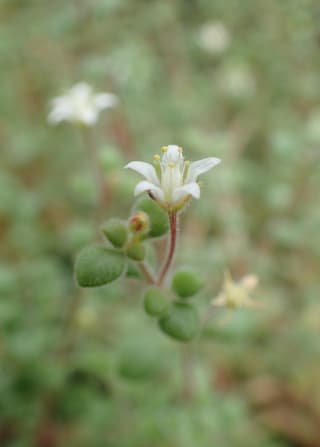
Fragile Crassula
Crassula expansa subsp. fragilis
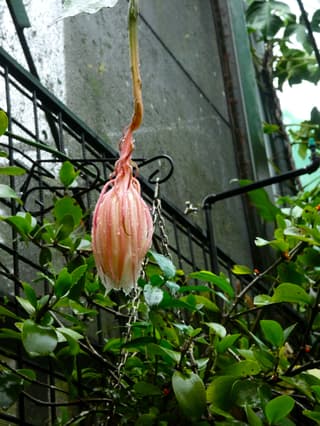
Orchid Cactus
Epiphyllum
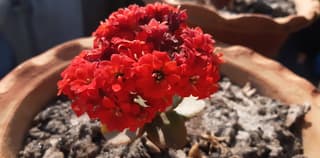
Flaming Katy
Kalanchoe blossfeldiana
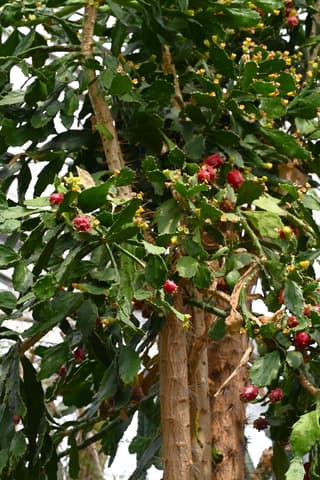
Brazilian Tree Cactus
Brasiliopuntia brasiliensis
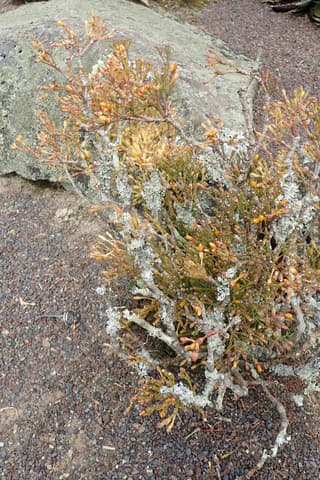
Dancing bones cactus
Hatiora salicornioides
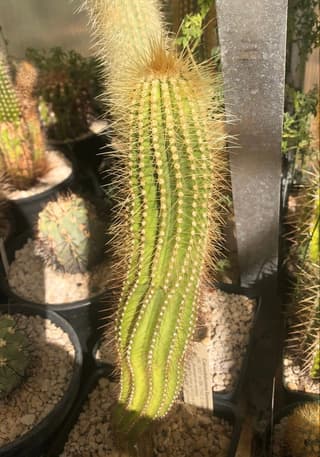
Fluminense Column Cactus
Coleocephalocereus fluminensis
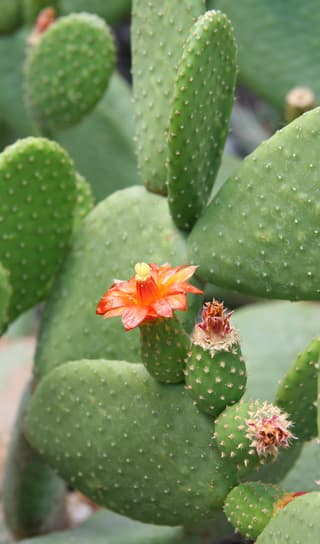
Pink Toad Cactus
Tacinga
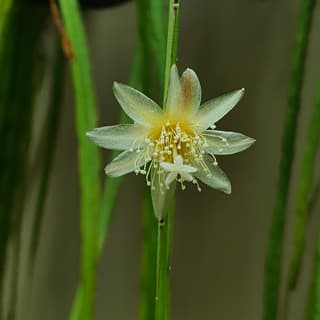
Bolivian Forest Cactus
Pfeiffera boliviana
Ideal Succulents for Vilalba's Climate
Vilalba has an average temperature of 12.8°C and humidity of 82.4%, conditions that directly influence which succulents best adapt to the local environment.
How to Grow Succulents in Vilalba
To successfully grow succulents in Vilalba, consider that the average temperature of 12.8°C and humidity of 82.4% create a specific microclimate. High humidity favors tropical species, but requires attention to ventilation to prevent fungal issues.
Advantages of Choosing Adapted Succulents
Succulents adapted to Vilalba's climate show greater resistance, healthy growth, and less need for interventions.