Rosaceae
Loquat: Edible Plant
Eriobotrya japonica
Loquat is a low-maintenance, fast-growing tree that becomes drought tolerant once established, thriving in full sun to part shade with well-drained soil. It tolerates a wide range of soil types but is sensitive to waterlogging, which can cause root rot, and to hard freezes, which damage its fall-to-winter flowers and developing fruit. Regular deep watering while young, light feeding, and pruning after harvest keep the tree healthy and productive; fire blight and bacterial canker are its main disease risks.
Every 10 days
Bright indirect
-11° - 35°C
% - %
Categories
What is Loquat?
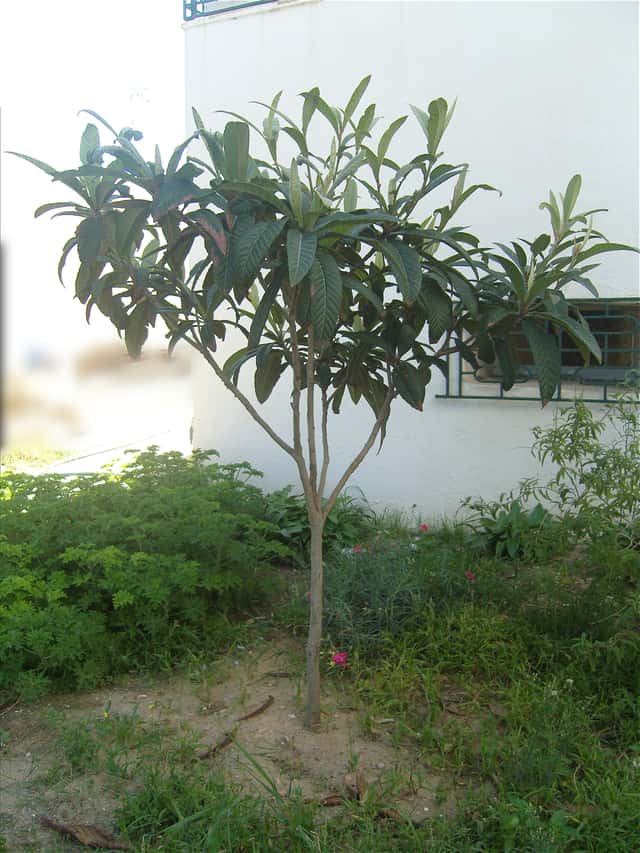
Loquat (Eriobotrya japonica) is a easy-care plant from the Rosaceae family. Eriobotrya japonica, commonly known as the loquat, is a small to medium evergreen fruit tree in the rose family (Rosaceae), native to the cool highlands of south-central China and cultivated for centuries in Japan, where it is called biwa. It forms a dense, rounded canopy of large, leathery, dark gr...
Loquat grows up to 7.5m, spread of 750cm, watering every 10 days, -11°C – 35°C. It is not suitable for indoor environments and not safe for pets.
Unlike many tropical plants, Loquat tolerates watering mistakes. Best for beginners. Without precautions, ingestion can cause irritation in pets. Keep out of reach of cats and dogs.
How to Care for Loquat?
TLDR: Loquat needs Bright indirect, watering every 10 days, and temperatures between -11-35°C with 40-70% humidity.
How Often Should You Water Loquat?
Water deeply and regularly while the tree is young or during dry spells, letting the top few centimeters of soil dry out between waterings. Established trees are fairly drought tolerant, but consistent moisture during flowering and fruit development improves fruit size and quality.
How Much Light Does Loquat Need?
Give loquat full sun for the best flowering and fruit production, though it also grows, flowers, and fruits acceptably in partial shade.
What Is the Best Soil for Loquat?
Plant in well-drained, slightly acidic to neutral soil (roughly pH 5.5-7.5). Loquat tolerates sandy, loamy, or clay soils as long as water does not pool around the roots, since soggy soil quickly leads to root rot.
What Pot Should You Use for Loquat?
Young loquats can be grown for a few years in a large, well-draining terracotta or wooden container (at least 40-50 cm wide) with generous drainage holes, but the tree's vigorous root system and eventual size mean it flowers and fruits best once transplanted into open ground.
What Is Loquat and Where Does It Come From?
Eriobotrya japonica, commonly known as the loquat, is a small to medium evergreen fruit tree in the rose family (Rosaceae), native to the cool highlands of south-central China and cultivated for centuries in Japan, where it is called biwa. It forms a dense, rounded canopy of large, leathery, dark green leaves and produces fragrant white flower clusters in fall and winter, followed by clusters of yellow-orange, pear-shaped fruit that ripen in spring. Loquat is prized both as an ornamental landscape or specimen tree and for its sweet, tangy fruit, which is eaten fresh or made into jams, syrups, and desserts.
How to Propagate Loquat?
Seed germination
Seed-grown trees do not come true to the parent variety and can take 6-8 years to flower and fruit, so seed propagation is mainly used to grow rootstock rather than named cultivars.
- 1 Remove seeds from a fully ripe fruit and rinse off the flesh
- 2 Sow seeds fresh, about 2 cm deep, in well-draining potting mix, since dried seeds lose viability quickly
- 3 Keep the soil consistently moist in a warm, bright spot until seedlings emerge
- 4 Transplant seedlings once they have several true leaves
Materials needed:
Grafting onto seedling rootstock
Grafting is the standard commercial method because it preserves the fruit quality of named cultivars and produces fruiting trees much sooner than seed.
- 1 Grow a seedling rootstock to about pencil thickness
- 2 Take a scion of the desired cultivar with 2-3 dormant buds
- 3 Join scion and rootstock with a whip-and-tongue or cleft graft, matching the cambium layers
- 4 Wrap the graft union with grafting tape and seal exposed cuts to prevent drying
Materials needed:
How Big Does Loquat Grow?
TLDR: Loquat can reach up to 7.5m tall with Fast growth rate.
Max height
7.5m
Spread
7.5m
Growth rate
Fast
Foliage
Evergreen
Warning: Toxic Plant
This plant can be toxic if ingested. Keep out of reach of:
Plant Uses
Edible
Can be consumed
Ornamental
Great for decoration
Medicinal
Medicinal properties
Medicinal Uses
- Dried leaves (Pi Pa Ye) are a long-used ingredient in traditional Chinese medicine for cough, bronchitis, and sore throat
- Loquat leaf syrup is a traditional folk remedy for soothing the throat and respiratory tract
- Triterpenoid compounds extracted from the leaves have been studied for anti-inflammatory and skin-soothing effects
Culinary Uses
- Ripe fruit is eaten fresh as a sweet-tart snack
- Cooked into jams, jellies, and syrups
- Added to fruit salads, pies, and other desserts
- Fermented into loquat wine or liqueur
Is your plant showing symptoms?
Click on the symptom to discover possible causes:
What Diseases Commonly Affect Loquat?
TLDR: Loquat is susceptible to 9 known diseases. Monitor regularly for early detection.
Fire Blight
Fire blight is a highly destructive and contagious bacterial disease caused by Erwinia amylovora. It primarily affects plants in the Rosaceae family, including apple, pear, quince trees, and various ornamental plants. The disease can destroy an entire orchard in a single growing season under ideal conditions, with the bacterium moving approximately 11 inches per week in new growth.
Bacterial Blight
Pseudomonas is a group of bacteria that causes leaf spots, blights, cankers, and soft rots on many garden and houseplants. It thrives in cool, wet, or humid weather and spreads with splashing water, rain, handling, and contaminated tools. Look for small, water‑soaked spots that turn dark brown or black, often with a yellow halo; on tomatoes, these can appear as tiny dark specks on leaves and fruit. On woody plants such as cherry, plum, and lilac, it can cause sunken cankers, oozing, dieback, or blossoms that fail after a cool, wet spring. Succulents and fleshy tissues may develop soft, slimy rot. Commonly affected plants include tomatoes, peppers, beans, brassicas, roses, lilacs, stone fruits, and various houseplants.
Entomosporium leaf spot
A common fungal disease caused by Entomosporium mespili that primarily affects plants in the Rosaceae family like Photinia and Indian Hawthorn. It thrives in cool, wet weather and spreads through splashing water. If left untreated, it can cause total leaf drop and weaken the plant significantly.
Anthracnose
Anthracnose is a fungal disease caused by fungi in the genus Colletotrichum that affects many plants, including vegetables, fruits, and trees. The disease thrives in cool, wet conditions, causing dark, sunken lesions on leaves, stems, flowers, and fruits.
Meaning & Symbolism
In Japan the loquat, known as biwa, is associated with good fortune, longevity, and healing, and is traditionally exchanged as a refined seasonal gift, having been presented to the Imperial Household for generations. In China the fruit's ripening through the cold season made the tree a symbol of endurance and quiet prosperity, and Buddhist texts called it the "King of Medicinal Trees" for its long folk-medicine history.
Compare with similar plants
| Attribute | Difficulty | Light | Watering | Pet Safe |
|---|---|---|---|---|
| Field Maple | Easy | Bright indirect | 14d | ✓ |
| Silver Birch | Easy | Direct sun | 14d | ✓ |
| Common Blanketflower | Easy | Direct sun | 10d | ✓ |
| Cushion Bush | Easy | Direct sun | 14d | ✓ |
Choose & Compare
Sources & References
- Loquat (Eriobotrya japonica) Care, Cultivation & Growing Guide - Clemson HGIC
- Eriobotrya japonica - NC State Extension Gardener Plant Toolbox
- Triterpenoids from Loquat Leaves for Prevention and Treatment of Skin Disorder - PMC
- Three Alternaria Species Causing Leaf Spot Disease of Loquat - Plant Disease (APS)
- Draft Genome Sequences of Pseudomonas syringae pv. eriobotryae, Loquat Canker Pathogen - PMC
- Controlling Entomosporium Leaf Spot on Woody Ornamentals - Alabama Extension





