Polypodiaceae
Java fern: Best for Low Light
Leptochilus pteropus
Very easy plant, tolerant of low light. Attach the rhizome to a stone or driftwood using nylon thread; never bury it. Water temperature between 59 and 82 °F, pH 6.0 to 7.5. Remove blackened leaves to prevent rot.
Every 7-10 days
Low light
15° - 28°C
60% - 100%
Categories
What is Java fern?
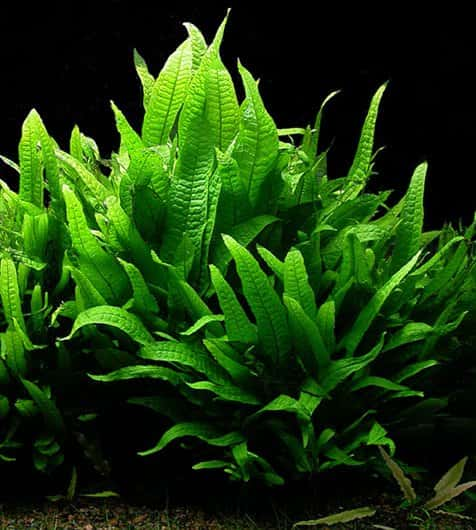
Java fern (Leptochilus pteropus) is a easy-care plant from the Polypodiaceae family. An epiphytic fern native to Southeast Asia, living submerged or semi-submerged on rocks and roots along riverbanks. It grows from a dark green creeping rhizome that bears lanceolate, textured leaves about 8 inches long, reaching a total height of 6 to 12 inches. Extremely hardy, it is one of the eas...
Java fern grows up to 30cm, 15°C – 28°C, 60–100% humidity. It is suitable for indoor environments and safe for pets.
Unlike many tropical plants, Java fern tolerates watering mistakes. Best for beginners. Unlike many popular species, Java fern is safe to keep around pets.
How to Care for Java fern?
TLDR: Java fern needs Low light, watering every 7 days, and temperatures between 15-28°C with 60-100% humidity.
How Often Should You Water Java fern?
Aquatic plant: lives submerged or in very high humidity (60 to 100%). Do not let the rhizome dry out. A gentle current, such as from a filter outlet, is beneficial.
How Much Light Does Java fern Need?
Low light is sufficient. Intense light (over 50 PAR) causes brown or transparent spots and encourages algae growth on the leaves.
What Is the Best Soil for Java fern?
No substrate required: an epiphytic plant that absorbs nutrients through its leaves. Never cover the rhizome or roots, as this may cause them to rot.
What Pot Should You Use for Java fern?
No pot: attach the rhizome to a rock or piece of wood with nylon thread, or use a mesh basket for aquariums or paludariums.
What Is Java fern and Where Does It Come From?
An epiphytic fern native to Southeast Asia, living submerged or semi-submerged on rocks and roots along riverbanks. It grows from a dark green creeping rhizome that bears lanceolate, textured leaves about 8 inches long, reaching a total height of 6 to 12 inches. Extremely hardy, it is one of the easiest aquarium and paludarium plants to cultivate.
How to Propagate Java fern?
Rhizome division
Each piece of rhizome with leaves attached will become a new plant.
- 1 Cut a section of the rhizome that has a few leaves
- 2 Attach it to a rock or driftwood with nylon thread
- 3 Allow the roots to grip the support
- 4 Do not cover the rhizome with substrate
Materials needed:
Leaf plantlets
The black dots under the leaves are normal sporangia, not a disease.
- 1 Identify plantlets forming on older leaves
- 2 Detach them once they have developed a few leaves
- 3 Attach them to a support or let them float until they take root
Materials needed:
How Big Does Java fern Grow?
TLDR: Java fern can reach up to 30cm tall with Slow growth rate.
Max height
30cm
Growth rate
Slow
Foliage
Evergreen
Plant Uses
Ornamental
Great for decoration
Is your plant showing symptoms?
Click on the symptom to discover possible causes:
What Diseases Commonly Affect Java fern?
TLDR: Java fern is susceptible to 1 known diseases. Monitor regularly for early detection.
Meaning & Symbolism
A symbol of resilience and patience: a robust plant that thrives in challenging conditions.
Compare with similar plants
| Attribute | Difficulty | Light | Watering | Pet Safe |
|---|---|---|---|---|
| Field Maple | Easy | Bright indirect | 14d | ✓ |
| Iberian Houseleek | Easy | Direct sun | 14d | ✓ |
| Silver Birch | Easy | Direct sun | 14d | ✓ |
| Common Blanketflower | Easy | Direct sun | 10d | ✓ |





