Simmondsiaceae
Jojoba: Edible Plant
Simmondsia chinensis
Jojoba is a low-maintenance desert plant once established: full sun is mandatory, and very infrequent watering combined with well-draining soil are the three keys to success. It tolerates extreme heat and significant frost once mature, but young plants are sensitive to cold and excess moisture at the root level.
Every 30 days
Direct sun
-9° - 47°C
% - %
Categories
What is Jojoba?
Jojoba (Simmondsia chinensis) is a easy-care plant from the Simmondsiaceae family. Jojoba (Simmondsia chinensis) is a perennial evergreen shrub native to the desert regions of the Southwestern United States and Northwestern Mexico (Sonoran Desert). As the sole member of the Simmondsiaceae family, it forms a dense, rounded bush that can reach 6 to 8 feet in height, featuring thick,...
Jojoba grows up to 2.5m, spread of 200cm, watering every 30 days, -9°C – 47°C. It is not suitable for indoor environments and not safe for pets.
Unlike many tropical plants, Jojoba tolerates watering mistakes. Best for beginners. Without precautions, ingestion can cause irritation in pets. Keep out of reach of cats and dogs.
How to Care for Jojoba?
TLDR: Jojoba needs Direct sun, watering every 30 days, and temperatures between -9-47°C with 40-70% humidity.
How Often Should You Water Jojoba?
Allow the soil to dry out completely between waterings. Once established, the plant typically only needs monthly watering to supplement natural rainfall; excess water causes yellowing and softening of the stems, a sign of root rot, while brittle leaves indicate a lack of water.
How Much Light Does Jojoba Need?
Jojoba requires at least 6 to 8 hours of direct sunlight per day and will not grow in the shade; a lack of light leads to leggy growth and reduced flowering.
What Is the Best Soil for Jojoba?
Prefer sandy or rocky, light, and very well-drained soil; the plant tolerates a wide pH range (from 5.5 to 8, or even more alkaline) as well as saline and nutrient-poor soils, but it cannot handle compact soils that retain moisture.
What Pot Should You Use for Jojoba?
When grown in pots, choose an unglazed terracotta container with large drainage holes and a highly mineral, well-draining substrate (such as a cactus/sand mix) to replicate dry desert conditions and prevent any moisture buildup around the roots.
What Is Jojoba and Where Does It Come From?
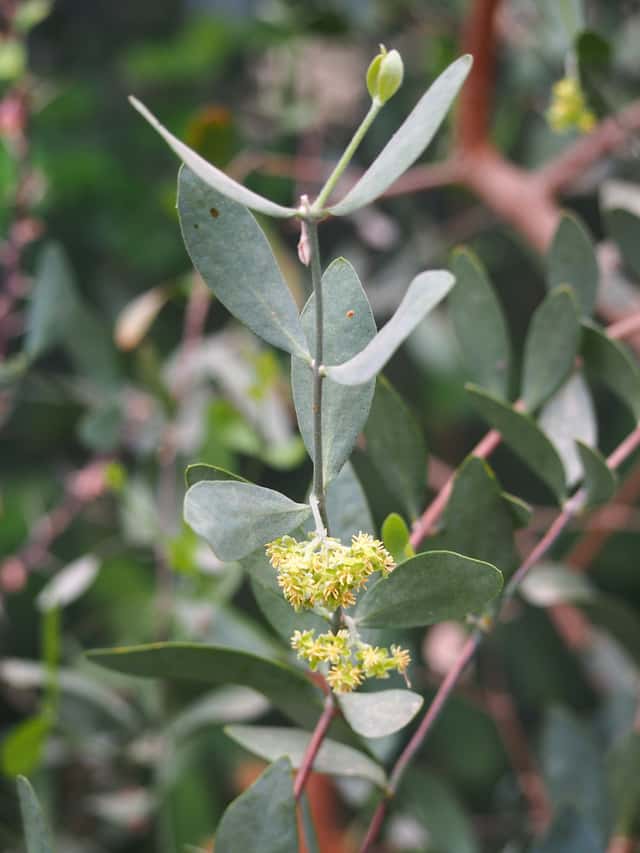
Jojoba (Simmondsia chinensis) is a perennial evergreen shrub native to the desert regions of the Southwestern United States and Northwestern Mexico (Sonoran Desert). As the sole member of the Simmondsiaceae family, it forms a dense, rounded bush that can reach 6 to 8 feet in height, featuring thick, leathery, gray-green leaves designed to minimize water loss. It is a dioecious plant (separate male and female plants) whose seeds produce a unique liquid wax very similar to human sebum, widely used in cosmetics as jojoba oil. Extremely drought-tolerant once established, it can survive on only 10 to 30 inches of annual rainfall and tolerate poor, saline soils.
How Big Does Jojoba Grow?
TLDR: Jojoba can reach up to 2.5m tall with Slow growth rate.
Max height
2.5m
Spread
2.0m
Growth rate
Slow
Foliage
Evergreen
Warning: Toxic Plant
This plant can be toxic if ingested. Keep out of reach of:
Plant Uses
Edible
Can be consumed
Medicinal
Medicinal properties
Ornamental
Great for decoration
Medicinal Uses
- The liquid wax extracted from the seeds is applied topically to the skin to soothe psoriasis, skin irritations, and to promote wound healing
- Traditional Native American use for certain kidney disorders and scalp care
Culinary Uses
- Roasted seeds can be eaten or brewed to create a coffee-like beverage
- Raw seeds are toxic (indigestible waxes and cyanogenic glycosides) and must be cooked before consumption
Is your plant showing symptoms?
Click on the symptom to discover possible causes:
What Diseases Commonly Affect Jojoba?
TLDR: Jojoba is susceptible to 7 known diseases. Monitor regularly for early detection.
Aphids
Aphids are small, soft-bodied, pear-shaped insects (1/16 to 1/8 inch long) that feed by sucking nutrient-rich sap from plants. They reproduce rapidly and can quickly weaken plants, causing distorted growth and transmitting plant viruses. Aphids come in various colors including green, black, red, yellow, brown, and gray. They secrete honeydew, a sticky substance that attracts ants and encourages sooty mold growth.
Scale Insects
Scale insects are small sap-sucking pests that appear as brown, shell-like bumps on plant stems and leaves. There are over 25 species, divided into armored (hard) and unarmored (soft) scales. They feed by piercing plant tissue and extracting sap, which weakens the plant and can lead to yellowing, stunted growth, and even death if left untreated. They also excrete honeydew, which attracts ants and promotes sooty mold growth.
Mealybugs
Mealybugs are small, soft-bodied insects covered with a white, waxy, cottony material. They are common pests of houseplants and outdoor plants in mild climates. These sap-sucking insects feed on plant tissue, causing damage, stunted growth, and can lead to plant death if left untreated. They produce sticky honeydew which attracts sooty mold.
Thrips
Thrips are tiny cigar-shaped insects (1/25-inch long) that damage plants by sucking plant juices and scraping at fruits, flowers, and leaves. With over 6,000 species and rapid reproduction (lifecycle as short as 14 days), they can quickly infest plants and transmit viruses like tomato spotted wilt virus.
Compare with similar plants
| Attribute | Difficulty | Light | Watering | Pet Safe |
|---|---|---|---|---|
| Field Maple | Easy | Bright indirect | 14d | ✓ |
| Silver Birch | Easy | Direct sun | 14d | ✓ |
| Common Blanketflower | Easy | Direct sun | 10d | ✓ |
| Cushion Bush | Easy | Direct sun | 14d | ✓ |





