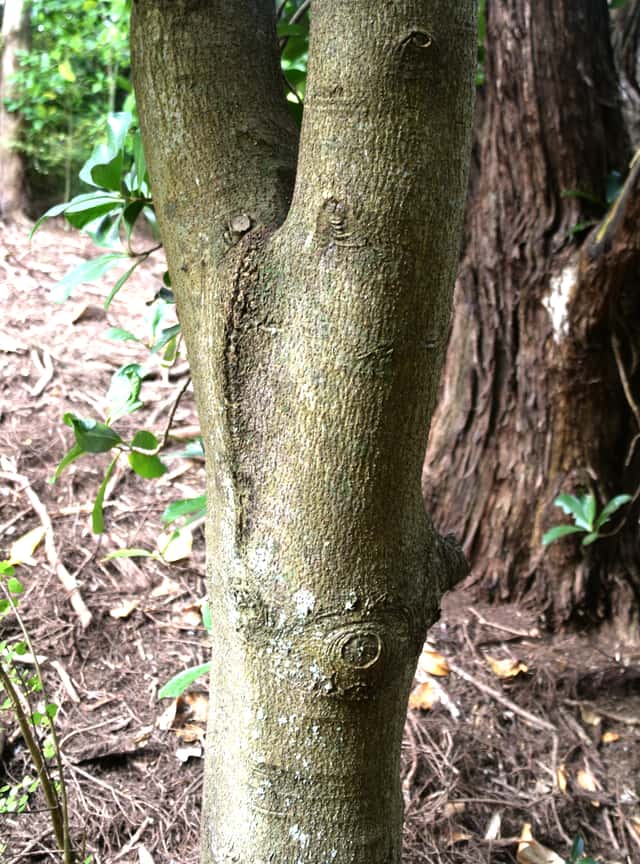
Corynocarpaceae
Karaka – New Zealand's Sacred Laurel Tree
Corynocarpus laevigatus
Karaka is a slow-growing, low-maintenance tree best suited to outdoor planting in frost-free or near-frost-free climates. Give it a sheltered, sunny to partially shaded position in well-drained fertile soil. Water regularly during establishment; mature trees tolerate short dry spells. Fertilise once or twice a year in spring and early summer. All parts — especially the seed kernels — are severely toxic; handle fruit with care and keep away from children and pets.
Every 10 days
Bright indirect
5° - 25°C
50% - 80%
Categories
What is Karaka?
Karaka (Corynocarpus laevigatus) is a medium-care plant from the Corynocarpaceae family. Karaka (Corynocarpus laevigatus) is a stately evergreen tree endemic to New Zealand, prized for its glossy dark-green foliage and orange-yellow drupes. A taonga (treasure) of Māori culture, it was cultivated near settlements as a critical food source — though its seed kernels contain the potent toxi...
Karaka grows up to 15.0m, spread of 600cm, watering every 10 days, 5°C – 25°C, 50–80% humidity. It is not suitable for indoor environments and not safe for pets.
Without precautions, ingestion can cause irritation in pets. Keep out of reach of cats and dogs.
How to Care for Karaka?
TLDR: Karaka needs Bright indirect, watering every 10 days, and temperatures between 5-25°C with 50-80% humidity.
How Often Should You Water Karaka?
Water deeply every 7–14 days during the growing season, allowing the top few centimetres of soil to dry slightly between waterings. Established trees are moderately drought-tolerant but appreciate consistent moisture. Avoid waterlogging — good drainage is essential to prevent root rot.
How Much Light Does Karaka Need?
Karaka thrives in full sun to partial shade. Outdoors, a south- or west-facing sheltered position is ideal. It needs bright light to develop a dense canopy and produce fruit. Avoid deep shade, which results in sparse, leggy growth.
What Is the Best Soil for Karaka?
Plant in fertile, well-drained soil — loam, sandy loam or even chalk-based soils are all acceptable. Karaka tolerates a wide pH range (5.5–7.5). Improve heavy clay with grit and compost to ensure adequate drainage. Mulch around the base to retain moisture and suppress weeds.
What Pot Should You Use for Karaka?
Plant in the ground in a sheltered garden position — a large terracotta or wooden planter works for young specimens, but the tree eventually needs open ground to reach its full size. Ensure any container has large drainage holes.
Care Schedule
Fertilize
Every 90 days
Repot
Every 730 days
What Is Karaka and Where Does It Come From?
Karaka (Corynocarpus laevigatus) is a stately evergreen tree endemic to New Zealand, prized for its glossy dark-green foliage and orange-yellow drupes. A taonga (treasure) of Māori culture, it was cultivated near settlements as a critical food source — though its seed kernels contain the potent toxin karakin and must be carefully detoxified before consumption. In gardens and coastal landscapes it provides year-round structure and dense shade.
How to Propagate Karaka?
Seed propagation
Fresh seed germinates more reliably than stored seed. Do not allow seeds to dry out between collection and sowing. Handle all seed material with gloves due to karakin toxicity.
- 1 Collect ripe orange-yellow fruit from the tree
- 2 Remove the fleshy outer pulp and wash the seed thoroughly — wear gloves as kernels are toxic
- 3 Sow seeds in a greenhouse in a free-draining seed mix
- 4 Keep moist at 18–22°C until germination
- 5 Pot on individually once seedlings have two true leaves
- 6 Harden off before planting out
Materials needed:
Semi-ripe cutting
Bottom heat significantly improves rooting success. Cuttings are slow to root; patience is essential.
- 1 Take 10–15 cm semi-ripe cuttings in mid to late summer
- 2 Remove lower leaves and dip the base in rooting hormone
- 3 Insert into a free-draining propagation mix
- 4 Place in a heated propagator or mist unit at 20–24°C
- 5 Keep humidity high until roots form
- 6 Pot on and grow on under protection through the first winter
Materials needed:
How Big Does Karaka Grow?
TLDR: Karaka can reach up to 15.0m tall with Slow growth rate.
Max height
15.0m
Spread
6.0m
Growth rate
Slow
Foliage
Evergreen
Warning: Toxic Plant
This plant can be toxic if ingested. Keep out of reach of:
Plant Uses
Ornamental
Great for decoration
Edible
Can be consumed
Culinary Uses
- The fleshy outer flesh of the fruit is edible and mildly sweet. The inner seed kernel contains karakin (a toxic glucoside) and was traditionally detoxified by Māori through prolonged steaming in hāngī (earth ovens) followed by washing and drying over several days before consumption.
Is your plant showing symptoms?
Click on the symptom to discover possible causes:
What Diseases Commonly Affect Karaka?
TLDR: Karaka is susceptible to 6 known diseases. Monitor regularly for early detection.
Root Rot
Root rot is a serious fungal disease that affects the root system of plants, causing them to decay and die. It is primarily caused by overwatering, poor drainage, or soil-borne fungi such as Pythium, Phytophthora, Rhizoctonia, and Fusarium. The disease thrives in waterlogged conditions where roots are deprived of oxygen, making them susceptible to fungal infection.
Overwatering
Overwatering occurs when plants receive too much water, depriving roots of oxygen and causing root rot. This environmental stress is one of the most common causes of houseplant death, as waterlogged soil prevents roots from breathing and functioning properly.
Leaf Spot
Leaf spot is a common fungal disease caused by various pathogens including Alternaria, Ascochyta, Colletotrichum, Septoria, and Venturia. It primarily affects leaves, causing discolored spots that can lead to premature leaf drop if left untreated.
Mosaic Virus
Mosaic virus is a group of plant viruses that cause mottled, patchy patterns on leaves and can affect a wide variety of plants. The virus creates characteristic yellow, white, and green mosaic patterns, often accompanied by stunted growth and deformed plant parts. This highly contagious disease spreads rapidly through insect vectors and contaminated tools.
Meaning & Symbolism
The karaka is a taonga (treasure) in Māori tradition, symbolising sustenance, resilience, and the enduring bond between people and land. Trees were deliberately planted around pā (villages) and along migration routes as a living food store for generations to come.
Fun Facts
Karaka seed kernels contain karakin, a glucoside of 3-nitropropionic acid — one of the most potent plant toxins found in New Zealand flora.
Māori deliberately transported and planted karaka trees throughout New Zealand, making it one of the most widespread culturally managed trees in the country.
The orange fruit is an important food source for the kererū (New Zealand wood pigeon), which is one of the few birds large enough to swallow the whole drupe and disperse the seeds.
Karaka trees can live for 500–600 years, making some living specimens contemporaries of early Polynesian settlement of New Zealand.
Frequently asked questions
Is karaka toxic to dogs and cats?
How fast does karaka grow?
Can I grow karaka in a pot?
When does karaka fruit ripen?
How do I prevent root rot in karaka?
Compare with similar plants
| Attribute | Difficulty | Light | Watering | Pet Safe |
|---|---|---|---|---|
| Dark Fieldcap | Medium | Low light | 2d | ⚠️ |
| Azalea | Medium | Partial shade | 3d | ⚠️ |
| Muriel's Bamboo | Medium | Partial shade | 3d | ✓ |
| Bougainvillea | Medium | Direct sun | 7d | ⚠️ |




