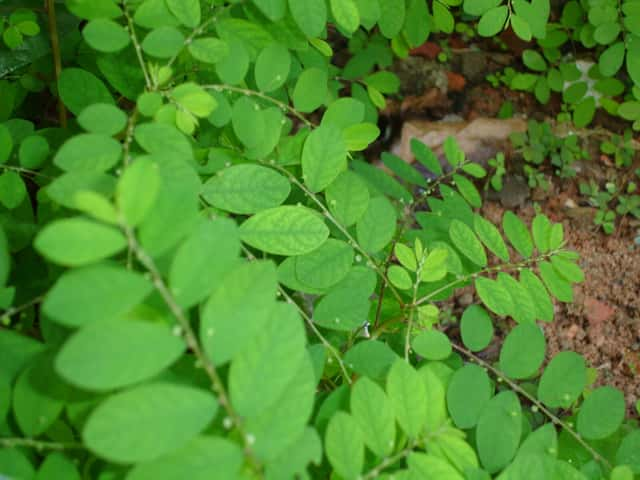
Phyllanthaceae
Leafflower (Genus Phyllanthus)
Phyllanthus
Warm-climate plants: sun, light, fertile, well-drained soil and frequent watering without waterlogging. Stonebreaker grows fast and is easy to raise from seed.
Every 4 days
Bright indirect
° - °C
% - %
Categories
What is Leafflower?
Leafflower (Phyllanthus) is a easy-care plant from the Phyllanthaceae family. Phyllanthus, the leafflowers, is a huge genus of about 800 species found in every tropical and subtropical region. The best known is stonebreaker or chanca piedra (P. niruri, P. amarus), a 40-80 cm herb that pops up in yards and pavement cracks, with tiny leaves in two neat rows and minute greenish...
Leafflower grows up to 9.0m, watering every 4 days. It is not suitable for indoor environments and safe for pets.
Unlike many tropical plants, Leafflower tolerates watering mistakes. Best for beginners. Unlike many popular species, Leafflower is safe to keep around pets.
How to Care for Leafflower?
TLDR: Leafflower needs Bright indirect, watering every 4 days, and temperatures between 15-30°C with 40-70% humidity.
How Often Should You Water Leafflower?
Water every 3-5 days in warm weather, keeping the soil lightly moist. Soggy soil rots the roots.
How Much Light Does Leafflower Need?
Direct sun for at least a few hours a day. No frost tolerance.
What Is the Best Soil for Leafflower?
Light, fertile, well-drained soil rich in organic matter, pH 5.5 to 6.5. Worm castings or compost help.
What Pot Should You Use for Leafflower?
A medium pot with drainage holes for the herbs; trees belong in the ground.
What Is Leafflower and Where Does It Come From?
Phyllanthus, the leafflowers, is a huge genus of about 800 species found in every tropical and subtropical region. The best known is stonebreaker or chanca piedra (P. niruri, P. amarus), a 40-80 cm herb that pops up in yards and pavement cracks, with tiny leaves in two neat rows and minute greenish flowers hanging under the stems. The genus also includes shrubs and trees with sour fruit, such as Indian gooseberry or amla (P. emblica) and Otaheite gooseberry (P. acidus), plus a floating aquarium plant and a few succulents.
How to Propagate Leafflower?
Seed
Stonebreaker self-seeds freely; often you only need to move the seedlings that appear.
- 1 Scatter the seeds on moist mix
- 2 Cover with a very thin layer of soil
- 3 Keep moist in a warm, bright spot
- 4 Transplant seedlings at 5 cm
Materials needed:
Cutting (woody species)
Use this for shrubs and trees such as Otaheite gooseberry.
- 1 Cut a 15 cm young shoot
- 2 Remove the lower leaves
- 3 Insert in moist mix and keep in light shade
- 4 Pot on once rooted
Materials needed:
How Big Does Leafflower Grow?
TLDR: Leafflower can reach up to 9.0m tall with Fast growth rate.
Max height
9.0m
Growth rate
Fast
Warning: Toxic Plant
This plant can be toxic if ingested. Keep out of reach of:
Plant Uses
Ornamental
Great for decoration
Edible
Can be consumed
Medicinal
Medicinal properties
Medicinal Uses
- Stonebreaker tea is used as a diuretic and to help prevent kidney stones; it does not dissolve existing stones.
- Amla fruit is used in Ayurvedic medicine.
Culinary Uses
- Otaheite gooseberry is made into preserves, jelly, relish and juice.
- Amla is eaten pickled and candied in India.
Is your plant showing symptoms?
Click on the symptom to discover possible causes:
What Diseases Commonly Affect Leafflower?
TLDR: Leafflower is susceptible to 5 known diseases. Monitor regularly for early detection.
Caterpillars
Caterpillars are the larval stage of moths and butterflies that feed voraciously on plant foliage, stems, flowers, and fruits. Common species include cabbage loopers, tomato hornworms, armyworms, and cutworms. These pests can cause extensive damage by consuming large amounts of plant tissue in a short time. They vary in size from small (1/4 inch) to large (5 inches), with colors ranging from green to brown, often featuring stripes or spots. Caterpillars are highly mobile and can quickly spread throughout gardens, making them one of the most destructive common pests.
Aphids
Aphids are small, soft-bodied, pear-shaped insects (1/16 to 1/8 inch long) that feed by sucking nutrient-rich sap from plants. They reproduce rapidly and can quickly weaken plants, causing distorted growth and transmitting plant viruses. Aphids come in various colors including green, black, red, yellow, brown, and gray. They secrete honeydew, a sticky substance that attracts ants and encourages sooty mold growth.
Spider Mites
Spider mites are tiny arachnids (less than 1/20 inch long) related to spiders and ticks that feed on plant sap. They thrive in hot, dry conditions and can cause significant damage to ornamental and vegetable plants. During severe infestations, crop losses can reach 14% or higher as these pests disrupt vital plant processes including photosynthesis, carbon dioxide absorption, and transpiration.
Mealybugs
Mealybugs are small, soft-bodied insects covered with a white, waxy, cottony material. They are common pests of houseplants and outdoor plants in mild climates. These sap-sucking insects feed on plant tissue, causing damage, stunted growth, and can lead to plant death if left untreated. They produce sticky honeydew which attracts sooty mold.
Fun Facts
In Brazil, seven different species are sold under the name quebra-pedra.
Some species rely on tiny leafflower moths that pollinate the flowers while their larvae eat some of the seeds.
The genus has one of the widest ranges of pollen types of any seed plant genus.
Frequently asked questions
Does stonebreaker really break kidney stones?
How do I grow stonebreaker at home?
Is Phyllanthus toxic?
Can it take cold?
Compare with similar plants
| Attribute | Difficulty | Light | Watering | Pet Safe |
|---|---|---|---|---|
| Field Maple | Easy | Bright indirect | 14d | ✓ |
| Iberian Houseleek | Easy | Direct sun | 14d | ✓ |
| Silver Birch | Easy | Direct sun | 14d | ✓ |
| Common Blanketflower | Easy | Direct sun | 10d | ✓ |





